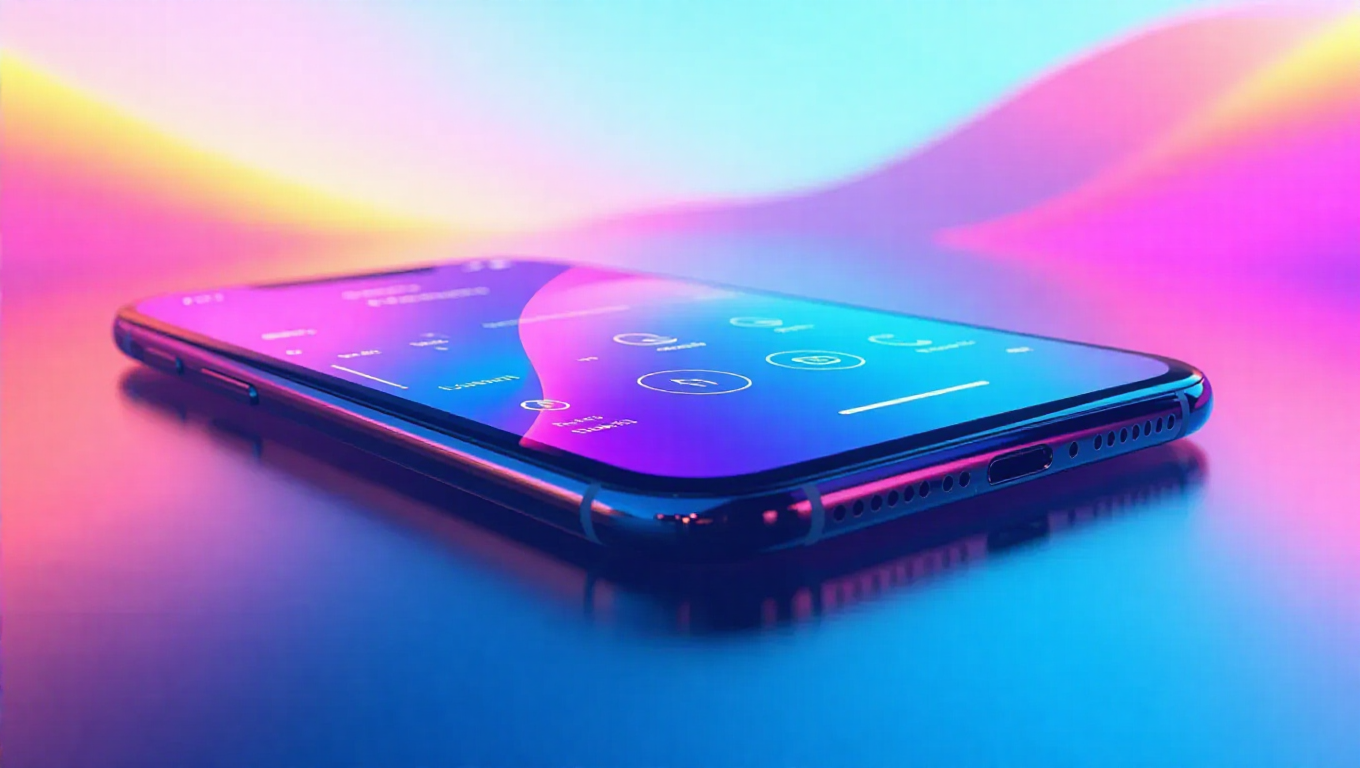
One UI 9 Could Bring Glassy Visual Effects to Galaxy Phones and Tablets
Samsung's software interface is poised for another visual evolution with the anticipated release of One UI 9. Based on Android 17, the next major update is rumored to introduce a "glassy" aesthetic to Galaxy smartphones and tablets, marking a continued shift towards more modern and layered design principles.
A Translucent Design Language
The core of the rumored changes centers on the implementation of translucent, glass-like visual effects for various system elements. This design approach utilizes background blur, allowing the device's wallpaper to remain subtly visible behind UI components like the Quick Settings panel, volume sliders, power menu, and notifications. This creates a sense of depth and layering on the screen.
These new UI elements are also expected to integrate seamlessly with Samsung's Color Palette system (based on Android's Dynamic Color), which automatically applies color tones derived from the user's wallpaper. The result is a cohesive and personalized visual experience where translucent panels adapt their tint to match the overall theme.
Beyond Aesthetics: Functional Updates
While the visual overhaul is significant, One UI 9 may also deliver practical improvements. Screen recording functionality could see notable enhancements. Reports suggest users might gain the ability to draw annotations directly over a live recording, display touch indicators for tutorials, and have finer control over audio sources—choosing to record device audio, microphone input, or both. A pill-shaped timer in the status bar would provide clear feedback during recording sessions.
Another highly requested feature potentially on the horizon is a native app lock. If Google integrates a simple app lock into the core Android 17 system, Samsung is expected to adopt and refine it for the Galaxy ecosystem within One UI 9, offering users a built-in method to secure sensitive applications.
Timeline and Expectations
The development of these features aligns with the expected timeline for Android 17. The first developer beta is anticipated in the coming months, with a stable public release projected for mid-2026. Samsung typically follows Google's release schedule, deploying its One UI skin to flagship and recent Galaxy devices several months after the core Android update is finalized.
This move towards a glass-inspired design represents a distinct path from other major mobile operating systems, focusing on transparency and blur effects to achieve a modern look. It continues the visual refinement begun in recent One UI iterations, potentially making Galaxy devices feel more visually dynamic and integrated.