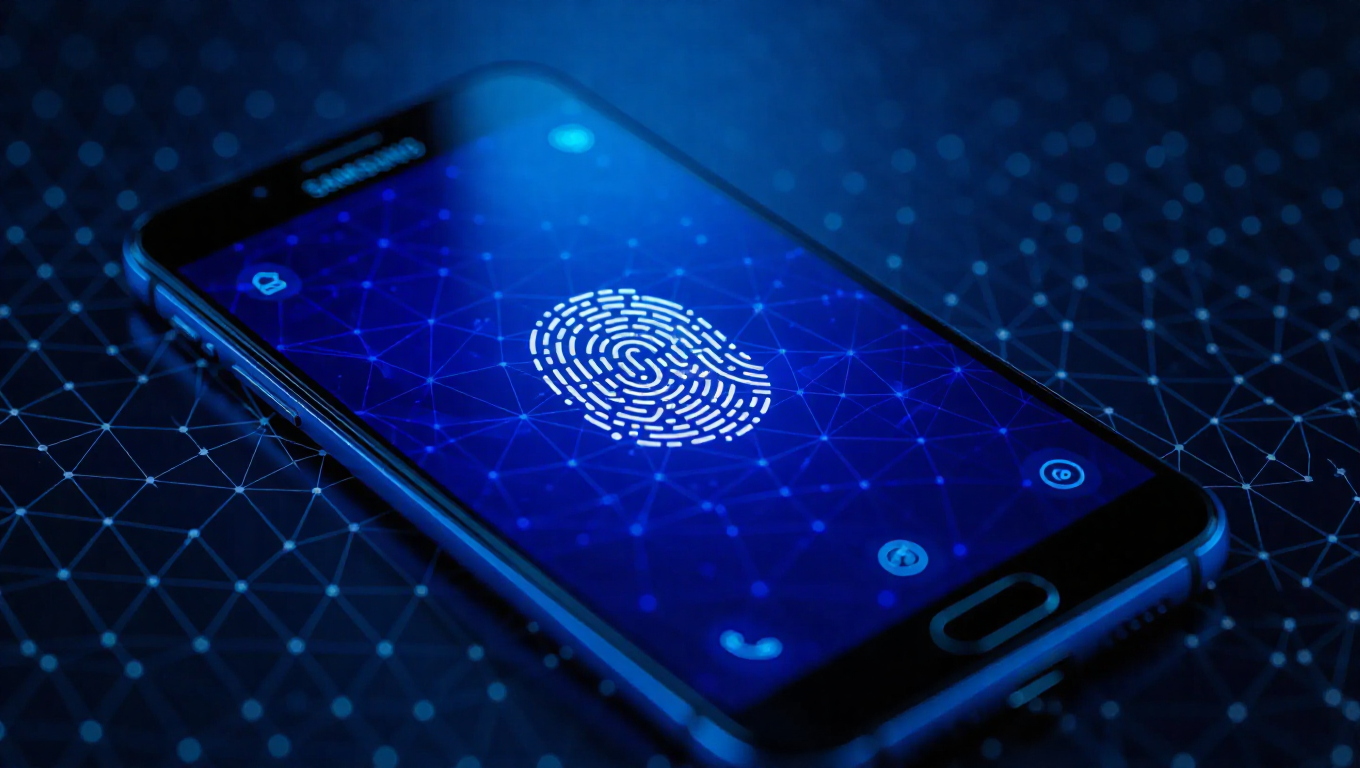
One UI 9 May Introduce App Lock Feature to Galaxy Phones
Samsung's One UI software has long been praised for its extensive customization options and feature-rich environment, but one notable absence has been a native app locking mechanism. This could change with the anticipated One UI 9 update, which may bring this privacy-focused feature to Galaxy smartphones and tablets later this year.
Android 17 Foundation Enables App Lock
The potential implementation stems from developments in Android's core operating system. Recent Android Canary builds have revealed a notification privacy feature where hidden apps display generic information like "New message" or "New notification" rather than revealing actual content. While Google hasn't officially announced this functionality, it appears to be in development and could debut with Android 17 in the coming months.
Samsung has increasingly relied on Google's core Android improvements to power key One UI features. The company previously transitioned its DeX desktop mode from a custom implementation to Android 16's native Desktop Mode feature. This pattern suggests Samsung would leverage Android 17's app locking capabilities rather than developing a proprietary solution.
Long-Awaited Privacy Enhancement
App locking has been a frequently requested feature among Samsung users for several years. While third-party applications have offered similar functionality, a native implementation integrated directly into the operating system would provide better security, smoother performance, and deeper system integration. The feature would allow users to protect sensitive applications with additional authentication, preventing unauthorized access to messaging apps, banking applications, social media accounts, and other private data.
The notification privacy aspect is particularly significant. When apps are locked, notifications would display only generic information, preventing sensitive content from appearing on lock screens or notification panels. This dual-layer protection—blocking both app access and notification content—would represent a substantial privacy improvement for Galaxy device users.
Implementation Timeline and Expectations
If Google introduces app locking with Android 17 as expected, Samsung would likely incorporate this functionality into One UI 9. The update would presumably roll out to recent Galaxy flagships and mid-range devices, though specific device eligibility would be confirmed closer to release. The integration would mark another example of Samsung's strategy of building upon Google's Android innovations while adding its distinctive One UI polish and additional features.
While details remain unconfirmed, the combination of Android's development direction and Samsung's recent software approach makes app locking in One UI 9 a plausible and welcome addition. The feature would address a longstanding user request while aligning with broader industry trends toward enhanced mobile privacy controls.
Conclusion
The potential arrival of app locking in One UI 9 represents a meaningful step forward for Galaxy device privacy. By building upon Android 17's expected capabilities, Samsung could deliver a secure, integrated solution that protects both application access and notification content. As mobile devices increasingly contain sensitive personal and professional information, such privacy enhancements become essential rather than optional. While official confirmation awaits, the technical foundations and user demand suggest app locking may finally arrive on Galaxy phones this year through the One UI 9 update.