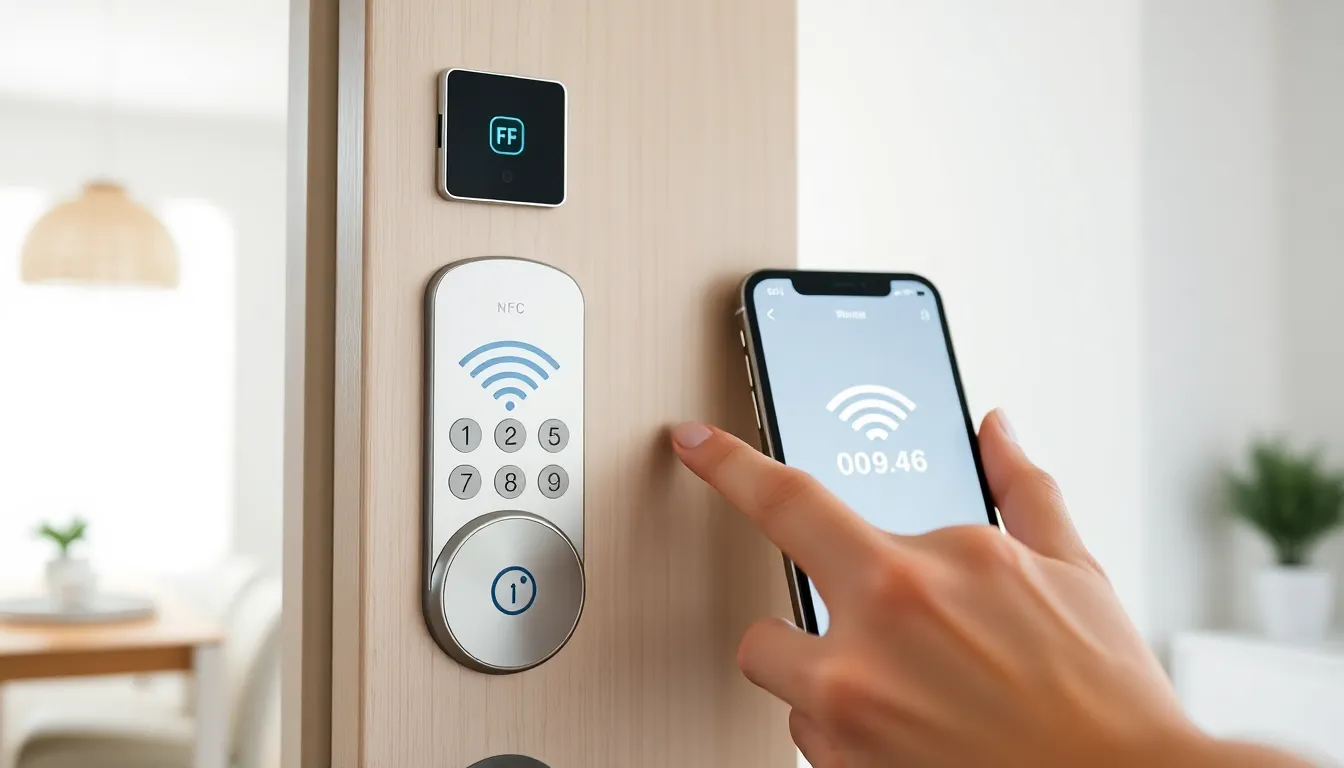
Nuki Keypad 2 NFC Enables Tap-to-Unlock, Samsung Leads Google in Support
The smart home landscape is evolving rapidly, with new standards paving the way for more seamless interactions. Following the release of the Aliro 1.0 standard by the Connectivity Standards Alliance (CSA), manufacturers are now introducing products that leverage this protocol to simplify everyday tasks. One such innovation is tap-to-unlock functionality for smart locks, which promises to make accessing homes as easy as tapping a smartphone or compatible device.
Nuki's Keypad 2 NFC Brings Aliro to Existing Locks
Nuki has unveiled the Keypad 2 NFC, a device designed to add tap-to-unlock capabilities to its existing Matter-compatible smart locks. This keypad integrates NFC technology, allowing users to unlock their doors by simply tapping an authorized smartphone or wearable against it. The product aims to enhance convenience without requiring a full lock replacement, potentially appealing to users who already own Nuki smart locks and want to upgrade their access methods.
The Keypad 2 NFC leverages the Aliro 1.0 standard, which was developed to create a unified approach for secure, tap-based access control. This standard is expected to reduce fragmentation in the smart lock market, enabling interoperability between different manufacturers' devices and user credentials. By adopting Aliro, Nuki ensures that its keypad can work with a range of supported mobile devices and future products that comply with the protocol.
Samsung Outpaces Google in Aliro Adoption
While the hardware is now available, software support remains a critical factor. Currently, Samsung smartphones are among the first to implement Aliro 1.0 compatibility, allowing users to tap their devices to unlock Nuki's Keypad 2 NFC. This gives Samsung an early advantage in the smart home ecosystem, positioning its devices as ready for the next wave of access control technology.
In contrast, Google's Pixel smartphones and other Android devices from various manufacturers have not yet added support for Aliro 1.0. This delay means that owners of these devices cannot use the tap-to-unlock feature with the new Nuki keypad, despite the hardware being capable. The disparity highlights the challenges of ecosystem alignment, where hardware availability must be matched by software updates from device makers to deliver a complete user experience.
Implications for the Smart Home Market
The introduction of products like the Keypad 2 NFC signals a shift toward more intuitive smart home interactions. Tap-to-unlock reduces the need for physical keys, keycodes, or even smartphone apps, streamlining access in a way that could appeal to a broad audience. As more manufacturers adopt Aliro, consumers may benefit from greater choice and interoperability, potentially lowering barriers to entry for smart lock adoption.
However, the current gap in support between Samsung and Google devices underscores the importance of industry-wide collaboration. For tap-to-unlock to become mainstream, widespread adoption across mobile platforms is essential. Users may hesitate to invest in new hardware if compatibility is limited to specific brands, which could slow the growth of this technology.
Conclusion
Nuki's Keypad 2 NFC represents a significant step forward in smart lock convenience, bringing tap-to-unlock functionality to existing setups via the Aliro 1.0 standard. While the hardware is now available, software support remains uneven, with Samsung leading the way and Google yet to follow. As the smart home market continues to evolve, the success of such innovations will depend on both technological advancement and ecosystem cohesion, ensuring that users can enjoy seamless experiences regardless of their device preferences.