Now Playing's Android Overhaul Disables Popular History Export Feature
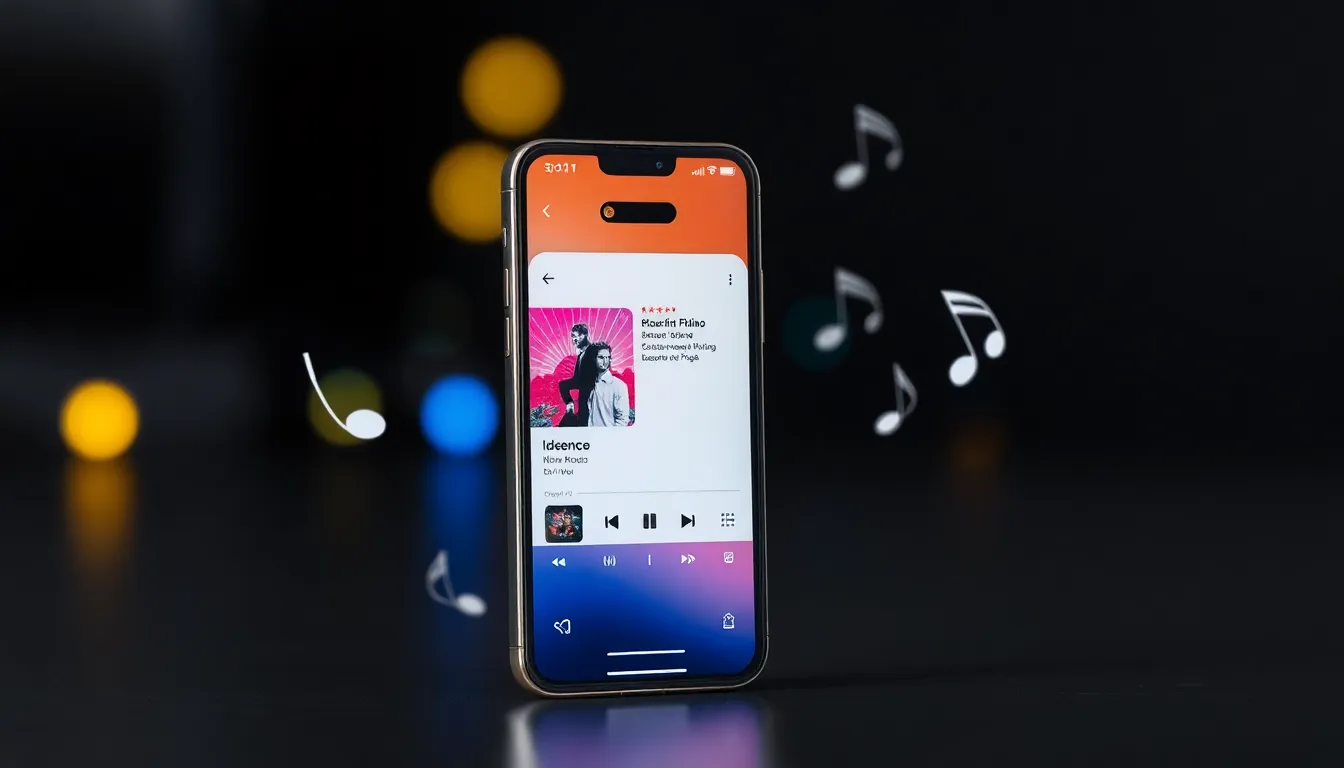
Google's recent Pixel Drop update has transformed the Now Playing feature into a standalone application, bringing significant changes to how users interact with the music identification tool. While the update introduces improvements like enhanced album art display, it has reportedly broken compatibility with third-party tools that many users relied upon to export their song history.
The Standalone App Transition
The Now Playing feature, previously integrated into the Android system, has received a major overhaul that elevates it to a dedicated application available through the Play Store. This transition represents Google's effort to enhance the feature's functionality and user experience. The update includes visual improvements such as better album art presentation and a more polished interface.
However, this architectural change has come with unintended consequences for users who depended on external tools to manage their Now Playing data. The shift to a standalone app has altered how Now Playing interacts with the Android system, particularly regarding notification access.
Broken Third-Party Integration
The core issue stems from changes to how Now Playing handles notifications. Previously, third-party applications could access song identification data through Android's notification system. These tools allowed users to export their listening history, creating personal music archives or sharing discoveries with friends.
With the new standalone app implementation, Now Playing's notification behavior has changed, removing the accessibility that these third-party tools depended upon. This effectively breaks the functionality of popular history export applications that many Android enthusiasts had come to rely on as part of their daily music discovery workflow.
User Response and Impact
The change has generated mixed reactions within the Android community. While some users appreciate the visual enhancements and dedicated app approach, others express frustration over losing functionality they considered essential. The history export feature had become particularly popular among music enthusiasts who wanted to track their discoveries over time or compile personal listening statistics.
Reports indicate that the affected tools were widely used within certain user communities, with some developers having created sophisticated solutions for exporting and analyzing Now Playing data. The sudden incompatibility has left users searching for alternatives or hoping for official solutions from Google.
Looking Forward
As Google continues to refine its music identification technology, the balance between innovation and backward compatibility remains a challenge. The Now Playing overhaul demonstrates how system-level changes can disrupt established user workflows, even when introducing improvements.
While the current implementation prioritizes the standalone app experience, there may be opportunities for Google to address the community's needs through official APIs or built-in export functionality. For now, users who depended on history export tools must adapt to the new reality or seek alternative methods for tracking their musical discoveries.
The situation highlights the delicate balance tech companies must maintain when updating popular features—enhancing functionality while preserving the aspects that made them valuable to dedicated users in the first place.