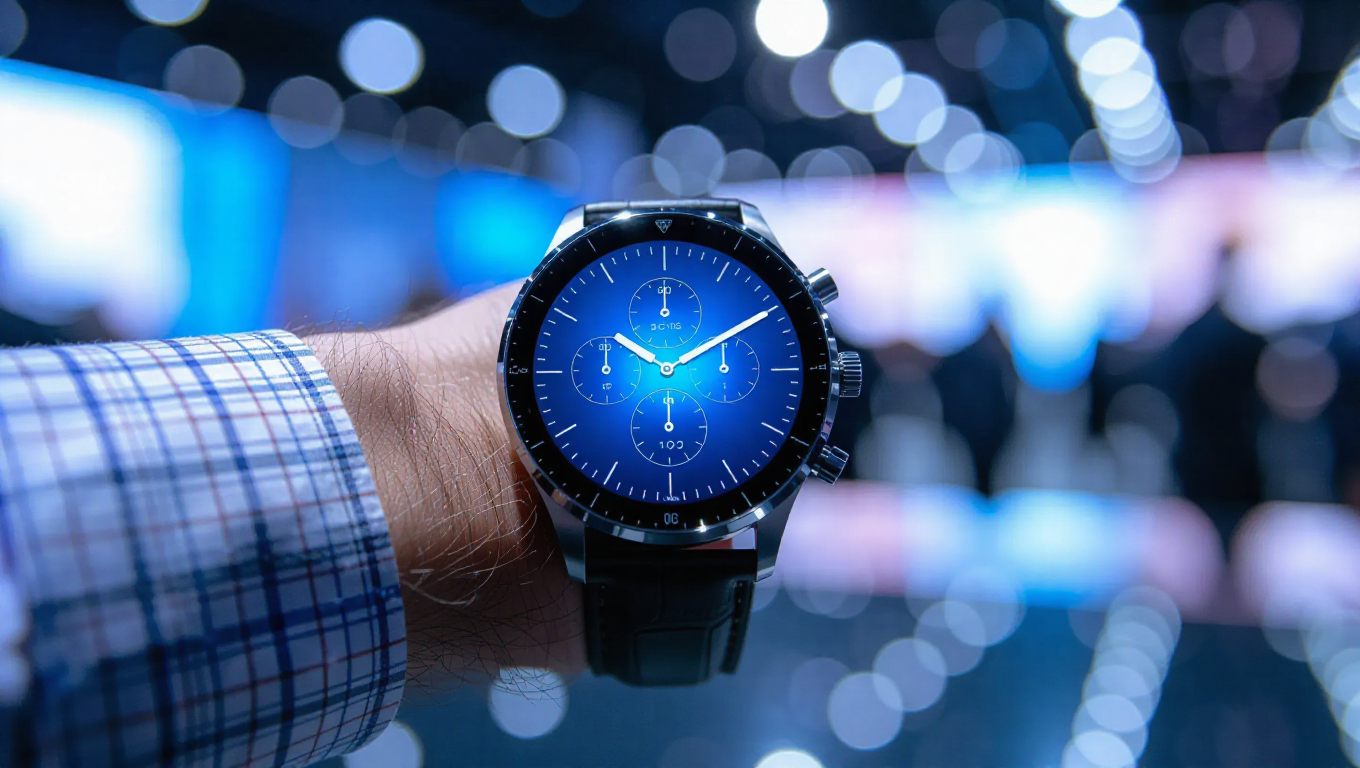
Motorola Unveils New Moto Watch at CES 2026, Echoing Wear OS Design
At CES 2026, Motorola showcased a range of new products, including a highly anticipated book-style foldable device. Among these announcements was the preview of a new "Moto Watch," a smartwatch that immediately draws comparisons to Wear OS designs, yet serves as a reminder that the iconic Moto 360 remains out of production. This move signals Motorola's ongoing strategy in the wearable market, opting for a fresh approach rather than reviving past favorites.
A New Direction in Wearables
The Moto Watch, as revealed in initial previews, features a circular display and a design aesthetic that closely aligns with modern Wear OS smartwatches. Its appearance suggests a focus on sleek, minimalist lines and a user-friendly interface, potentially targeting consumers familiar with Google's wearable ecosystem. While specific technical details were limited in the CES showcase, the watch's visual presentation indicates an emphasis on blending style with smart functionality, a hallmark of contemporary wearables.
This launch comes amid persistent consumer interest in the Moto 360, a smartwatch that gained a cult following for its innovative design and early adoption of circular displays in the Android market. Despite rumors and hopes for a revival, Motorola has consistently avoided reintroducing the Moto 360, instead channeling efforts into new product lines like the Moto Watch. The decision reflects broader industry trends where companies often pivot to updated models rather than reissuing legacy devices, even those with nostalgic appeal.
Design and Market Implications
Early impressions of the Moto Watch highlight its resemblance to existing Wear OS devices, suggesting Motorola may be leveraging established design cues to attract users seeking familiarity and reliability. The watch's gallery images reveal a polished look with potential for customization, such as interchangeable bands and watch faces, aligning with current smartwatch trends that prioritize personalization. This approach could help Motorola compete in a crowded market dominated by brands like Samsung and Apple, which have set high standards for both aesthetics and performance.
From a strategic perspective, the Moto Watch represents Motorola's attempt to carve out a niche without relying on past successes. By adopting a design that mirrors Wear OS, the company may aim to tap into the ecosystem's existing user base, offering an alternative that combines Motorola's branding with proven wearable concepts. However, this also raises questions about innovation, as the watch appears to follow rather than lead in design evolution, potentially limiting its standout appeal compared to more distinctive offerings.
Conclusion
The introduction of the Moto Watch at CES 2026 underscores Motorola's commitment to the wearable segment, albeit with a clear departure from the Moto 360 legacy. While the new watch embraces a design familiar to Wear OS enthusiasts, it leaves the door open for future iterations that might incorporate more unique features. For now, consumers can anticipate a smartwatch that blends style with functionality, as Motorola continues to navigate the competitive landscape of tech wearables without revisiting its iconic past.