Motorola's 7-Year Update Promise: A Milestone with Caveats
In a significant move for the smartphone industry, Motorola has announced an unprecedented commitment: seven years of guaranteed Android updates for its new flagship device. This announcement comes amid a landscape where most manufacturers offer three to five years of software support, making Motorola's pledge the longest in the Android ecosystem. While this represents a major step forward for consumer rights and device longevity, several factors suggest this promise might not fully address all concerns about smartphone sustainability.
The Significance of Extended Support
Seven years of software updates represents a paradigm shift in how manufacturers approach device lifecycle management. For consumers, this means potentially keeping a smartphone functional and secure for nearly a decade, dramatically reducing electronic waste and saving money over time. The commitment addresses one of the most persistent criticisms of the Android ecosystem: premature software obsolescence that forces upgrades long before hardware fails.
This move puts pressure on competitors to match or exceed this standard, potentially triggering an industry-wide improvement in software support policies. It also aligns with growing consumer demand for sustainable technology and represents a recognition that smartphones have become long-term investments rather than disposable gadgets.
Potential Limitations and Unanswered Questions
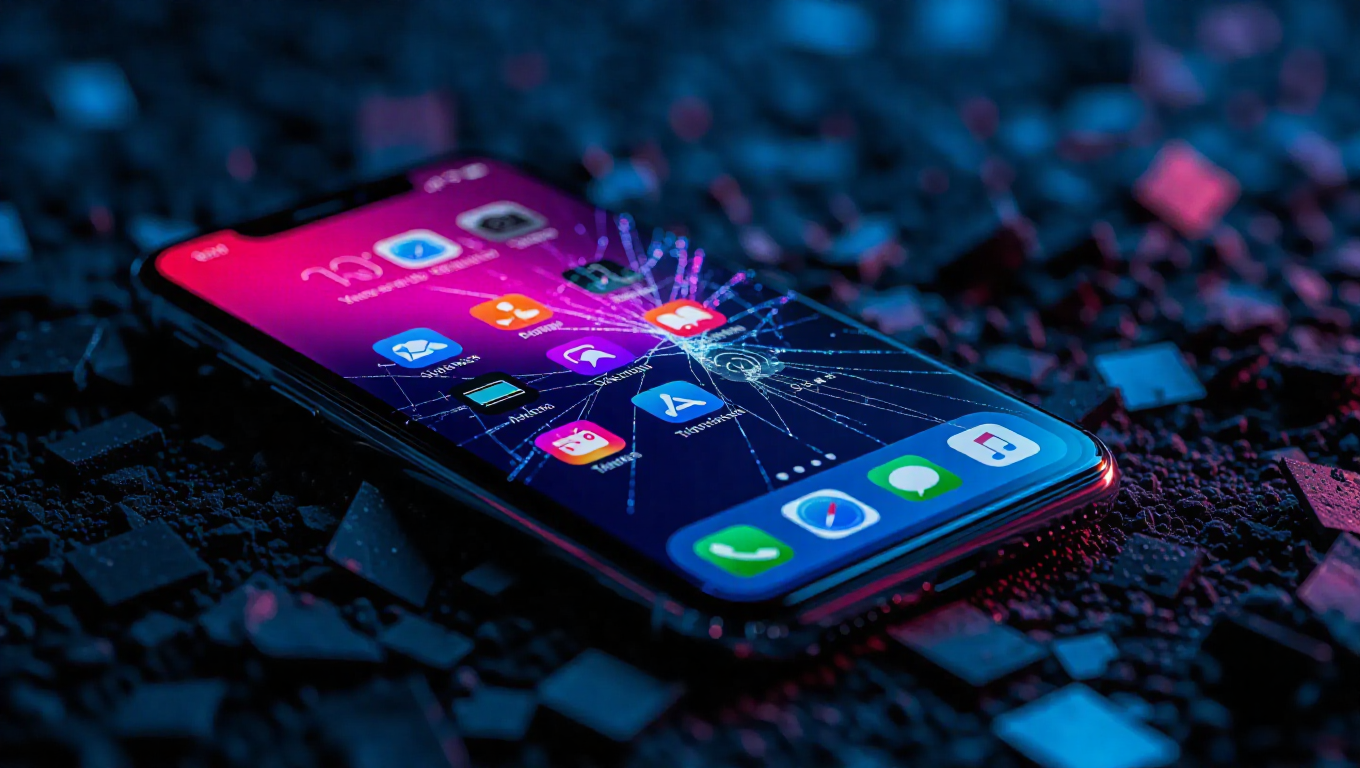
Despite the impressive duration of the update promise, several practical considerations remain. First, hardware durability becomes a critical factor—batteries, displays, and other components may degrade significantly over seven years, potentially making the device unusable regardless of software support. Performance is another concern, as newer Android versions and applications may demand more resources than aging hardware can provide.
There are also questions about what "updates" actually entail. Will security patches be delivered promptly throughout the entire seven-year period? Will feature updates maintain quality and relevance in later years? The effectiveness of security updates on aging hardware architectures remains uncertain, potentially leaving devices vulnerable despite receiving patches.
The Broader Context of Smartphone Sustainability
While extended software support is crucial, true smartphone sustainability requires a holistic approach. Manufacturers need to address repairability, component availability, and hardware longevity alongside software commitments. Right-to-repair legislation and modular design could complement extended update policies to create truly long-lasting devices.
The environmental impact of smartphone production also remains a concern. Even with seven years of updates, the carbon footprint of manufacturing new devices continues to be substantial. A comprehensive sustainability strategy would need to balance extended software support with reduced production volumes and improved recycling systems.
Conclusion
Motorola's seven-year update promise represents a landmark achievement in smartphone industry practices, setting a new standard that benefits consumers and the environment. It addresses long-standing complaints about premature software obsolescence and demonstrates that extended support is technically feasible. However, this commitment alone may not be sufficient to ensure devices remain functional and secure over such an extended period. Hardware durability, performance degradation, and the quality of later updates all present potential challenges. Ultimately, while Motorola's announcement is a significant step forward, true smartphone sustainability will require manufacturers to address both software and hardware longevity comprehensively. The industry should view this as a starting point rather than a final solution in the quest for more sustainable technology.