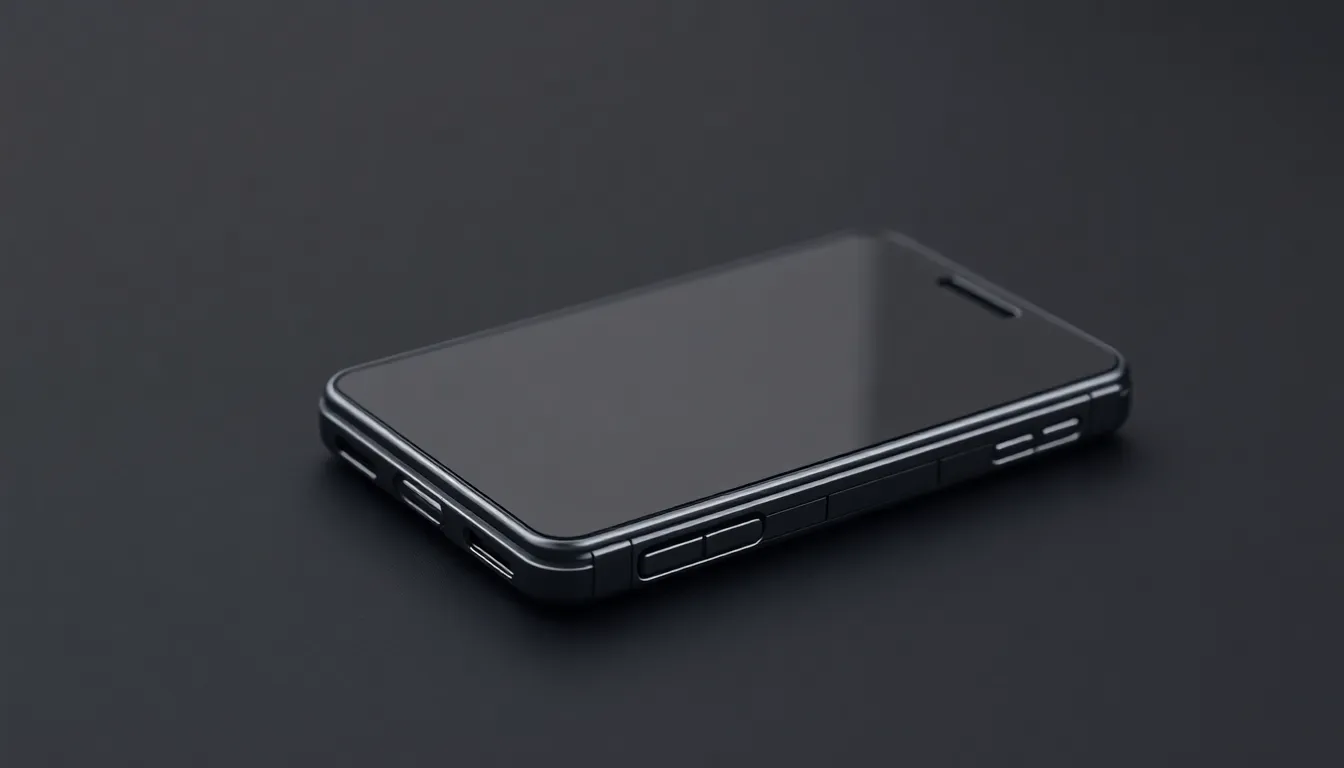
Motorola Razr Ultra 2026 Leak Reveals Thicker Design, Sparking Debate
The first images of Motorola's anticipated 2026 flagship foldable, the Razr Ultra, have surfaced, and they reveal a design direction that diverges from recent industry trends. The leaked visuals show a device with a noticeably thicker chassis compared to the current Razr 50 Ultra, a choice that has immediately generated discussion among enthusiasts and analysts.
A Departure from the Slim Profile
Initial impressions based on the leak suggest the new Razr Ultra will be bulkier than its predecessor. This move appears counterintuitive in a market where competitors are often praised for achieving increasingly slender profiles in their foldable offerings. The design seems to prioritize other elements, potentially at the expense of the pocket-friendly form factor that has been a hallmark of the revived Razr line.
The visual evidence indicates a substantial hinge area and overall heft. This development follows the recent leak of a more entry-level Motorola clamshell model, suggesting a clear differentiation in the 2026 lineup where the Ultra variant may embrace a different design philosophy focused on robustness or enhanced internal components.
Potential Rationale and Market Reaction
While the thicker design may initially disappoint those hoping for a sleeker device, it likely serves a functional purpose. The increased internal volume could accommodate a larger battery, a more advanced cooling system, or improved durability mechanisms—all common pain points in current foldable smartphones. A sturdier build might also aim to address long-term reliability concerns associated with folding displays.
However, the reaction from the foldable community has been mixed. Some observers express frustration, viewing the added thickness as a step backward in a category defined by its pursuit of elegant, compact designs. The sentiment reflects a tension in the foldable market between achieving a slim, traditional phone-like feel and incorporating the necessary hardware for performance and battery life.
Positioning in the 2026 Foldable Landscape
As the 2026 product cycle approaches, Motorola's strategy with the Razr Ultra will be closely watched. If the leaked design is accurate, it positions the device as a potential powerhouse focused on substance over ultra-slim form. This could appeal to users who prioritize battery endurance and performance in a foldable format, even if it means carrying a slightly bulkier device.
The success of this approach will depend on what tangible benefits the thicker chassis delivers. Should it enable significantly better battery life, more powerful internals, or superior durability without compromising the folding mechanism, Motorola could justify the design shift. The final specifications, pricing, and hands-on experience will ultimately determine if this calculated trade-off resonates with consumers.
Conclusion
The leaked design of the Motorola Razr Ultra 2026 presents a clear and deliberate choice: favoring potential performance and durability gains over a continued push for minimal thickness. This decision breaks from the recent trajectory of slimming foldables and is sure to be a defining topic as more details emerge. While it may not satisfy all enthusiasts dreaming of an ever-thinner device, it underscores the ongoing engineering challenges in the foldable segment and Motorola's willingness to explore a different path. The market's response will reveal whether practicality can triumph over the pursuit of极致 thinness in the evolving world of flip phones.