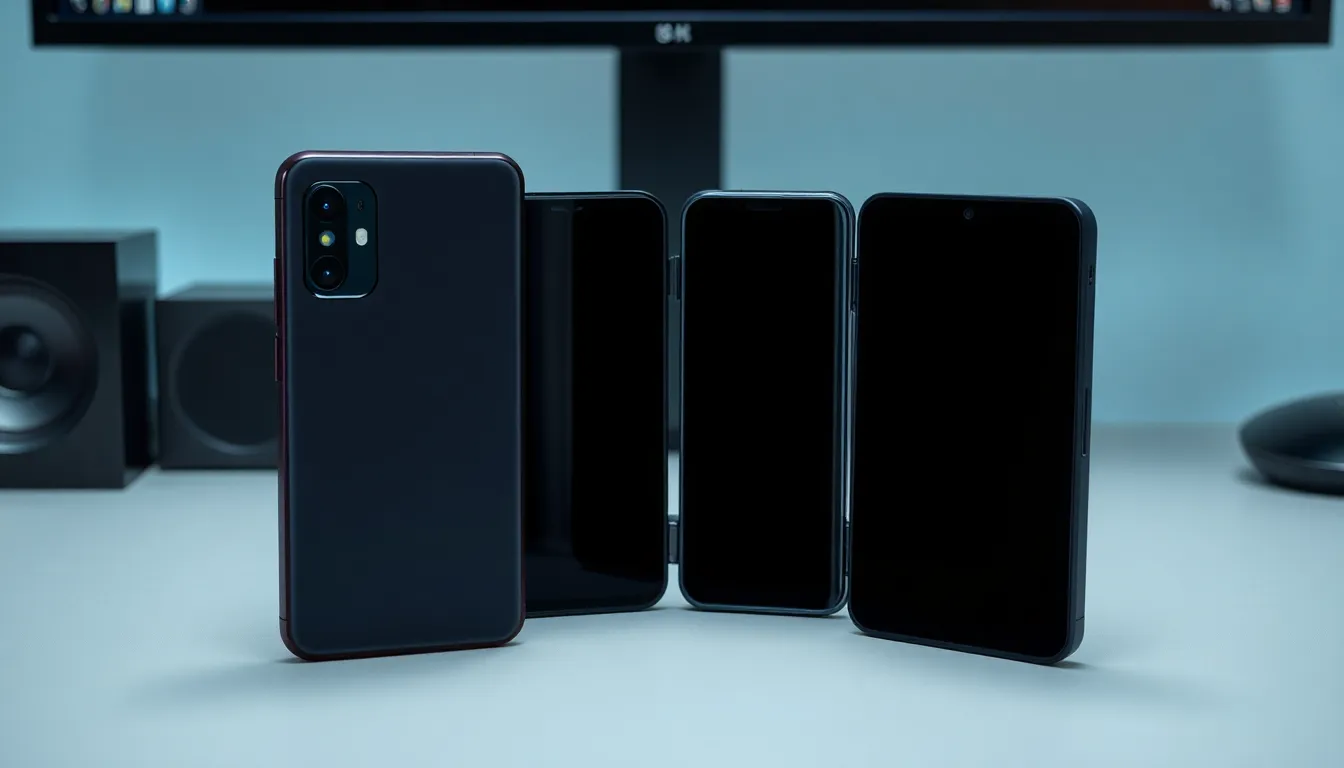
Motorola Razr Fold Hands-On: A Stylish but Chunky Contender in the Foldable Arena
Motorola has entered the book-style foldable smartphone market with the Razr Fold, a device that aims to blend the brand's iconic design language with cutting-edge flexible display technology. Following its initial unveiling, more details have emerged, offering a clearer picture of what to expect from this premium offering.
Design and Build: A Matter of Heft and Style
The Razr Fold makes a distinct first impression with its physical presence. It is noted as one of the thicker and heavier devices in its category, weighing 243 grams. This places it above some key competitors in terms of heft. The build includes a textured back panel, available in colors like Pantone Lily White and Pantone Blackened Blue, with a classic Motorola aesthetic featuring a slightly raised camera island and curved front glass. The frame utilizes a non-glossy metal that enhances grip and resists fingerprints.
However, the device's IP49 rating for dust and water resistance is considered a step behind the current high-end standard, which often features more robust IP68/IP69 ratings. Despite its dimensions, the phone is reported to feel well-rounded and comfortable in hand, with flattened sides aiding handling. The design, when folded, bears a resemblance to other premium Motorola models.
Display Technology: A Clear Strength
Where the Razr Fold appears to excel is in its screen technology. The cover display is a substantial 6.6-inch 21:9 panel with a 165Hz refresh rate and a resolution of 2,520x1,080 pixels, offering an experience closer to a traditional smartphone than some rivals. The inner folding screen measures 8.09 inches with an 8:7.2 aspect ratio and a resolution of 2,484x2,232 pixels. It is an LTPO panel with a variable 1-120Hz refresh rate.
Both screens are highlighted for their brightness, with the cover screen reaching up to 6,000 nits peak local brightness and the inner display up to 6,200 nits. They are 10-bit panels supporting Dolby Vision, positioning them among the more impressive display setups in the foldable segment. The combination of screen sizes is viewed favorably, matching or exceeding the external and internal dimensions of several competitors.
Performance and Pricing Considerations
Under the hood, the Razr Fold is powered by the non-Elite variant of the Snapdragon 8 Gen 5 chipset. This choice has raised some eyebrows, given the device's expected premium price point—hinted to be around €2,000 for a 512GB model—and the fact that Motorola's previous flagship clamshell foldable utilized a higher-tier chip. The phone will offer configurations with 12GB or 16GB of LPDDR5X RAM and storage options of 256GB, 512GB, or 1TB.
Initial availability is planned for Europe, with a North American release to follow in the coming months. The pricing strategy positions it squarely in the high-end market, where it will compete not only on specs but also on the overall value proposition, design appeal, and durability.
Early Verdict and Market Position
The Motorola Razr Fold presents a compelling mix of high-quality displays and distinctive Motorola styling, which may attract users looking for a foldable that doesn't sacrifice external screen usability. Its design, while praised for texture and feel, carries the trade-off of increased bulk and a less advanced ingress protection rating compared to some peers.
The chipset selection at this price tier may be a point of contention for performance-focused buyers. As the foldable market continues to mature with devices like the Samsung Galaxy Z Fold series and Honor Magic V6, the Razr Fold's success will likely hinge on how consumers balance its premium screen experience and design against its physical footprint and component choices. It represents a bold, if somewhat conventional in form factor, entry from a brand with a history of innovative mobile design.