Motorola Razr Fold: A Promising Entry into the Book-Style Foldable Arena
The foldable phone market is about to get more crowded. At CES 2026, Motorola officially stepped beyond its successful clamshell Razr series to unveil its first book-style foldable device: the Razr Fold. This move signals a direct challenge to established players like Samsung's Galaxy Z Fold series and Google's Pixel Fold line, injecting fresh competition into the high-end segment.
Design and Display: A Familiar Yet Refined Form
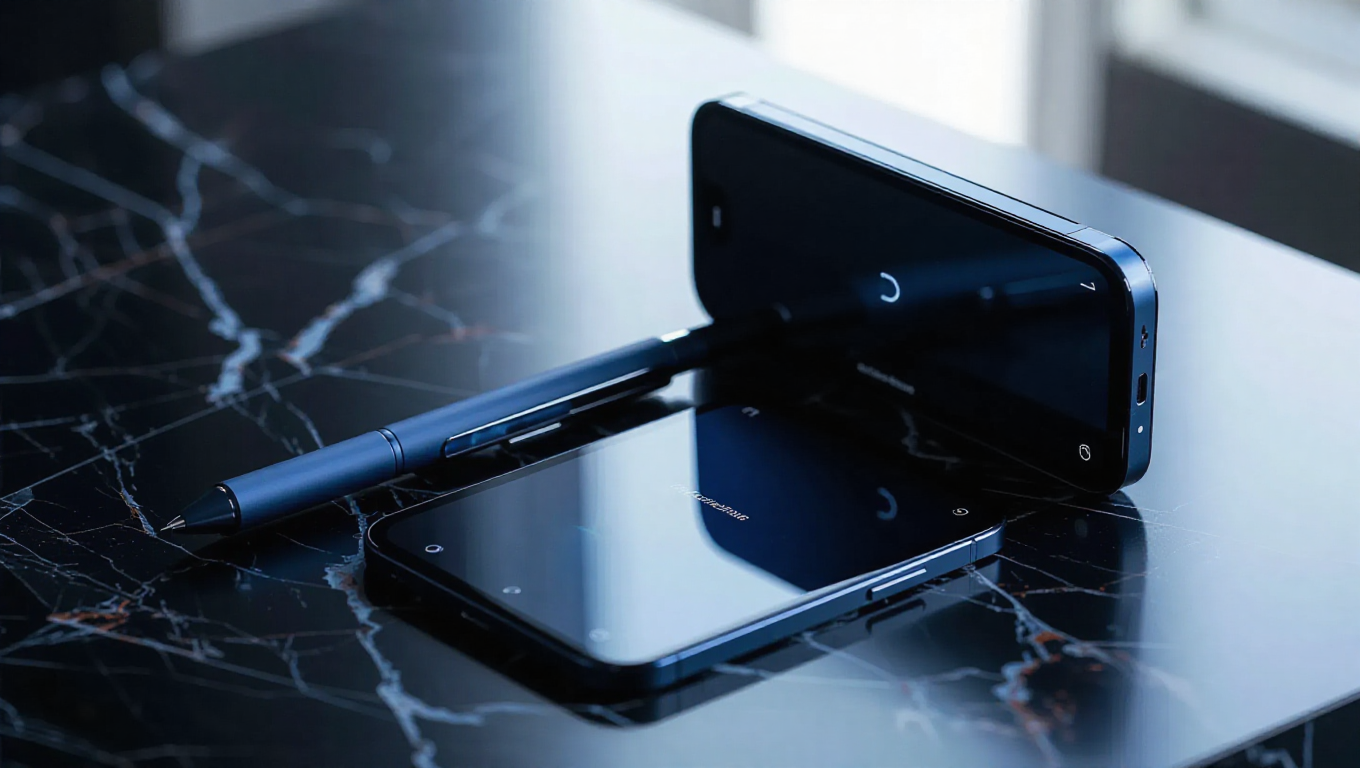
The Razr Fold's design appears to draw clear inspiration from its main rivals, particularly the Galaxy Z Fold 7, but with notable refinements. Early impressions suggest it doesn't look like a company's first attempt; the build quality seems mature and competitive. The device features an 8.09-inch LTPO inner display with a 2K resolution, offering a spacious canvas for productivity and media. On the outside, a 6.56-inch cover screen provides functionality without needing to unfold the device, a feature that has become standard for the form factor. The phone will be available in Pantone Blackened Blue and Pantone Lily White color options.
Camera and Specs: High-End Ambitions
Motorola is equipping the Razr Fold with a camera system that aims to compete at the top tier. The triple rear camera array includes a 50MP Sony LYTIA main sensor, a 50MP ultra-wide lens, and a 50MP periscope telephoto camera with 3x optical zoom, supporting Dolby Vision recording. For selfies and video calls, a 32MP camera is housed on the cover display, with an additional 20MP camera on the inner screen. While the core display and camera specifications are impressive, Motorola has held back details on the processor, battery capacity, RAM, and storage configurations, leaving some key performance questions unanswered until closer to launch.
Software, AI, and Accessories
The Razr Fold will launch with a suite of AI-powered features, including "Catch Me Up" and "Next Move," designed to enhance user productivity and context awareness. A significant differentiator is its support for the newly announced Moto Pen Ultra stylus, positioning it as a tool for note-taking and creative work, similar to Samsung's S Pen functionality for the Z Fold line. The device was announced alongside other new Motorola products like the Moto Tag 2 tracker and a new Moto Watch, but the Razr Fold is clearly the centerpiece of the company's 2026 ambitions.
Market Position and Lingering Questions
The Razr Fold enters a market currently dominated by Samsung and is soon to be contested by Google's next-generation foldable. Its physical design and core specs suggest it can hold its own in terms of hardware. However, analysts and enthusiasts alike express cautious optimism. The success of a foldable hinges not just on specs but on software optimization, durability, and price. With a launch window set for summer 2026 in the United States, the most critical details—pricing and full technical specifications—remain a mystery. This uncertainty leads to questions about its ultimate value proposition and whether it can carve out a significant audience against deeply entrenched competitors.
Conclusion: Potential Meets Uncertainty
The Motorola Razr Fold represents a bold and necessary expansion for the brand. On paper, it checks many boxes for a premium foldable: a large, high-quality inner display, a versatile camera system, stylus support, and a design that appears polished. It demonstrates that Motorola is serious about competing in the high-stakes foldable arena. However, its promise is currently tempered by the lack of final pricing and complete specifications. If Motorola can price it competitively and deliver optimized software and proven durability, the Razr Fold could become a compelling third option in the book-style foldable market. Until those details are revealed, it remains an incredibly promising but unproven contender.