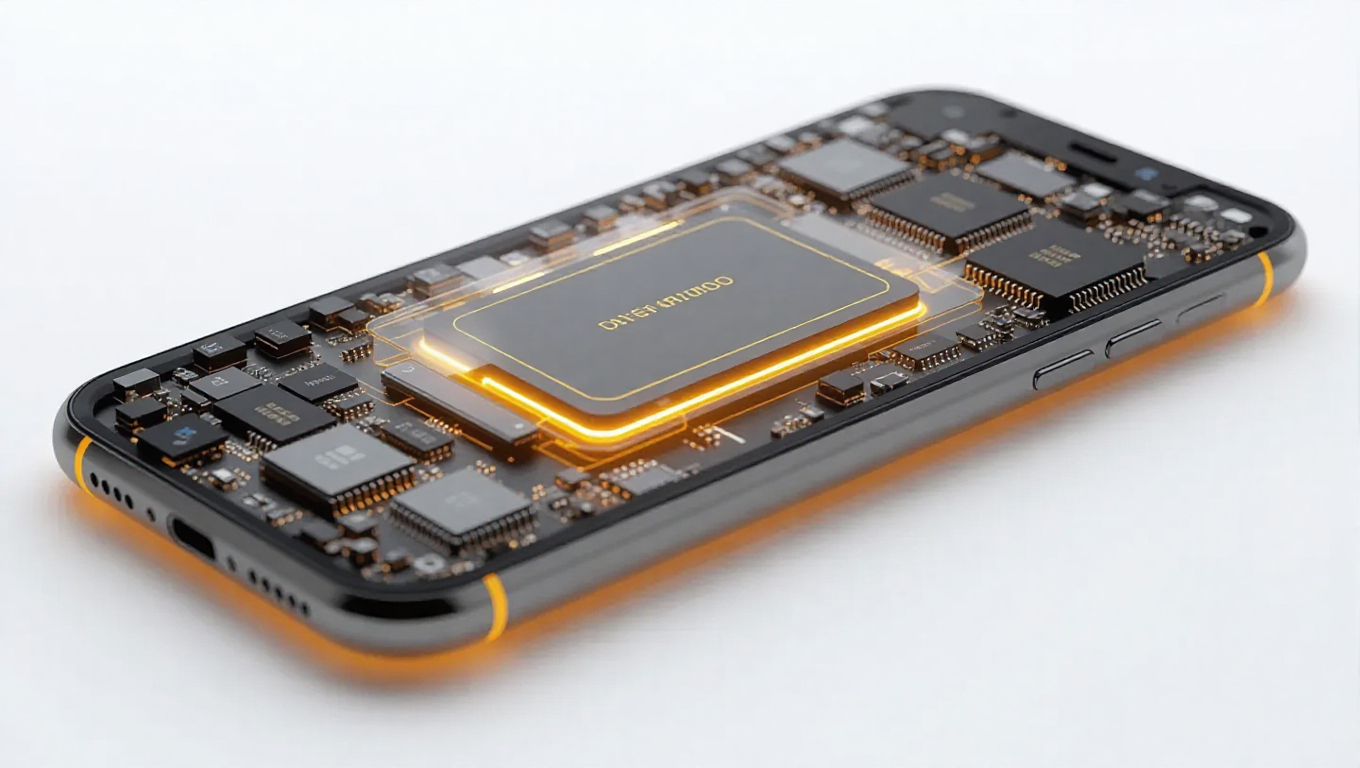
Motorola Moto G Power (2026) Repair Analysis: Battery Complexity Impacts Score
The Motorola Moto G Power (2026) has entered the market as a durable, mid-range smartphone option. Initial assessments of its hardware design, however, indicate that its user repairability is only average, with the battery installation presenting a significant hurdle.
Design and Durability Features
The device boasts a robust build, featuring an IP69 rating for dust and water resistance and compliance with the MIL-STD-810H standard for durability. It sports a 6.8-inch LCD display and is powered by a MediaTek Dimensity 6300 chipset. The rear camera system includes a 50-megapixel main sensor with optical image stabilization and an 8-megapixel ultra-wide lens that also functions for macro photography. A notable power feature is its large 5,200mAh battery, which supports 30-watt wired and 15-watt wireless charging.
The Repair Challenge: Battery Adhesive
The primary factor contributing to the phone's middling repairability score is its battery. Disassembly analysis shows the battery is firmly secured within the chassis using a substantial amount of strong adhesive. This design choice, while likely intended to enhance structural integrity and water resistance, complicates the replacement process. Removing the battery requires careful application of heat and precise prying, increasing the risk of damaging the battery or surrounding components. This poses a significant barrier for end-users or independent repair shops attempting a fix.
Other Repair Considerations
Beyond the battery, the phone's modularity receives mixed marks. Some internal components are accessible and replaceable with standard tools, but the overall design prioritizes a sealed, rugged construction over easy disassembly. The use of adhesive is prevalent in securing multiple internal parts, aligning with its IP69 and military-standard ratings but detracting from repairability.
Conclusion
The Motorola Moto G Power (2026) presents a trade-off common in modern smartphones: exceptional durability for everyday use at the cost of straightforward repairability. Its average repair score is largely attributed to the challenging battery replacement process. For consumers who prioritize long-term device ruggedness and battery life, the phone remains a compelling option. However, those concerned with longevity through repairability or who prefer to perform their own fixes may find the design less accommodating. The device exemplifies the ongoing industry balance between building tougher phones and maintaining their serviceability.