Motorola Moto G (2026) Arrives for Testing: Subtle Upgrades for Budget Smartphone
The Motorola Moto G (2026) has entered the review phase, marking the latest iteration in the long-running budget smartphone series. Released in early November and available for purchase since last month, this model continues Motorola's tradition of offering solid value with only minor refinements over its predecessor.
Incremental Spec Updates
The Moto G (2026) maintains much of the same hardware as the previous model, with what could be described as quality-of-life improvements. The base storage has doubled to 128GB, providing more room for apps and media without needing immediate expansion. Battery capacity sees a modest increase to 5,200mAh, potentially extending usage time for daily tasks.
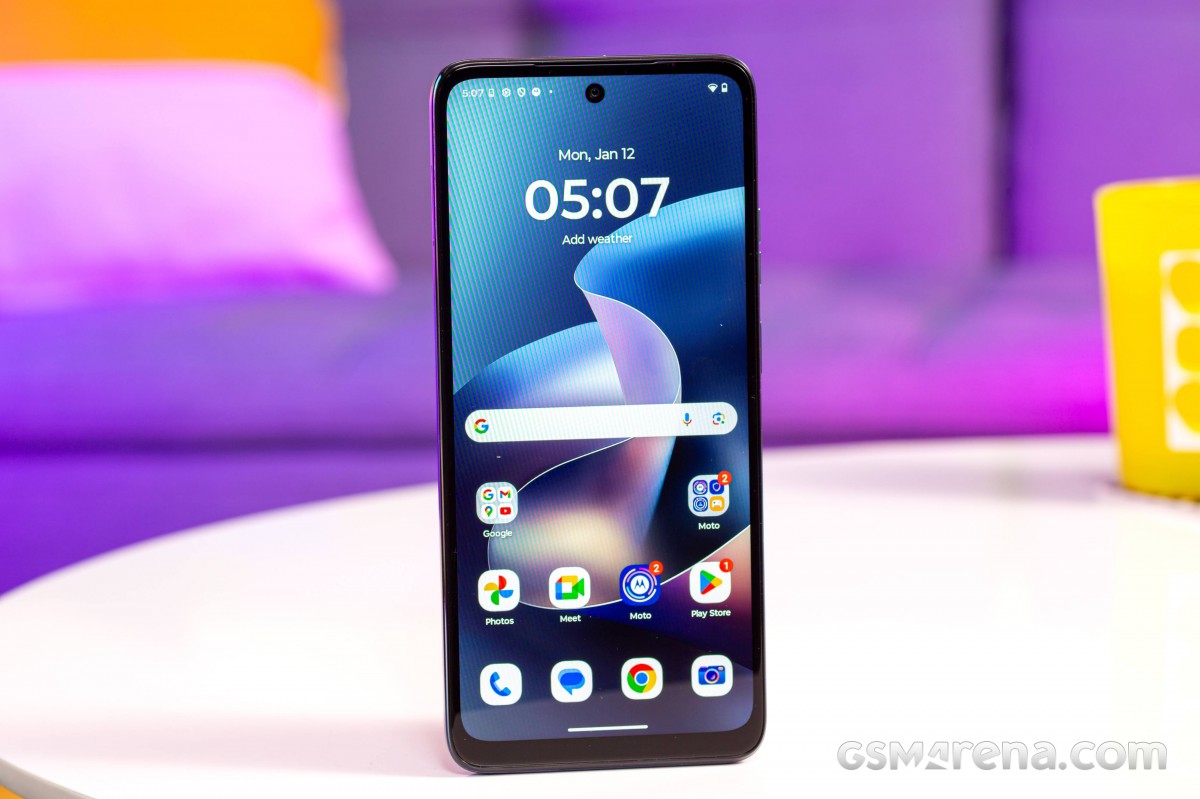
One notable upgrade is the front-facing camera, which now uses a 32MP sensor with an f/2.2 aperture, compared to the 16MP unit in the prior version. This enhancement could improve selfie quality in various lighting conditions.
Familiar Core Hardware
Beyond these changes, the device remains largely unchanged. It retains the 6.7-inch IPS LCD display with 120Hz refresh rate and 1,000 nits peak brightness, offering smooth scrolling and good outdoor visibility. The chipset is the same 6nm MediaTek Dimensity 6300, paired with 4GB of RAM, suggesting performance similar to last year's model.
Key Specifications: 6.7" 120Hz IPS LCD, Dimensity 6300 chipset, 4GB RAM, 128GB storage, 5,200mAh battery, 32MP selfie camera.
Design and Pricing
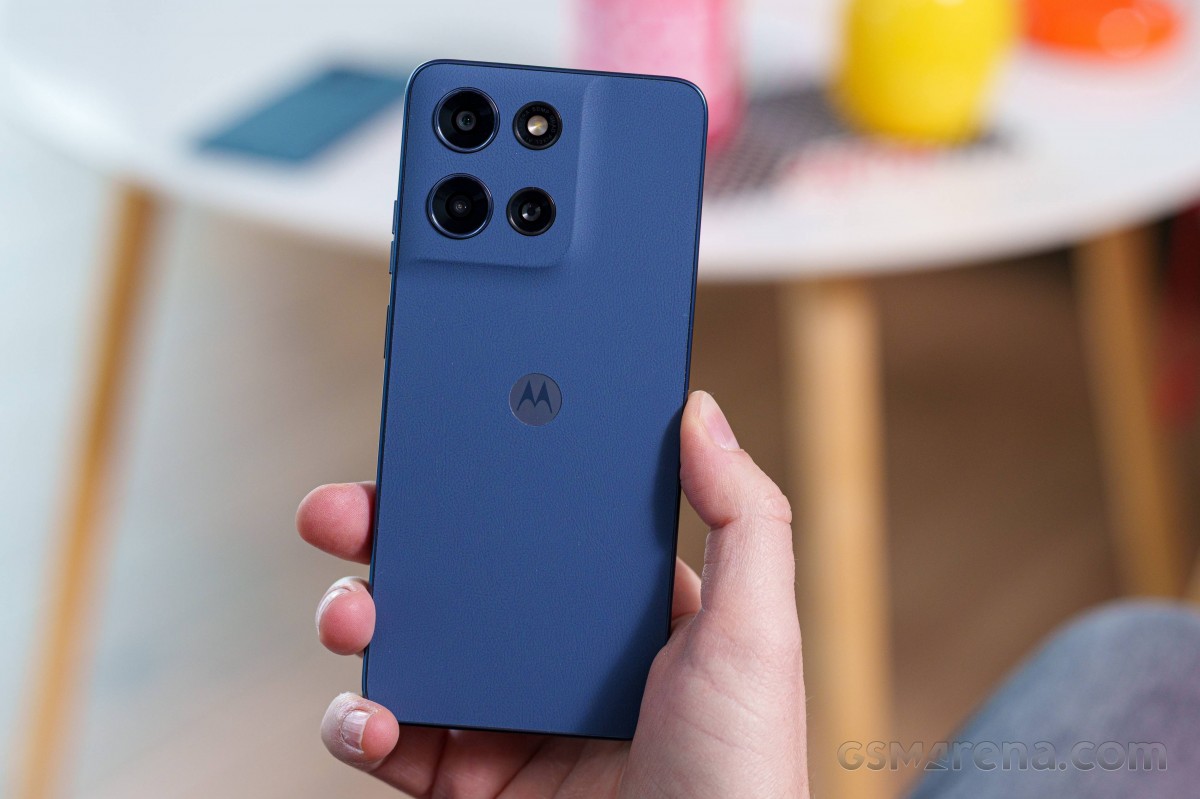
The Moto G (2026) continues the series' stylish approach with a leather-like texture on the back, providing a premium feel at a budget price point. Two new Pantone colors—Slipstream and Cattleya Orchid—add fresh visual options for consumers.
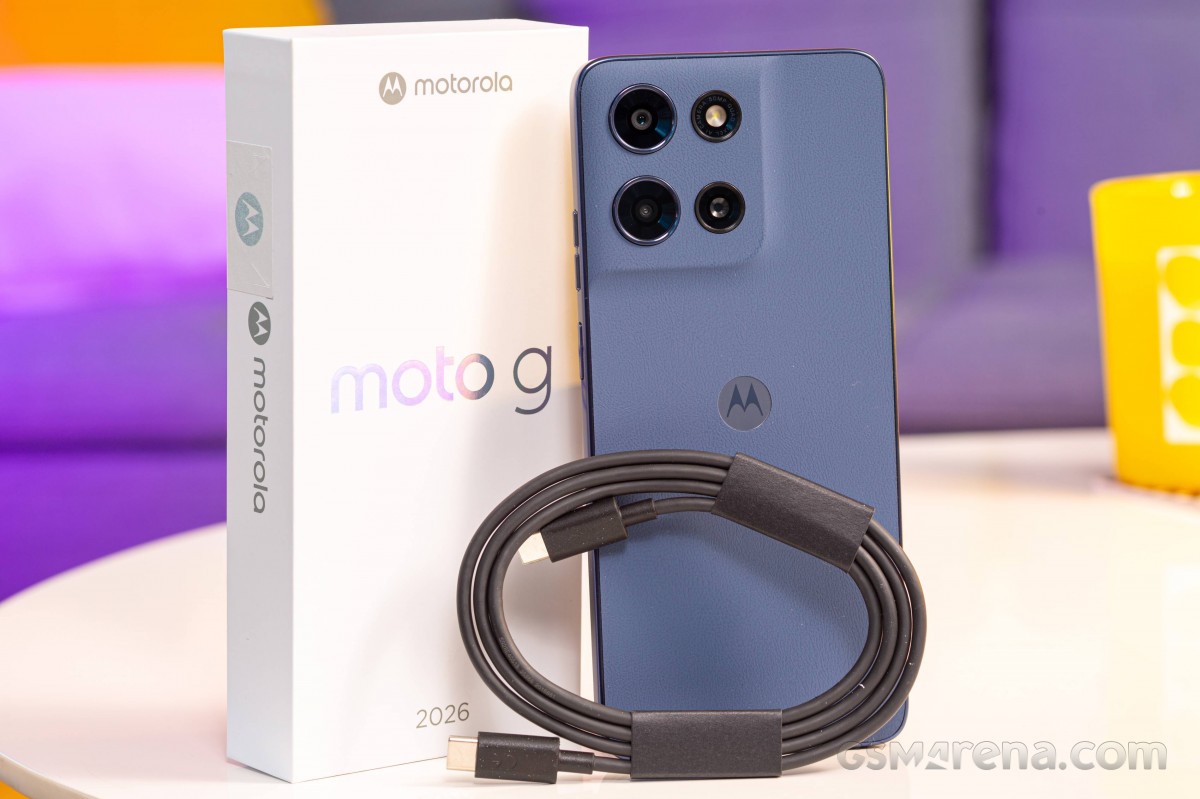
Priced at $200, the phone includes a USB-C cable in the box, maintaining its position as an accessible entry in the competitive budget segment. The value proposition appears consistent with previous Moto G models, focusing on essential features without unnecessary frills.
Conclusion
The Motorola Moto G (2026) represents an evolutionary rather than revolutionary update to the series. With doubled storage, a slightly larger battery, and an improved selfie camera, it addresses some practical limitations of its predecessor while keeping the core experience intact. For budget-conscious consumers seeking reliable performance and familiar Motorola software, this model appears to offer incremental value. As testing progresses, more detailed insights into battery life, camera performance, and overall user experience will emerge to determine if these subtle upgrades translate to meaningful improvements in daily use.