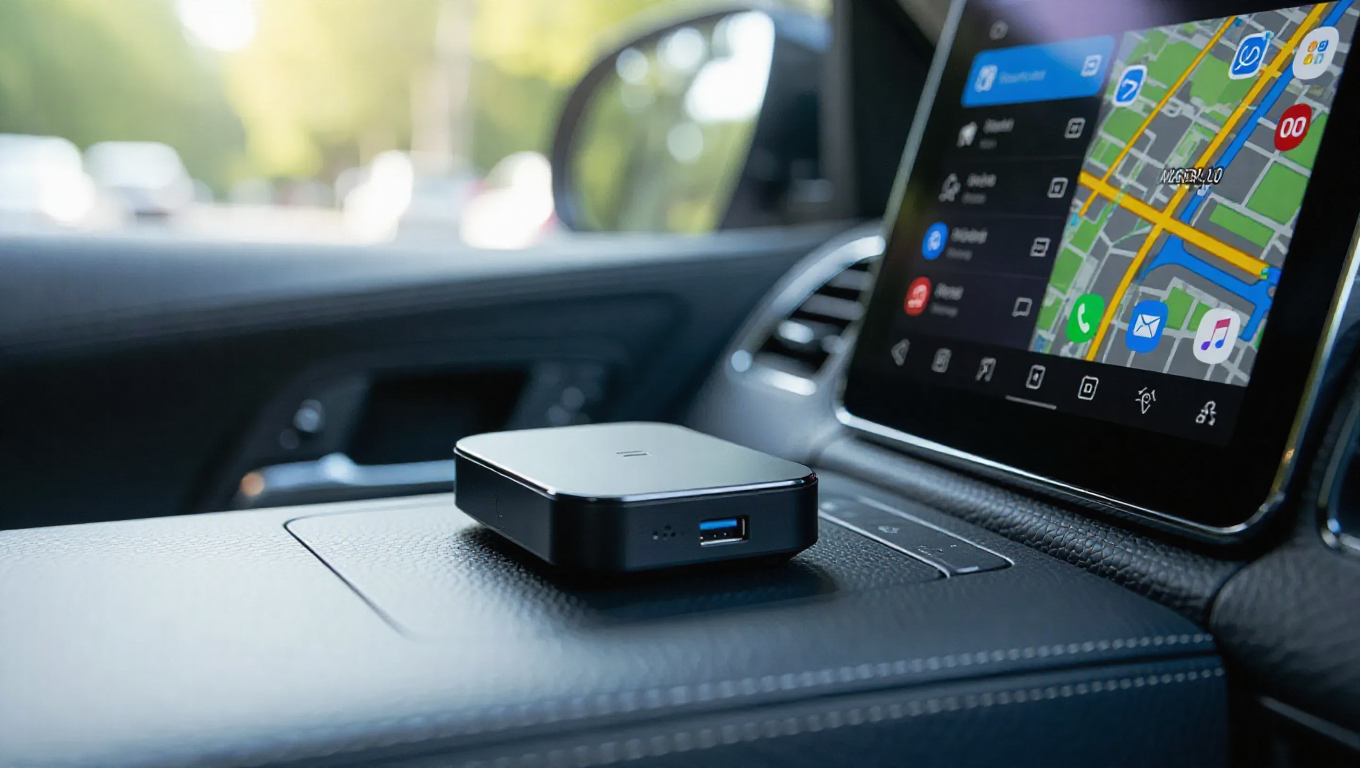
Motorola MA2 Wireless Android Auto Adapter Launches at $40 Price Point
Motorola has quietly introduced its MA2 wireless Android Auto adapter to the market, following earlier regulatory leaks. The device appears to be positioned as an affordable solution for drivers seeking to untether their Android smartphones from their vehicle's infotainment systems.
A Budget-Friendly Wireless Solution
The MA2 adapter enables wireless connectivity between Android smartphones and vehicles that support Android Auto through a wired connection. This eliminates the need for users to physically plug in their devices each time they enter their vehicle, providing a more seamless experience for accessing navigation, media playback, and communication apps through the car's display.
What makes this launch particularly noteworthy is the reported price point. At approximately $40, the MA2 undercuts many existing wireless Android Auto adapters on the market, potentially making wireless connectivity accessible to a broader range of consumers. This competitive pricing could disrupt the segment and encourage wider adoption of wireless Android Auto technology.
Technical Implementation and Compatibility
The adapter presumably connects to a vehicle's USB port designed for Android Auto and establishes a wireless connection with compatible Android smartphones. This setup allows users to maintain all the functionality of Android Auto without the physical tether of a USB cable.
For the MA2 to function properly, both the vehicle and smartphone must meet certain requirements. The vehicle needs to have a compatible infotainment system with Android Auto support via USB, while the smartphone must run a recent version of Android with Android Auto capabilities. The wireless functionality would then be enabled through the adapter's bridging technology.
Market Context and Consumer Impact
The introduction of the MA2 comes as wireless connectivity solutions for in-car systems gain popularity among consumers seeking convenience and reduced clutter. While many newer vehicles now offer built-in wireless Android Auto and Apple CarPlay support, numerous existing vehicles on the road still require wired connections.
This adapter addresses that gap in the market, providing an upgrade path for owners of vehicles with wired-only Android Auto support. The $40 price point is particularly significant, as it places the technology within reach of budget-conscious consumers who might have previously considered wireless adapters too expensive for the convenience they offer.
Conclusion
The Motorola MA2 wireless Android Auto adapter represents a strategic move to democratize wireless in-car connectivity. By offering the adapter at an accessible price point, Motorola is positioning itself to capture market share in the growing segment of aftermarket automotive connectivity solutions. For Android users with compatible vehicles, the MA2 could provide a cost-effective way to upgrade their driving experience with the convenience of wireless smartphone integration. As the product becomes more widely available, consumer adoption will reveal whether this price-conscious approach successfully expands the wireless Android Auto market.