Motorola MA2 Wireless Android Auto Adapter Debuts at MWC 2026
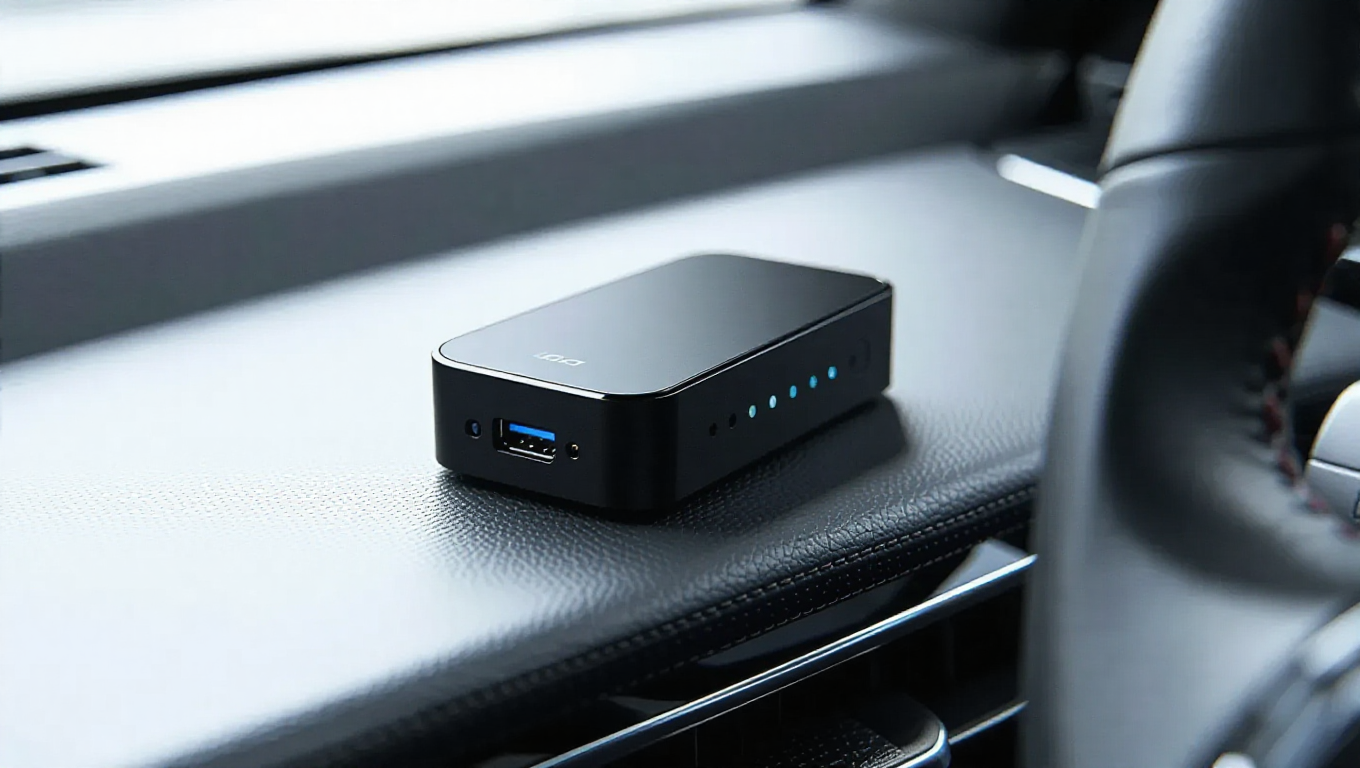
At Mobile World Congress 2026, Motorola has unveiled its latest innovation in automotive connectivity: the MA2 wireless Android Auto adapter. This compact black box represents the successor to the popular MA1 adapter and aims to further eliminate the need for cables in modern vehicles.
Enhanced Connectivity for Shared Vehicles
The MA2 introduces a significant upgrade over its predecessor with multipoint support, allowing two smartphones to pair simultaneously with the adapter. This feature addresses a common pain point for households with shared vehicles, enabling seamless switching between different users' devices without the need for repeated pairing procedures. The adapter maintains the core functionality of converting wired Android Auto connections to wireless operation, providing drivers with access to navigation, music, messaging, and other smartphone features through their vehicle's infotainment system.
Technical Specifications and Availability
While detailed technical specifications remain limited, the MA2 appears to maintain the compact form factor of the original MA1 adapter. The device is scheduled to launch in May, with initial availability in the United States expected in the third quarter of 2026. Pricing information suggests the adapter will retail for approximately $40, positioning it competitively in the wireless car connectivity market.
Market Context and Implications
The wireless Android Auto adapter market has grown steadily as consumers seek to reduce cable clutter and improve convenience in their vehicles. Motorola's original MA1 adapter established the company as a significant player in this niche, and the MA2 represents an evolutionary step that addresses specific user feedback. The multipoint functionality particularly responds to the reality of multi-driver households and shared vehicle usage patterns.
This development comes as vehicle manufacturers continue to implement wireless connectivity options in newer models, though many existing vehicles still require adapters for wireless functionality. The MA2's timing and feature set suggest Motorola aims to maintain its position in this growing accessory category while addressing specific usability improvements requested by consumers.
Conclusion
Motorola's MA2 wireless Android Auto adapter represents a thoughtful evolution of wireless car connectivity technology. By adding multipoint support while maintaining an accessible price point, the company addresses practical concerns of shared vehicle usage. As the product approaches its May launch, it will be interesting to observe how this enhancement influences the broader market for automotive connectivity solutions and whether it accelerates the transition away from wired connections in vehicles that lack native wireless support.