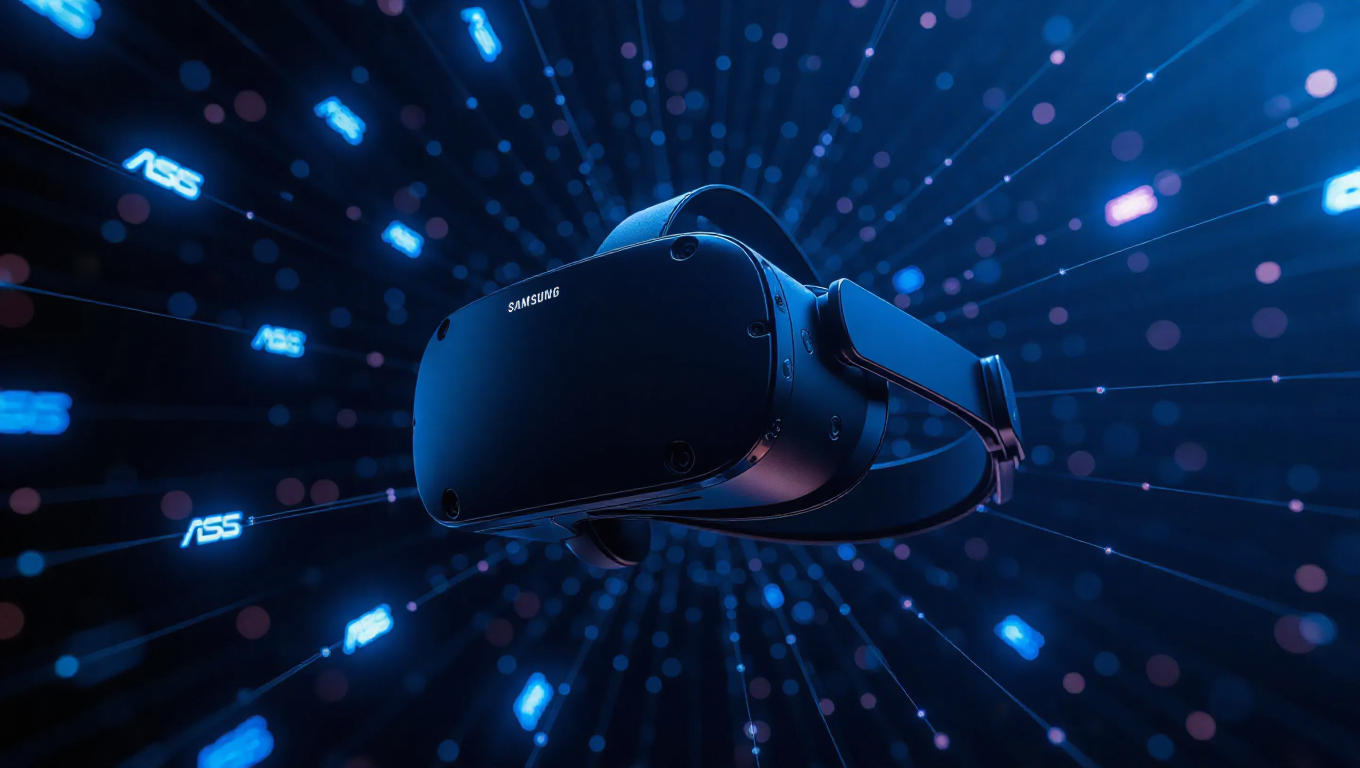
Meta's Horizon OS Shift Intensifies Competition for Samsung's Galaxy XR
The nascent market for extended reality (XR) headsets is witnessing a strategic realignment that could reshape its competitive landscape. A recent decision by Meta to alter its operating system licensing strategy is poised to funnel more hardware manufacturers toward Google's Android XR platform, potentially creating a more crowded and competitive field for early entrants like Samsung's Galaxy XR.
Meta Recalibrates Its XR Strategy
In a significant pivot, Meta has announced a pause on its program to license its Horizon OS to third-party hardware manufacturers. This initiative, announced in April 2024, had initially partnered with major PC brands Asus and Lenovo to develop XR headsets and smart glasses based on Meta's software platform. The company now states it is refocusing its efforts on developing "world-class first-party hardware and software," indicating a strategic consolidation. It has left the door open to revisit third-party partnerships in the future as the market matures.
Android XR Emerges as the Primary Alternative
This strategic withdrawal by Meta leaves a void for manufacturers seeking a robust, ready-made operating system for XR devices. The most immediate and logical beneficiary is Google's Android XR, the platform that debuted on Samsung's Galaxy XR headset last month. With Horizon OS temporarily off the table for partners, brands like Asus and Lenovo are now more likely to adopt Android XR for their planned mixed-reality products. This shift is seen as potentially advantageous for these companies, as Google's ecosystem is widely perceived to offer greater long-term potential for developer support and app availability.
Increased Competition for Samsung's First-Mover
While a growing Android XR ecosystem validates the platform Samsung chose, it also introduces new challenges. Samsung's Galaxy XR currently holds the distinction of being the first commercially available headset running Android XR, granting it a valuable first-mover advantage in brand recognition and early market positioning. However, if multiple established hardware giants enter the market with their own Android XR devices, Samsung's headset will face more direct competition on specifications, pricing, and features within the same software ecosystem. The competition evolves from a platform war between Horizon OS and Android XR to a more intense hardware battle among Android XR device makers.
Conclusion: A Crowded Path Forward
The XR headset market's development trajectory has taken an unexpected turn. Meta's decision to focus inward, while strengthening its own Quest line, inadvertently consolidates the alternative platform landscape around Android XR. For Samsung, this means the Galaxy XR's journey will be less about pioneering a lone Google-powered path and more about navigating a highway soon to be filled with other capable vehicles from familiar rivals. The company's early entry provides a head start, but the road to dominance in consumer XR just became significantly more congested.