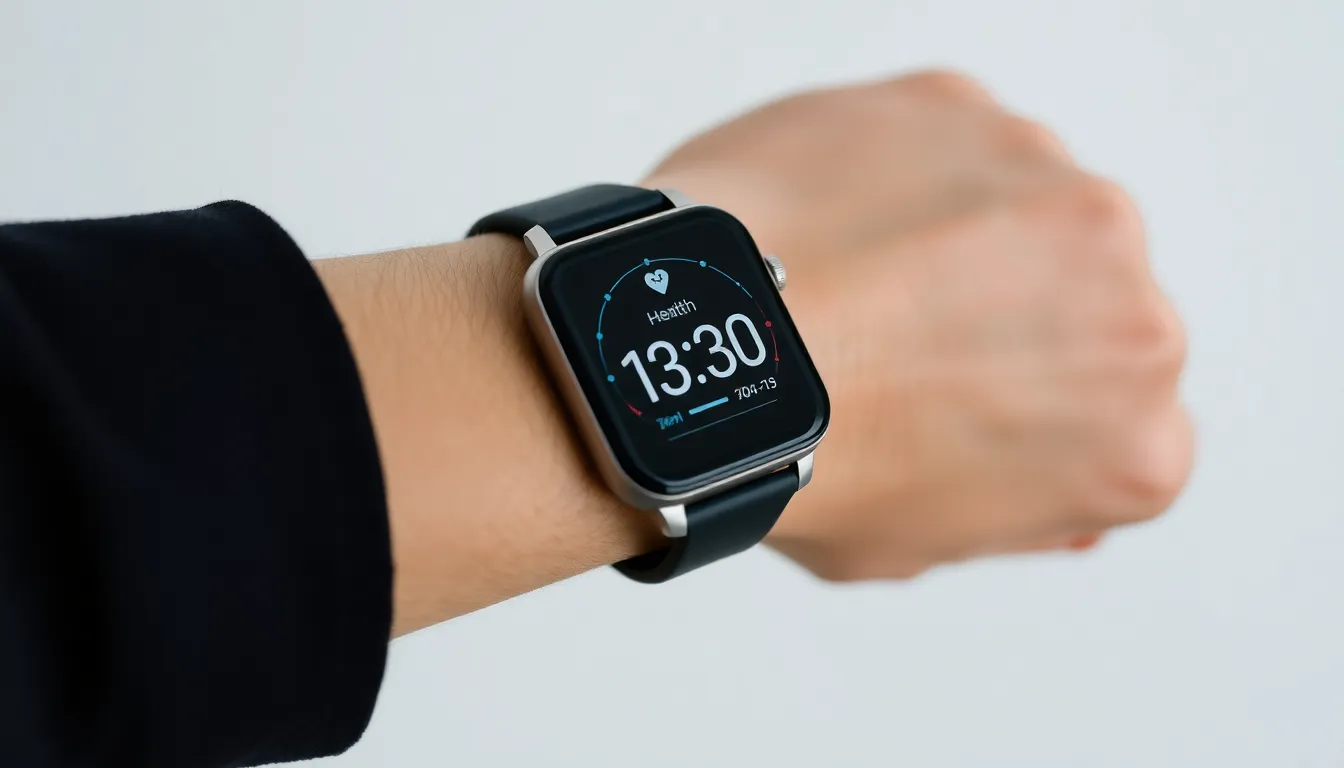
Move Over Pixel Watch: Meta Reportedly Bringing Its Shelved Smartwatch Back to Life
The wearables market is poised for another major shakeup as Meta appears to have revived its previously shelved smartwatch project. After finding success with its Ray-Ban Meta smart glasses, the tech giant is reportedly preparing to enter the competitive smartwatch arena with a device that could challenge established players like Apple, Samsung, and Google.
The Return of Malibu 2
Reports indicate that Meta has resurrected its smartwatch project under the codename "Malibu 2," with expectations pointing toward a potential launch later this year. The original project was reportedly shelved in 2022, but Meta's recent success with wearable technology appears to have prompted a reconsideration of the wrist-worn device market.
The revived smartwatch is expected to feature comprehensive health tracking capabilities, positioning it as a direct competitor to fitness-focused devices like the Apple Watch and Google Pixel Watch. More significantly, the device will reportedly integrate Meta's AI assistant technology, potentially offering unique functionality that differentiates it from existing smartwatches.
Meta's Wearable Ecosystem Expansion
This smartwatch revival appears to be part of a broader wearable technology strategy from Meta. Alongside the Malibu 2 smartwatch, the company is reportedly planning updates for its Ray-Ban Display glasses, codenamed "Hypernova 2," and developing augmented reality glasses under the "Artemis" project name, with those AR glasses expected to launch in 2027.
The strategic move suggests Meta is building a comprehensive wearable ecosystem that spans multiple form factors and use cases. The smartwatch would complement existing products by providing health and fitness tracking capabilities that aren't as prominent in the company's current wearable offerings.
Market Implications and Competition
Meta's entry into the smartwatch market could significantly impact the competitive landscape. The Apple Watch currently dominates the premium smartwatch segment, while Samsung and Google compete in the Android ecosystem. Meta's device would likely target both markets, potentially leveraging the company's social platform integration and AI capabilities.
The integration of Meta AI assistant could be a key differentiator, offering users seamless access to Meta's ecosystem of services and potentially creating new use cases for smartwatches beyond traditional health tracking and notifications.
Conclusion
Meta's reported decision to revive its smartwatch project represents a significant development in the wearables market. If the reports prove accurate, consumers could soon have another major option in the increasingly crowded smartwatch space. The combination of health tracking features with Meta's AI technology could create a compelling product that challenges established players while expanding Meta's presence in the wearable technology ecosystem. As the wearables market continues to evolve, Meta's entry could accelerate innovation and competition, potentially benefiting consumers with more choices and advanced features.