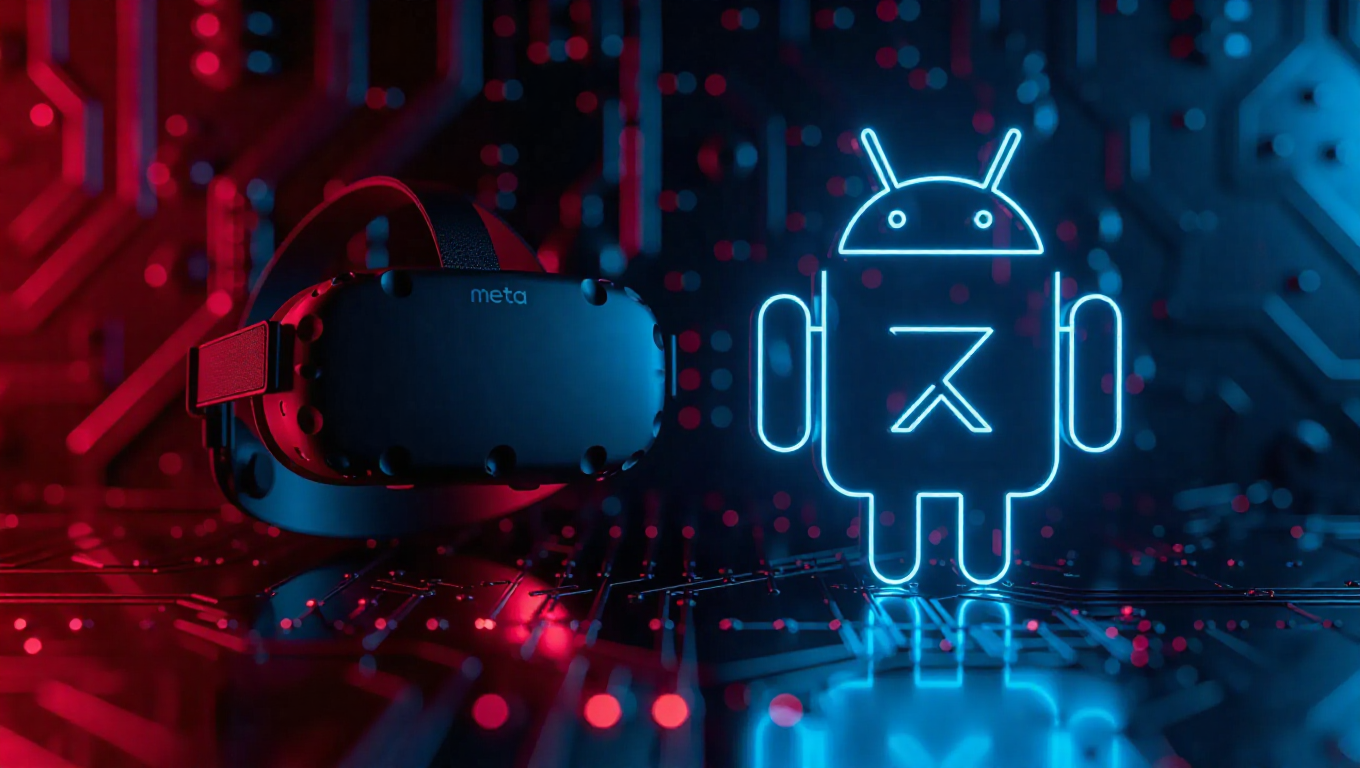
Meta Pauses Third-Party Horizon OS Expansion, Potentially Boosting Android XR Ecosystem
In a significant strategic shift for the mixed reality landscape, Meta has confirmed it is pausing plans to bring its Horizon OS—the software platform powering its Quest headsets—to third-party hardware manufacturers. This decision marks a notable reversal from earlier ambitions to create a broader ecosystem around Horizon OS and could have substantial implications for the competitive dynamics of the extended reality (XR) market, particularly for the emerging Android XR platform.
A Strategic Retreat from Ecosystem Expansion
The initiative to license Horizon OS to other companies was initially positioned as a move to accelerate the growth of the mixed reality market by allowing a wider range of device makers to build hardware on Meta's established software foundation. By pausing this effort, Meta appears to be refocusing resources on its core Quest product line and the development of Horizon OS for its own devices. This consolidation suggests a prioritization of vertical integration and control over the user experience within its own hardware ecosystem, rather than pursuing a more open, Android-like model for its operating system.
Implications for the XR Competitive Landscape
This pause creates a potential vacuum in the market for a licensed, standalone XR operating system. While companies like Apple continue with their vertically integrated approach with visionOS, and others may develop proprietary solutions, the absence of a major player like Meta actively pushing a third-party OS strategy could reduce market fragmentation in the near term. For device manufacturers seeking an alternative to building a platform from scratch, the options have now narrowed, which may influence their strategic partnerships and platform choices.
An Opening for Android XR
The most direct beneficiary of Meta's decision could be Android XR. Google's platform for extended reality devices is designed to be an open, scalable operating system for headset makers, leveraging the existing Android ecosystem. With Meta stepping back from licensing its OS, Android XR faces one less major competitor in the quest to become the default software platform for third-party XR hardware. This development may encourage more device manufacturers to evaluate or commit to Android XR, potentially accelerating its adoption and the development of a more robust app and service ecosystem around it. The success of this opportunity will likely depend on Google's execution, developer outreach, and the ability of Android XR to offer compelling advantages over proprietary alternatives.
Conclusion: A Market at an Inflection Point
Meta's decision to halt the third-party Horizon OS program represents a recalibration of its mixed reality strategy, emphasizing control and focus over breadth. While this may strengthen its own product lineup, it simultaneously alters the competitive field for XR operating systems. The move inadvertently clears a path for Android XR to gain greater traction as an open platform for headset makers. The coming months will reveal whether device manufacturers and developers seize this opportunity, potentially setting the stage for a more defined platform battle in the evolving XR space, with Android XR positioned as a central challenger.