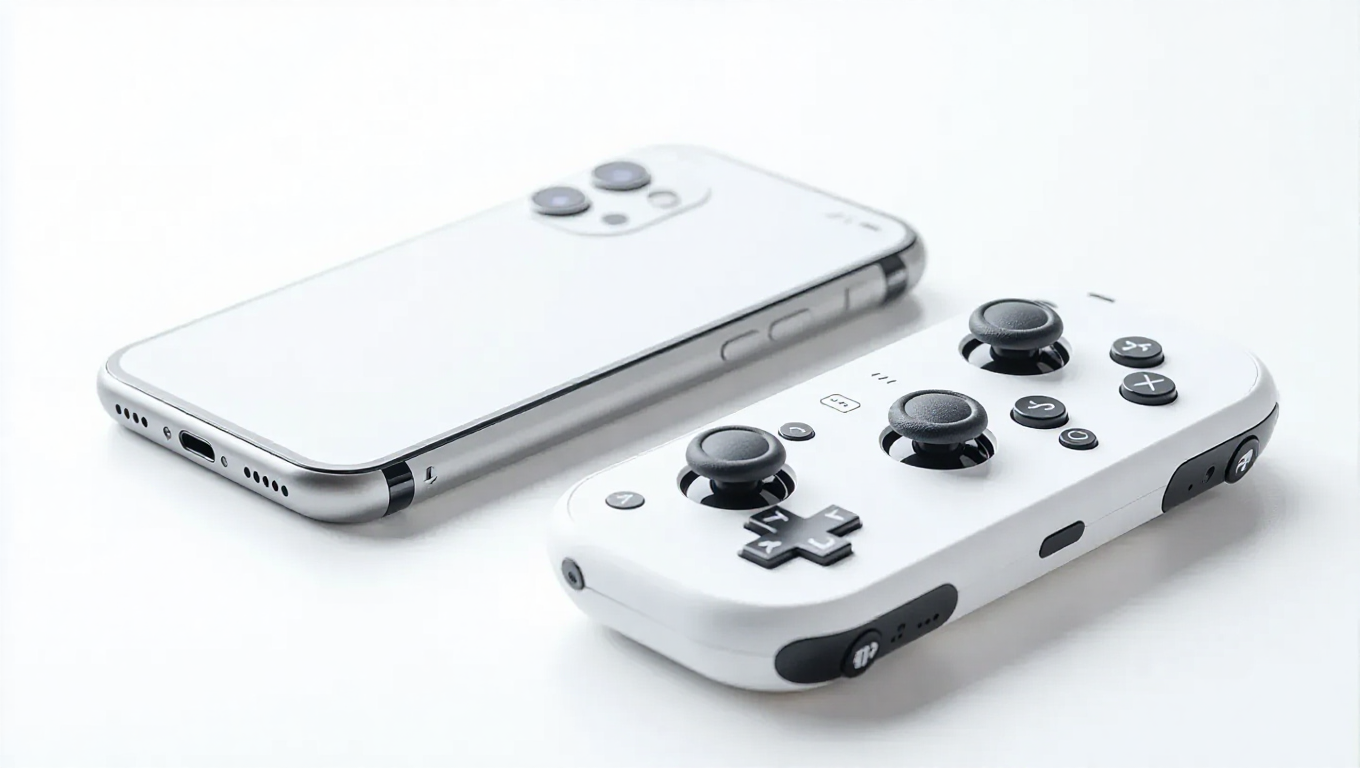
MCON Mobile Controller: A Comprehensive Gaming Solution for Modern Smartphones
Mobile gaming has evolved dramatically, yet finding a controller that seamlessly integrates with modern smartphones has remained a challenge. The MCON controller emerges as a potential solution, leveraging magnetic technology and innovative design to address this gap.
Evolution from Concept to Cross-Platform Solution
Originally introduced over two years ago with a focus on Apple devices, the MCON controller has expanded its compatibility significantly. While it retains MagSafe magnetic attachment capabilities, the proliferation of magnetic technology across smartphone brands has enabled broader adoption. The controller now supports multiple platforms, including Google Pixel devices that feature similar magnetic systems.
Innovative Sliding Design
The controller's sliding mechanism represents a significant departure from traditional clip-on designs. This approach draws inspiration from historical gaming devices like the PSP Go and Xperia Play, offering a more integrated feel than accessories that simply attach to phone edges. The sliding action provides a secure connection while maintaining portability, addressing common concerns about bulkiness in mobile gaming accessories.
Magnetic Integration as a Key Feature
Magnetic attachment has become increasingly common in smartphone design, and the MCON controller capitalizes on this trend. Rather than relying on clamps or cases that can interfere with phone functionality, the magnetic connection offers quick attachment and detachment while maintaining a low profile. This approach suggests a recognition that magnetic systems are becoming standard features rather than proprietary technologies.
Addressing Diverse Gaming Needs
The controller's design philosophy appears centered on versatility. By supporting multiple platforms and utilizing a sliding mechanism, it aims to serve various gaming scenarios without requiring different accessories for different devices. This approach could potentially reduce the fragmentation that often plagues mobile gaming accessories, where compatibility issues limit usability across device ecosystems.
Conclusion
The MCON controller represents an interesting evolution in mobile gaming accessories, combining nostalgic design elements with modern magnetic technology. Its transition from an Apple-focused accessory to a more versatile solution reflects broader trends in smartphone standardization. While the true test will come from hands-on experience across various gaming scenarios, the controller's design principles suggest a thoughtful approach to addressing the practical challenges of mobile gaming. As magnetic technology becomes more widespread across smartphone brands, accessories that leverage this feature may become increasingly common, potentially changing how gamers interact with their mobile devices.