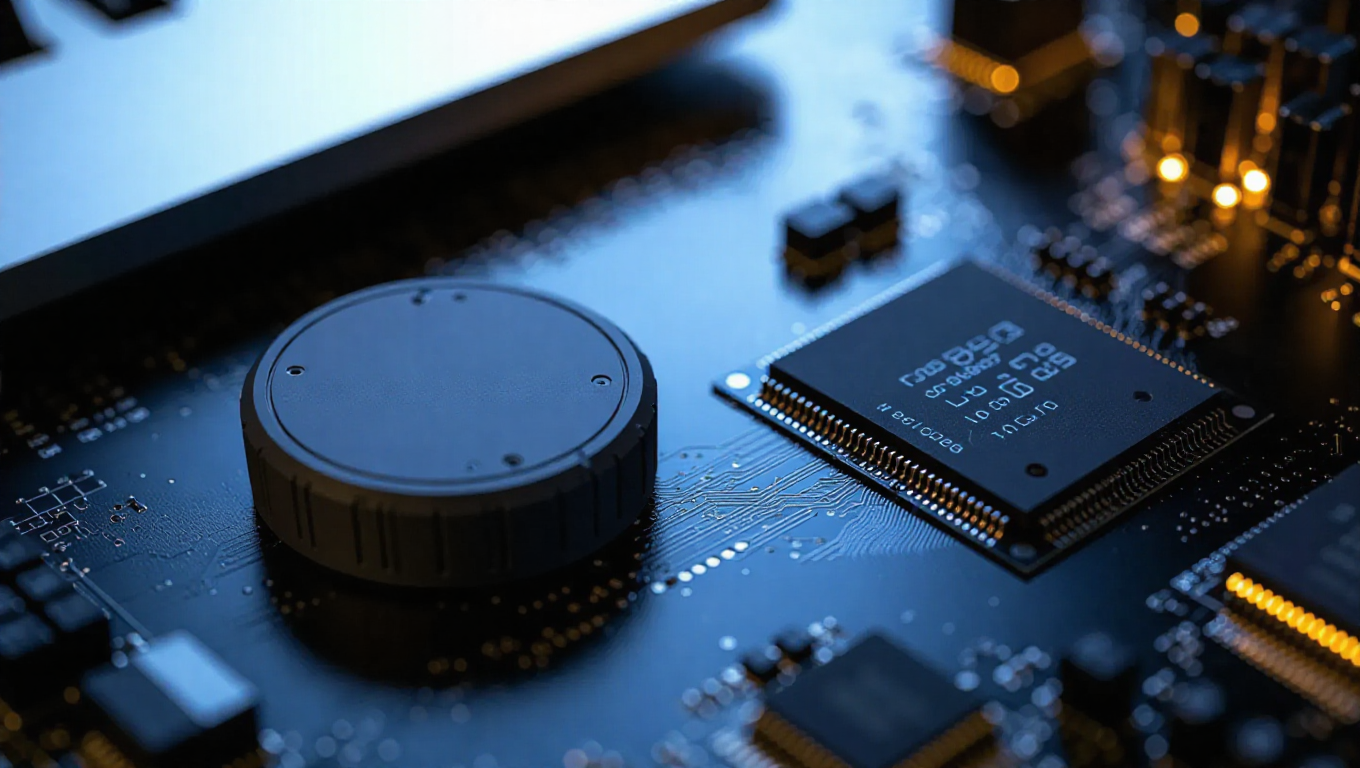
Kode Dot ESP32 Device Evokes Flipper Zero's Approachable Hacker Spirit
In the world of hardware tinkering and security exploration, certain devices stand out not just for their capabilities, but for the feeling of accessibility and discovery they inspire. The Flipper Zero famously carved a niche by demystifying the complex landscape of radios, tags, and obscure protocols, packaging it into a handheld, user-friendly tool. Now, a new contender, the ESP32-powered Kode Dot, is sparking similar excitement among enthusiasts and analysts.
A Familiar Sense of Exploratory Potential
The core appeal of the Kode Dot appears to stem from its philosophical alignment with devices like the Flipper Zero. Rather than focusing solely on raw power or a specific function, its value is framed around making a messy, technical domain feel tangible and approachable. The device is seen as a gateway, lowering the barrier to entry for experimenting with wireless communications and embedded systems. This approach transforms it from a mere tool into a hands-on learning platform and a practical testbed for security concepts.
ESP32 Foundation and Compact Form
Built around the versatile and widely-supported ESP32 microcontroller, the Kode Dot leverages a proven platform known for its strong wireless capabilities (Wi-Fi and Bluetooth) and a vast ecosystem of development tools and community projects. This foundation suggests the device is positioned for customization and a wide range of potential applications, from simple RFID emulation to more complex network probing or IoT prototyping. Its reported compact, "dot"-like form factor emphasizes portability and discreet experimentation, further enhancing its appeal as a personal exploration device.
Positioning in the Tinkering Landscape
Initial impressions position the Kode Dot not as a direct competitor to more comprehensive tools, but as a spiritual successor in fostering a specific mindset. It captures the essence of what made earlier devices compelling: the joy of discovery and the empowerment that comes from interacting directly with the invisible digital layers of the world. For hobbyists, students, or security professionals seeking an affordable and intuitive entry point into hardware-based exploration, the Kode Dot represents a promising new option that prioritizes experience and approachability alongside technical function.
Conclusion: Accessibility as a Core Feature
The emergence of the Kode Dot underscores a continuing trend in the maker and security communities: a high value placed on devices that educate and engage as much as they perform. By evoking the same foundational feeling as the Flipper Zero—turning complexity into a hands-on, understandable adventure—the Kode Dot has successfully captured attention. Its success will likely depend on how well its ESP32 backbone and community support can deliver on that promise of accessible exploration, potentially carving out its own unique space in the toolkit of the curious technologist.