iPhone Fold vs Galaxy Z Fold 7: Leaked Dimensions Reveal a Battle of Shapes
The foldable smartphone market is poised for a significant shift as leaked schematics suggest Apple's long-rumored iPhone Fold will introduce a distinct form factor that diverges from established designs. While Samsung's Galaxy Z Fold 7 continues to refine the tall, narrow profile that has defined the category, Apple appears to be charting a different course with a more square-ish device that could reshape user expectations.
Diverging Design Philosophies
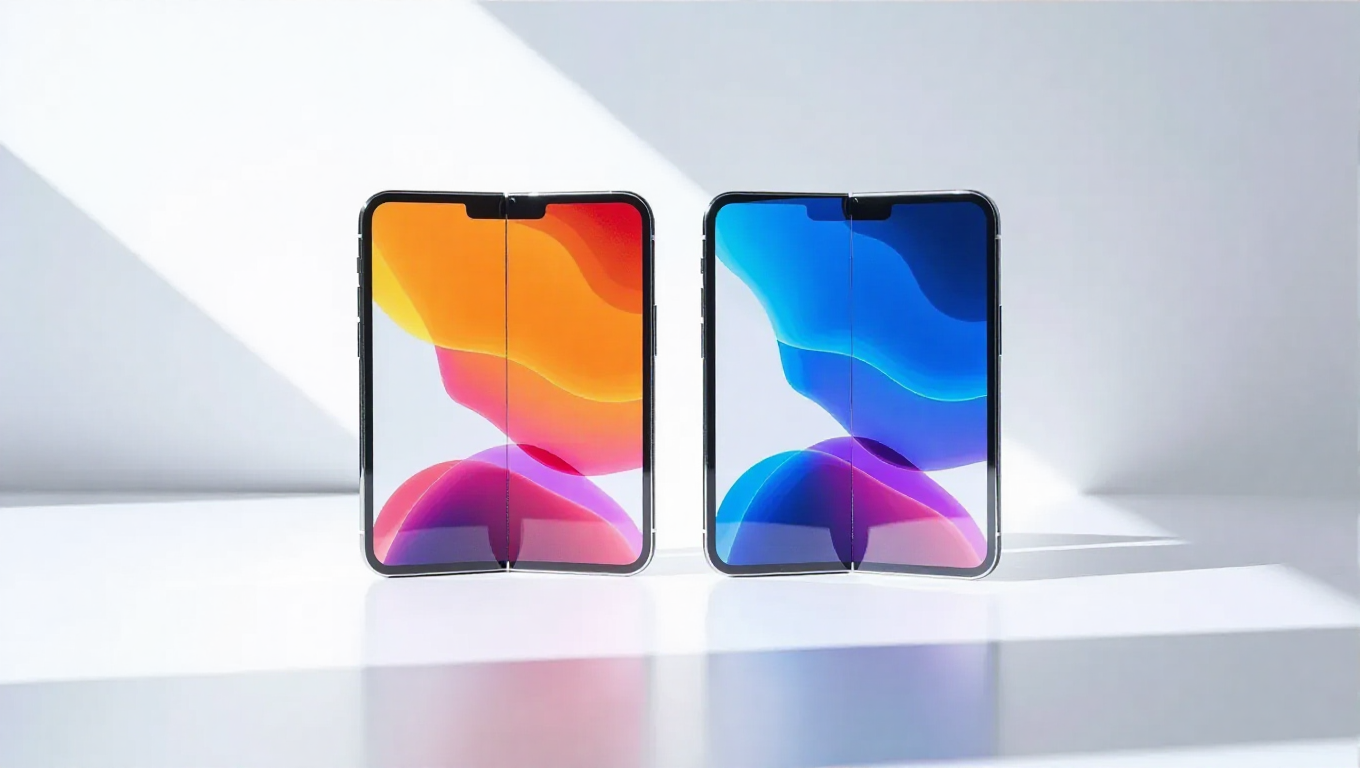
Recent leaks indicate the iPhone Fold will feature a compact cover screen paired with a larger interior display that mimics the proportions of an iPad Mini. This square-ish form factor represents a departure from the elongated designs that have dominated the foldable market. The device is rumored to be wider than Google's Pixel Fold but may not achieve the same thinness as Samsung's upcoming Galaxy Z Fold 7.
This design approach suggests Apple is prioritizing a different user experience, potentially focusing on media consumption and productivity applications that benefit from a more tablet-like aspect ratio when unfolded. The compact outer screen could serve primarily for notifications and quick interactions, while the interior display would function as a true mini-tablet replacement.
Market Implications and Timing
The introduction of Apple's foldable device would mark a significant moment for the category, potentially accelerating mainstream adoption. While Samsung has established the Galaxy Z Fold line as the premium foldable standard, Apple's entry could bring its signature ecosystem integration and software optimization to the form factor.
Reports suggest Apple may announce the iPhone Fold by late 2026, though production ramp-up challenges could mean shipments don't stabilize until mid-to-late 2027. This timeline gives Samsung multiple generations to refine the Galaxy Z Fold line before facing direct competition from Apple in the foldable space.
Technical Considerations
The leaked dimensions raise questions about ergonomics and usability. A square-ish foldable would handle differently than current tall designs, potentially affecting one-handed use when folded and multitasking capabilities when unfolded. Apple's approach to the hinge mechanism, display durability, and software adaptation will be critical factors in determining whether this unconventional shape represents an innovation or a compromise.
Samsung's Galaxy Z Fold 7, meanwhile, is expected to continue refining the established formula with improvements to durability, weight reduction, and software features that leverage the tall aspect ratio for enhanced productivity.
Conclusion
The emerging battle between Apple's rumored iPhone Fold and Samsung's Galaxy Z Fold 7 represents more than just competition between two tech giants—it's a clash of design philosophies that could define the future of foldable devices. Apple's square-ish approach challenges the prevailing tall form factor, potentially opening new use cases and appealing to different user preferences. As these devices move closer to reality, the foldable market appears ready to evolve beyond a single dominant design, offering consumers genuine choice in how they want their devices to fold, unfold, and function in their daily lives.
While Samsung continues to lead the category it helped create, Apple's entry could validate foldable technology for a broader audience and push the entire industry toward more diverse form factors. The coming years will reveal whether consumers prefer the familiar tall design or embrace Apple's alternative vision for foldable smartphones.