iPhone Case with Second Screen for Selfies: A Feature Android Should Adopt
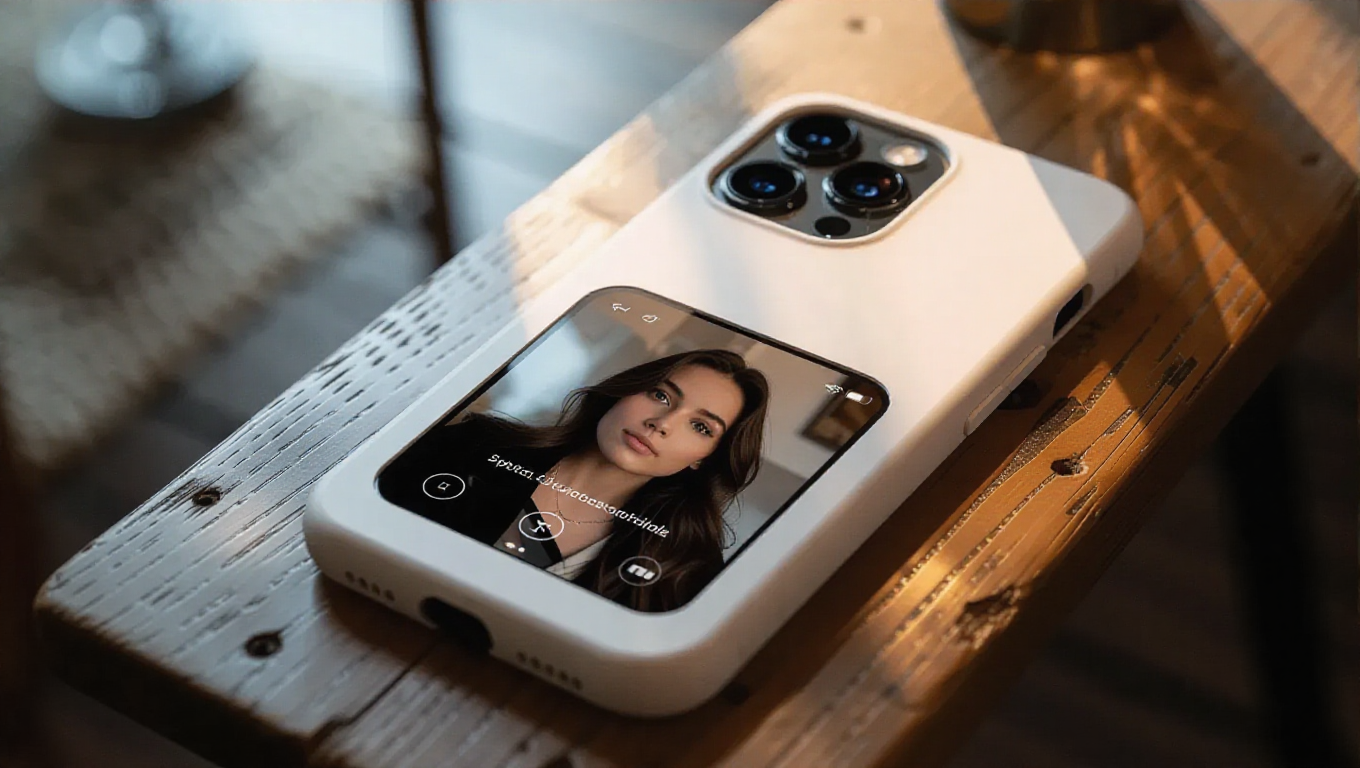
In the competitive world of smartphone accessories, a new iPhone case has emerged with a unique twist: a secondary display dedicated to selfie previews. This innovation allows users to take selfies using their phone's primary rear camera, potentially improving photo quality. While currently designed for a specific iPhone model, the concept has sparked discussion about its applicability to Android devices.
Innovative Design for Enhanced Selfies
The case integrates a small secondary screen that acts as a viewfinder when taking self-portraits. This setup enables users to utilize the higher-quality primary camera instead of the front-facing camera, which often has lower specifications. The design addresses a common pain point for selfie enthusiasts who want better image quality without compromising on framing and composition.
Beyond the display feature, the case reportedly includes practical additions like a built-in slot for expandable storage via microSD card, supporting capacities up to 2TB. This combination of display innovation and functional storage expansion creates a multifaceted accessory that goes beyond basic protection.
Potential for Android Adaptation
Although currently exclusive to iPhone models, the core concept of a secondary display for selfie previews presents an opportunity for Android manufacturers. Android devices, with their diverse form factors and larger market share, could benefit significantly from similar accessories. The modular nature of many Android phones might even allow for more seamless integration of such features.
The technology behind the secondary display isn't fundamentally platform-specific. With Android's open ecosystem and history of accessory innovation, adapting this concept could be technically feasible. It represents a convergence of hardware accessory design and smartphone photography enhancement that aligns with current consumer trends toward better mobile photography tools.
Market Implications and Future Possibilities
The introduction of this case highlights how third-party accessories can extend smartphone functionality in ways manufacturers might not initially anticipate. It demonstrates that significant photography improvements don't always require internal hardware upgrades; sometimes, clever external solutions can achieve similar results.
For the Android market, where accessory ecosystems are particularly vibrant, this concept could inspire similar products or even influence first-party design decisions. The success of such accessories often prompts manufacturers to incorporate popular features directly into future device designs, potentially leading to phones with built-in secondary displays for photography purposes.
Conclusion
The iPhone case with a secondary selfie display represents an innovative approach to mobile photography enhancement. While currently limited to specific Apple devices, the underlying concept has clear potential for Android adaptation. As smartphone photography continues to be a key purchasing factor for consumers, accessories that creatively improve the experience deserve attention from both accessory makers and device manufacturers across all platforms. The blend of practical photography improvement with additional functionality like expanded storage makes this a noteworthy development in smartphone accessory design.