iPhone Air Modified to Add Physical SIM Slot in Clever Hardware Hack
Apple's iPhone Air, launched as the company's first globally eSIM-only smartphone, has been the subject of an impressive hardware modification that adds a physical SIM slot. This mod demonstrates how third-party technicians are finding ways to work around Apple's design decisions to meet user preferences for traditional SIM cards.
The Modification Process
The modification reportedly originated from an electronics store in Shenzhen's Huaqiangbei market, a well-known hub for electronics modification and repair. The key to making space for the SIM slot involved replacing the iPhone Air's original Taptic Engine vibration motor with a significantly smaller unit. This space-saving solution allowed technicians to install both a SIM card reader and the physical slot itself while maintaining basic haptic feedback functionality.
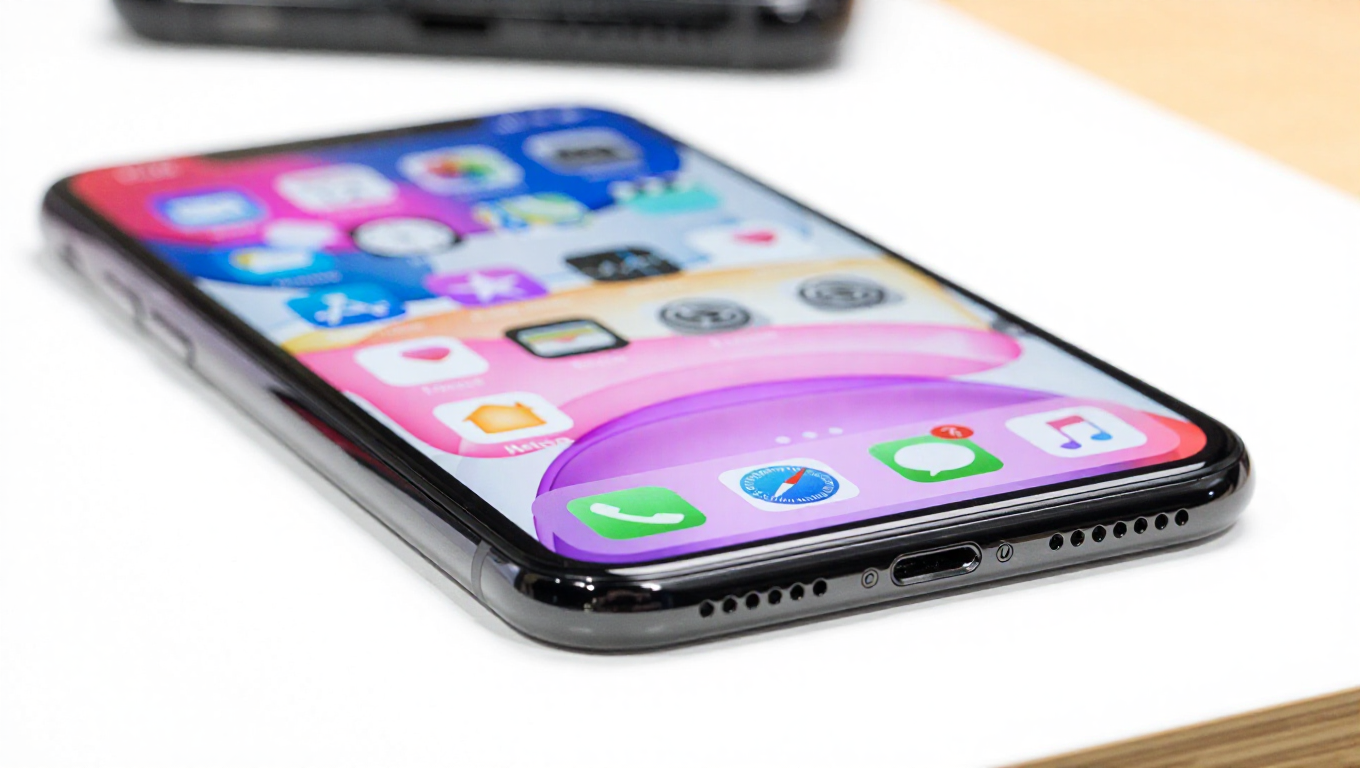
Images from the modification show the SIM slot positioned next to the USB-C port, with one photo displaying the phone running a China Telecom SIM card. Another image reportedly shows the modified device successfully making a phone call, suggesting the modification maintains core telephony functions.
Functionality and Implications
Perhaps most impressively, the modified iPhone Air reportedly retains its IP68 ingress protection rating, meaning the water and dust resistance remains intact despite the hardware alteration. The device also reportedly maintains full 5G mobile data access, indicating that the modification doesn't compromise network connectivity.
This modification highlights ongoing consumer interest in physical SIM cards despite the industry's gradual shift toward eSIM technology. While eSIMs offer convenience for switching carriers digitally and reduce physical components within devices, some users prefer physical SIM cards for various reasons including easier device swapping, compatibility with older systems, and privacy considerations.
Technical Achievement
The successful integration of a physical SIM slot into the iPhone Air's compact design represents a significant technical achievement. The iPhone Air's slim profile and internal layout presented substantial challenges for adding additional hardware components. The solution of replacing the Taptic Engine with a smaller alternative demonstrates creative problem-solving within tight spatial constraints.
This modification also raises questions about future smartphone design trends. As manufacturers continue to minimize internal components and maximize space efficiency, third-party modifications like this one show that determined technicians can still find ways to alter even the most integrated designs.
Conclusion
The modified iPhone Air with a physical SIM slot represents an interesting intersection of manufacturer design decisions and consumer modification culture. While Apple has moved decisively toward eSIM-only configurations with the iPhone Air, this modification demonstrates that physical SIM functionality can be restored through clever engineering. The successful retention of water resistance and 5G connectivity makes this particular modification particularly noteworthy, though such alterations would likely void warranties and require technical expertise most users don't possess. As the smartphone industry continues to evolve, similar modifications may become more common as users seek to customize devices to their specific preferences and needs.