iPhone 18 Schedule: When Each Model Might Arrive
Apple's annual iPhone launch is one of the most anticipated events in the tech calendar, typically anchored in September. However, for the upcoming iPhone 18 generation, the release strategy appears poised for evolution. Industry analysis suggests a departure from the consolidated unveiling, moving toward a multi-phase rollout that could see different models arriving at distinct intervals. This approach would mark a significant shift in how Apple introduces its flagship products to the market.
A Staggered Launch Strategy
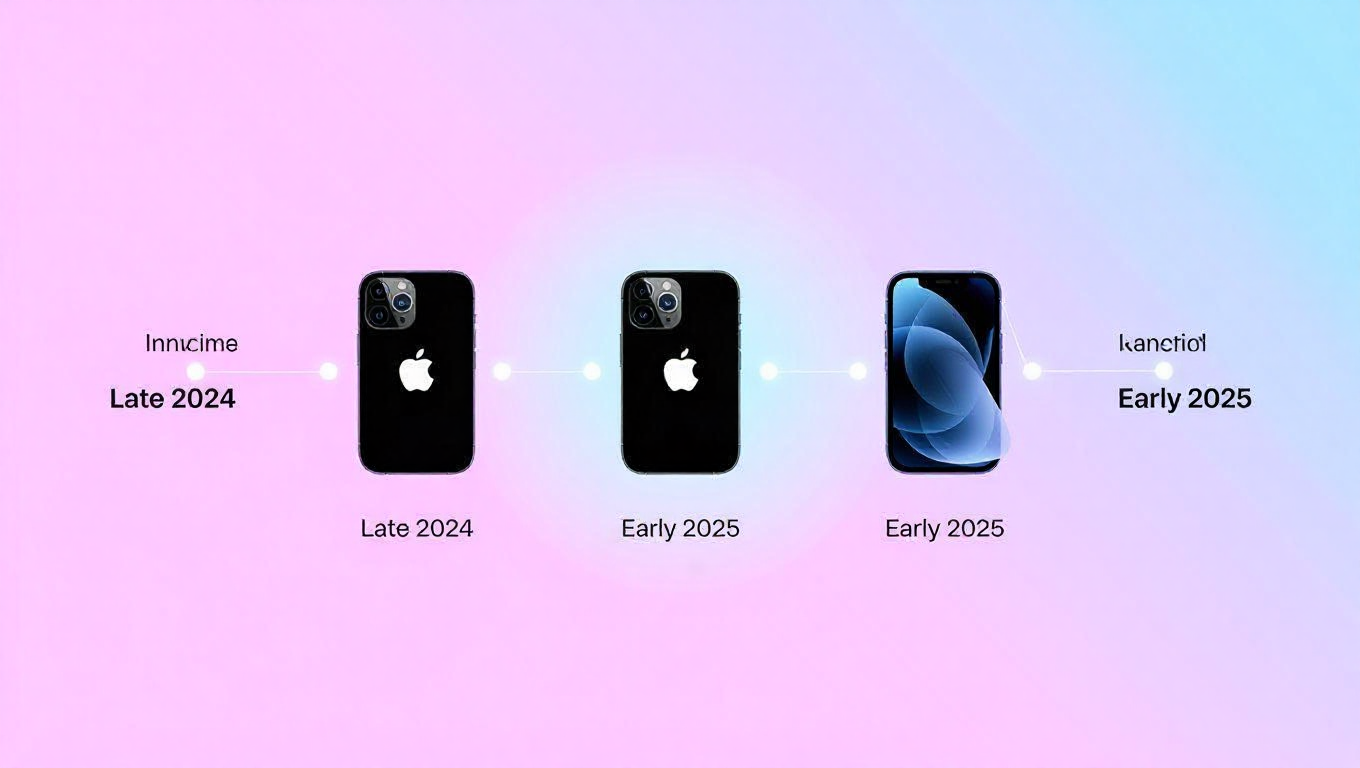
The core expectation is that Apple will not debut all iPhone 18 variants simultaneously. Instead, a phased schedule is likely. The initial wave, presumably featuring the standard iPhone 18 and iPhone 18 Plus models, is projected for its announcement and first availability in the latter part of 2024, aligning with the company's historical late-summer to early-fall window. This would maintain continuity for consumers expecting a yearly refresh.
Following this, the more advanced models—anticipated to be the iPhone 18 Pro and iPhone 18 Pro Max—could see their release scheduled for a slightly later date. This separation allows Apple to segment its marketing efforts, focusing first on the broader consumer base before highlighting the cutting-edge technologies and premium features of the Pro lineup. Such a strategy can sustain media momentum and consumer interest over a longer period.
Potential for New Form Factors
Beyond the established model names, the iPhone 18 cycle is rumored to potentially include new form factors or a significantly redesigned entry. If such a model materializes—whether a foldable device, a new "Ultra" tier, or a radically redesigned standard model—its launch might be positioned on its own timeline. This could mean an unveiling separate from the main iPhone event, perhaps in early 2025, to give it dedicated spotlight and mitigate supply chain complexities associated with novel technology.
Drivers Behind the Schedule Shift
Several factors could be influencing this potential schedule change. Supply chain logistics for increasingly complex and differentiated components may benefit from staggered production ramps. Marketing strategy also plays a role; a prolonged launch period keeps the iPhone in the headlines for months rather than weeks. Furthermore, as Apple's lineup diversifies, launching all models at once can lead to cannibalization, whereas a phased approach can guide consumers through a considered upgrade path from standard to Pro, or to an entirely new category.
Conclusion
While Apple's official plans remain confidential, the pattern of industry reporting points toward a more dynamic launch schedule for the iPhone 18. Consumers should prepare for the possibility of multiple release windows stretching from late 2024 into 2025, rather than a single launch day. This strategy would reflect Apple's adaptation to a more segmented product portfolio and complex global supply chain. The key takeaway is that the "iPhone launch season" may expand into a "launch period," offering different entry points for users based on the specific model and its feature set. As always, all details will be confirmed upon Apple's official announcement.