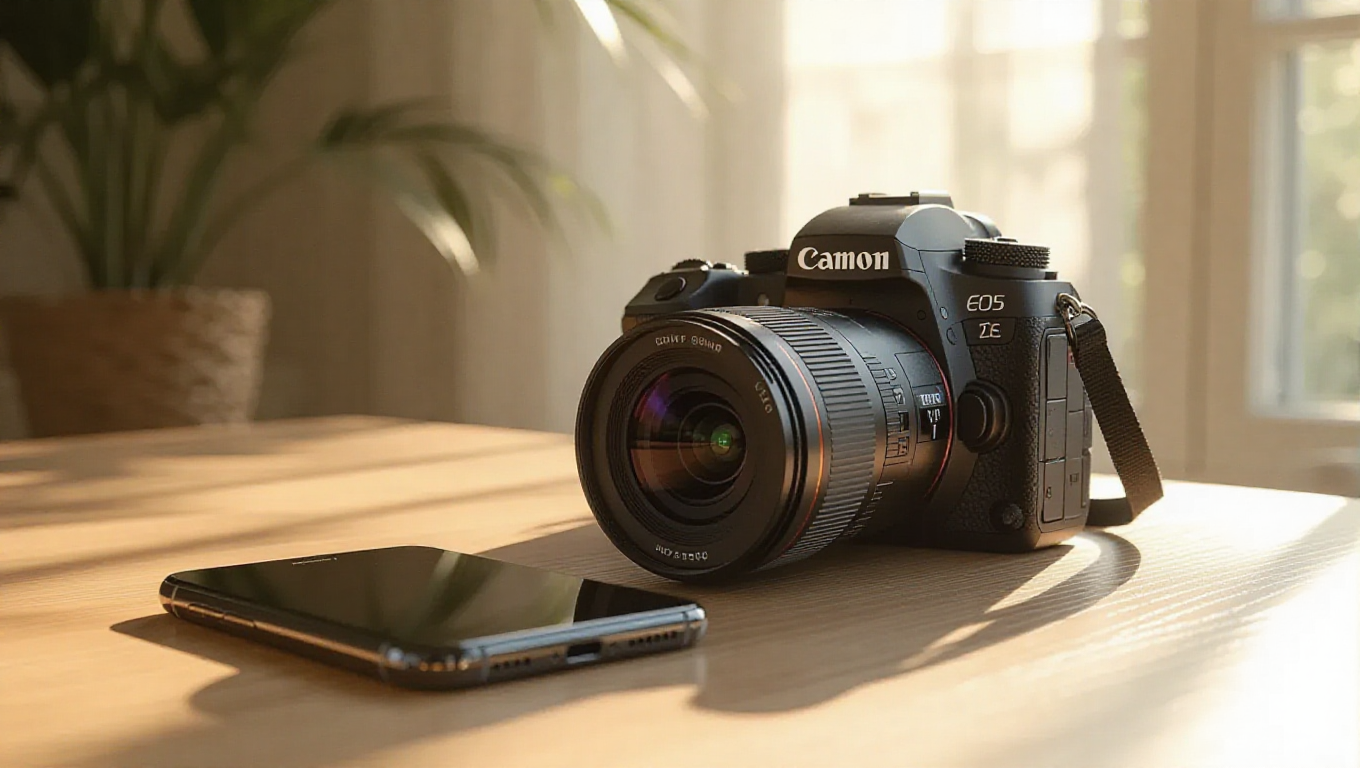
iPhone 17 Pro Camera vs. Dedicated Camera: A Technical Comparison
The line between smartphone and dedicated camera photography continues to blur with each new flagship release. The upcoming iPhone 17 Pro, based on available information, promises significant camera advancements, prompting a direct comparison against a traditional interchangeable-lens camera system. The findings highlight both the remarkable convergence and the persistent gaps between these tool categories.
Performance in Everyday and Computational Photography
For the vast majority of users and everyday shooting scenarios, the iPhone 17 Pro's camera system is expected to deliver exceptional results that rival or surpass entry-level dedicated cameras. Its strength lies in computational photography—the seamless integration of hardware with intelligent software. Features like Deep Fusion, Smart HDR, and advanced portrait mode simulations are processed instantly, producing polished, share-ready images with minimal user effort. In well-lit conditions and for standard focal lengths, the output can be strikingly similar, with the smartphone often having the edge in color science and immediate processing.
Where the Dedicated Camera Still Dominates
Despite the smartphone's prowess, dedicated cameras maintain clear advantages in specific, demanding photographic disciplines. The most significant difference is in low-light and high-dynamic-range situations. A larger sensor and the ability to use a fast prime lens allow a dedicated camera to capture more light with less digital noise, preserving detail in shadows and highlights more naturally than computational methods can reconstruct.
Furthermore, optical zoom remains a distinct frontier. While the iPhone 17 Pro will likely feature an advanced multi-lens array with impressive digital cropping capabilities, it cannot match the true optical reach and image quality of a dedicated telephoto lens. For sports, wildlife, or any scenario requiring distant subjects, the dedicated system is superior. Additionally, dedicated cameras offer greater creative control over depth of field and motion (via shutter speed) without relying on software simulation.
The Verdict: Convergence with Clear Distinctions
The comparison underscores a now-familiar narrative: smartphones have become astonishingly capable all-in-one imaging devices, perfect for convenience, speed, and social sharing. The iPhone 17 Pro will almost certainly continue this trend, making professional-looking photography accessible to all. However, for photographers who prioritize ultimate image quality, specific optical capabilities, and granular creative control—especially in challenging light or at long distances—a dedicated camera system still provides tangible benefits that computational photography has yet to fully bridge. The choice ultimately hinges on the user's priorities: unparalleled convenience and intelligent automation versus specialized optical performance and manual control.