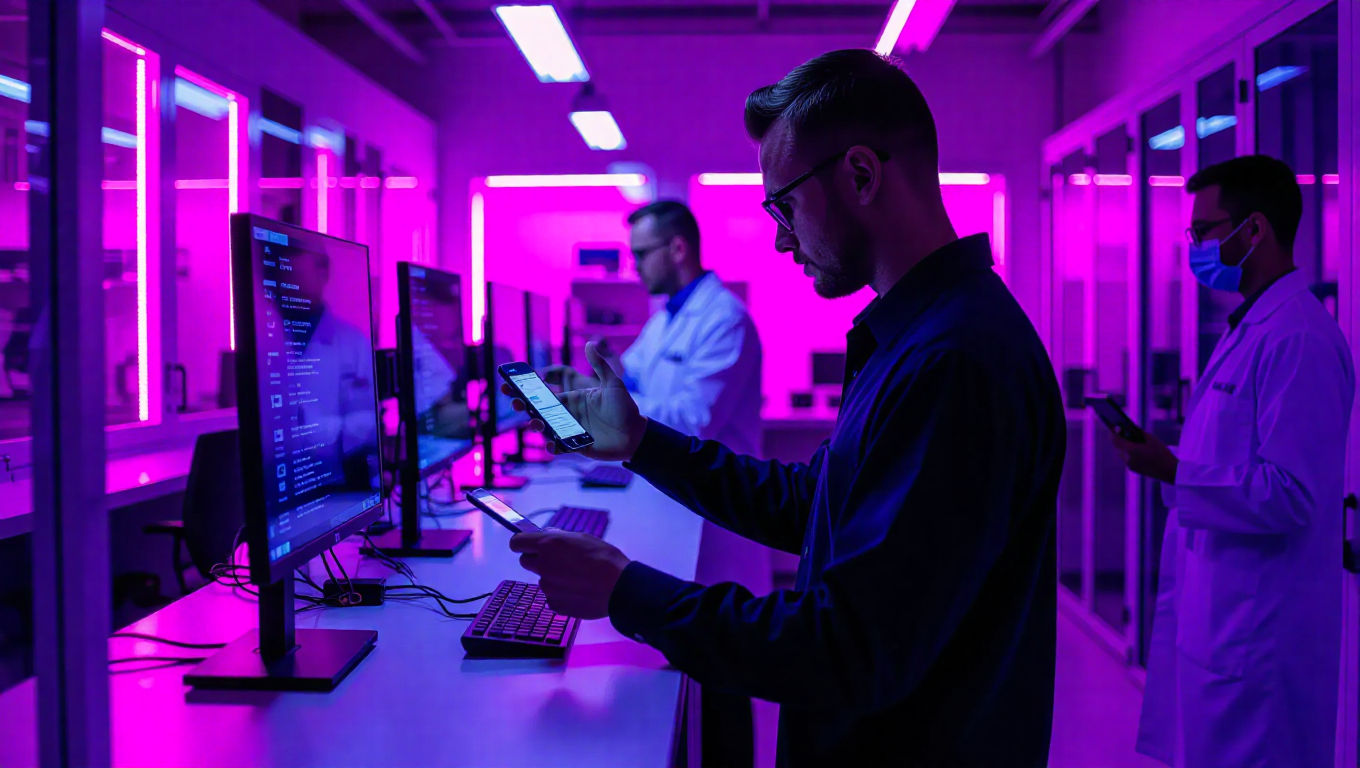
Inside Google's Secretive Pixel Hardware Labs: A Rare Glimpse at Smartphone Innovation
For over a decade, technology journalists have visited countless smartphone assembly lines, design studios, and manufacturing hubs—places where the devices we use daily are built, tested, and refined long before reaching consumers. There's a unique fascination in witnessing the meticulous work of industry experts and understanding the precision behind products millions will rely on. Recently, an exclusive opportunity emerged to explore one of Google's most guarded facilities: the Pixel Hardware Labs in Taipei, Taiwan, the company's second-largest hardware R&D center outside the United States.
The Heart of Pixel Development
The Taipei facility serves as a critical hub for Pixel smartphone development, where engineers and researchers push hardware to its limits. Unlike typical manufacturing plants focused on mass production, these labs emphasize rigorous testing and refinement. The environment combines cutting-edge technology with meticulous attention to detail, ensuring each Pixel device meets Google's high standards for performance and durability.
Rigorous Testing Protocols
Inside the labs, devices undergo extensive stress tests that simulate real-world conditions. Environmental chambers subject phones to extreme temperatures, humidity, and pressure, verifying they can withstand diverse climates. Touch and display sensitivity tests are conducted using specialized equipment to ensure responsiveness and accuracy, even under challenging conditions like wet fingers or gloved hands. These evaluations help optimize user experience, making Pixels reliable in everyday scenarios.
Focus on Durability and Quality
Durability testing is a cornerstone of the lab's work, with devices subjected to repeated drops, bends, and scratches to assess structural integrity. Materials science plays a key role, as researchers experiment with new composites and coatings to enhance resilience without compromising design. The goal is to create smartphones that not only look sleek but also endure the wear and tear of daily use, aligning with Google's commitment to longevity and sustainability.
Innovation Behind Closed Doors
The labs also serve as incubators for future technologies, where prototypes explore advanced features like improved battery efficiency, enhanced camera systems, and novel form factors. While many projects remain confidential, the facility's output influences the broader Pixel lineup, driving innovations that eventually reach consumers. This behind-the-scenes work underscores Google's dedication to hardware excellence, complementing its software prowess.
Conclusion
Google's Pixel Hardware Labs in Taipei offer a rare window into the meticulous world of smartphone development. Through rigorous testing and innovative research, these facilities ensure that Pixel devices deliver on promises of quality, durability, and user-centric design. As the tech giant continues to expand its hardware ambitions, such labs will likely play an increasingly vital role in shaping the future of mobile technology, blending secrecy with groundbreaking progress.