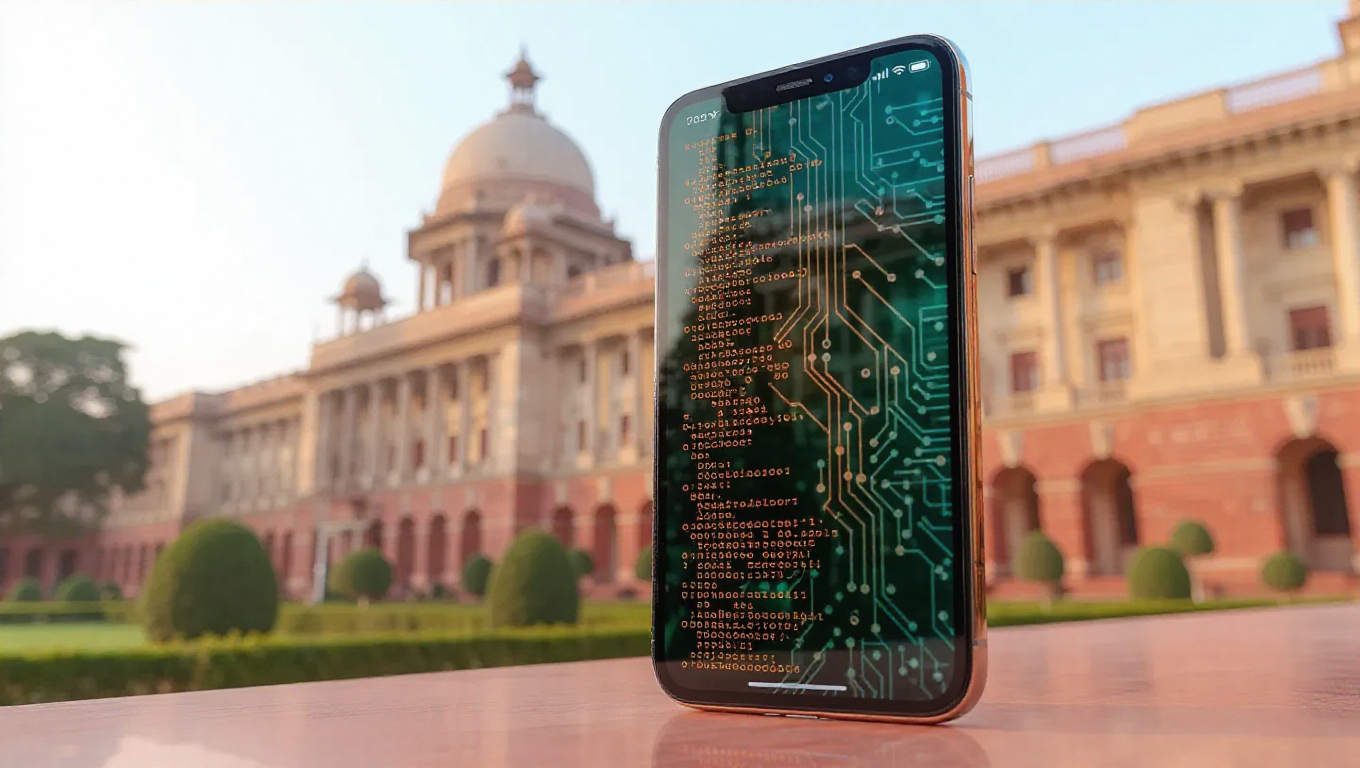
India Proposes Mandatory Source Code Sharing for Smartphone Manufacturers
The Indian government is considering sweeping new security regulations that could fundamentally change how smartphone manufacturers operate in one of the world's largest mobile markets. At the heart of the proposal is a requirement for companies to share their proprietary source code with designated government laboratories for security review.
Security Overhaul Targets Operating System Vulnerabilities
The proposed measures form part of a broader list of 83 security requirements aimed at addressing potential vulnerabilities in smartphone operating systems. Government officials indicate that mandatory source code review would help identify OS-level weaknesses that could be exploited by malicious actors. The requirement would apply to all smartphone manufacturers selling devices in India, regardless of their operating system platform.
Industry response has been swift and critical. The Manufacturers' Association for Information Technology (MAIT), which represents major smartphone original equipment manufacturers including Apple, Samsung, Google, and Xiaomi, has informed government officials that the source code provision is "impossible" to implement. The industry group cites concerns about global privacy standards and corporate secrecy as primary objections to the proposed regulation.
Broader Security Framework Beyond Source Code
The source code requirement represents just one element of a comprehensive security framework under consideration. Additional proposals include mandatory government notification for major software updates, giving users the ability to block applications from accessing camera, microphone, and location data in the background, and allowing consumers to uninstall pre-installed applications except those essential for basic phone functionality.
These measures appear designed to enhance user privacy and security while giving the government greater visibility into the software ecosystem powering millions of devices across the country. The proposals reflect growing global concerns about digital sovereignty and national security in an increasingly connected world.
Implementation Timeline and Industry Consultation
The Indian government has confirmed it will address industry concerns through consultation processes with key smartphone manufacturers. Government officials are expected to enter formal discussions with original equipment manufacturers to negotiate the implementation details of the proposed security standards.
It remains uncertain when or if these proposals will become legally binding requirements. The consultation period will likely determine whether the government modifies its approach or maintains the current framework. The outcome could set important precedents for how governments worldwide balance security concerns with industry innovation and intellectual property rights.
Conclusion
India's proposed smartphone security regulations represent a significant shift in how governments approach digital device oversight. While the source code sharing requirement has drawn the most attention and industry opposition, the broader package of 83 security measures suggests a comprehensive approach to smartphone security. The coming consultations between government officials and technology companies will determine whether India can establish new security standards without stifling innovation or violating corporate intellectual property protections. As one of the world's largest and fastest-growing smartphone markets, India's regulatory decisions could influence global standards for mobile device security and privacy.