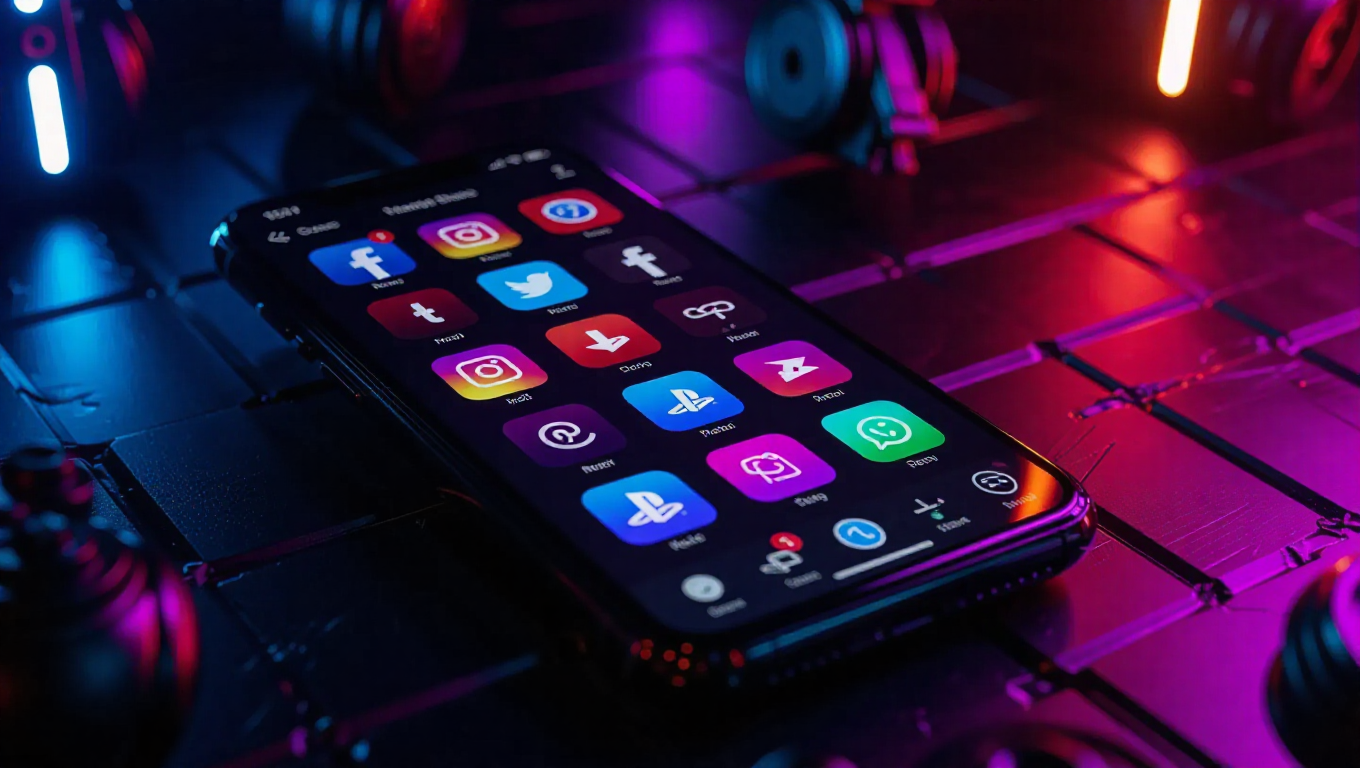
iiSU: The Ambitious Emulation Hub Set to Transform Android Gaming
When it comes to mobile emulation, the experience often feels less like a console and more like navigating through tedious menus and poorly labeled files. While existing frontends attempt to streamline this process, none approach the level of ambition demonstrated by iiSU, an upcoming emulation platform that promises to redefine what's possible on Android devices.
Console-Level Polish Meets Mobile Emulation
First revealed two months ago, iiSU showcases a level of visual polish rarely seen outside first-party hardware from major gaming manufacturers. The platform is being developed by experienced motion graphics designer Eddie Collazo, whose expertise appears to be translating into a remarkably refined user interface that could finally bridge the gap between professional console experiences and mobile emulation.
Recent demonstrations highlight a slick, intuitive interface that moves beyond the traditional file-based navigation that often plagues emulation setups. The design philosophy seems focused on creating a cohesive, console-like experience rather than simply acting as a launcher for various emulation applications.
Comprehensive Feature Set
What sets iiSU apart from existing solutions is its comprehensive approach to the emulation ecosystem. The platform will incorporate RetroAchievements support, allowing users to earn achievements across their retro gaming library—a feature that has become increasingly popular among preservationists and gaming enthusiasts.
Beyond core emulation functionality, iiSU plans to integrate external media support and social features that could transform solitary emulation sessions into shared experiences. The inclusion of a theme shop suggests a commitment to customization and personalization, enabling users to tailor their interface to match their preferences.
Development Timeline and Potential Impact
The application remains under active development, with indications suggesting a public build could become available as early as next Spring. This timeline positions iiSU to potentially capitalize on the growing interest in mobile gaming and emulation, particularly as Android devices continue to gain processing power capable of handling increasingly demanding emulation tasks.
The combination of polished design, social integration, and comprehensive feature set could make iiSU particularly appealing to both casual users looking for an accessible emulation solution and enthusiasts seeking a more robust platform for their retro gaming collections.
Conclusion
iiSU represents a significant step forward in the evolution of mobile emulation platforms. By focusing on user experience, social connectivity, and visual polish, it addresses many of the pain points that have traditionally made emulation feel less accessible than commercial gaming platforms. If the development team can deliver on their ambitious vision, iiSU could indeed become the game-changing emulation hub that Android has been waiting for, potentially setting new standards for how we interact with gaming history on mobile devices.