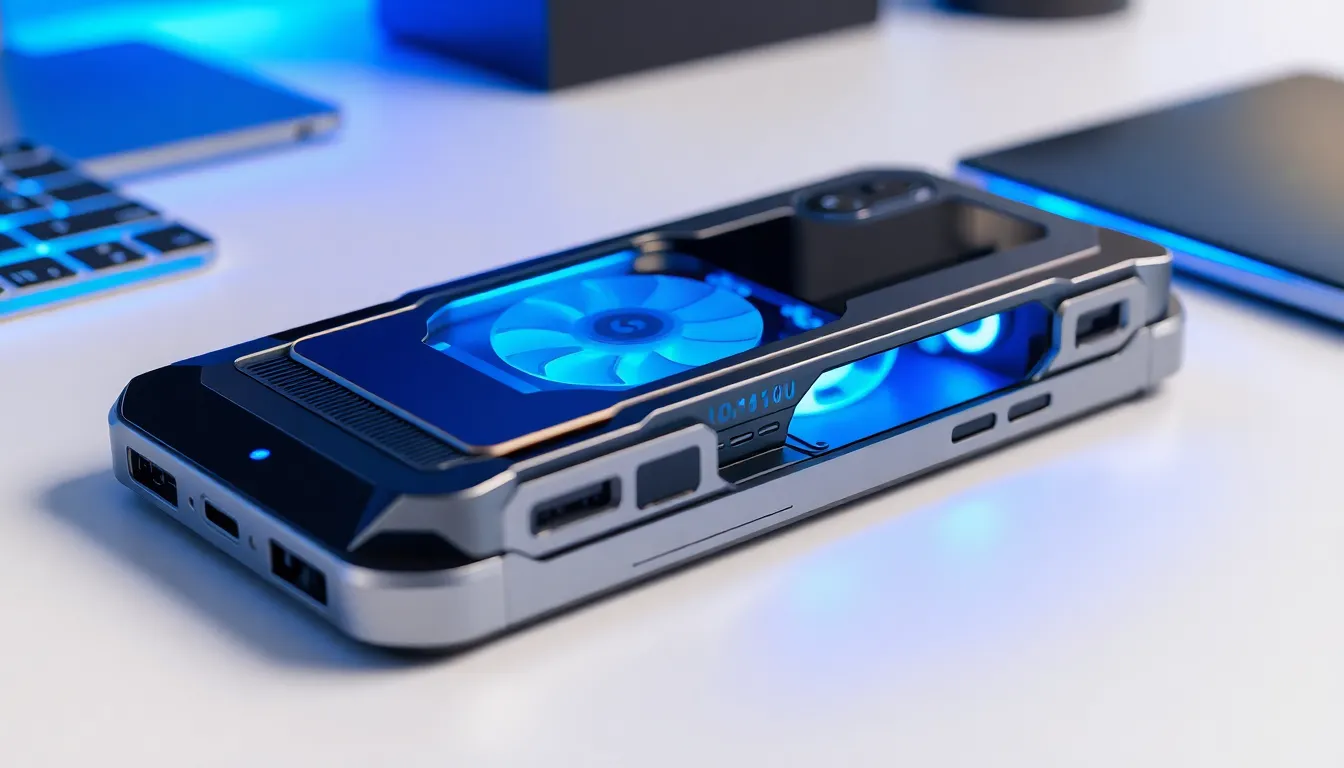
HUAWEI Mate 80 Pro Max Wind Edition: A Flagship with Built-In Cooling Fan
In a market where flagship smartphones often prioritize incremental improvements, HUAWEI has taken a dramatically different approach with its latest release. The Mate 80 Pro Max Wind Edition represents a radical departure from conventional smartphone design, implementing an actual turbofan cooling system to address one of mobile computing's most persistent challenges: thermal management.
The Fan-First Philosophy
The defining feature of this device is its integrated turbofan cooling system, which replaces the passive thermal solutions found in virtually all contemporary smartphones. This active cooling approach represents a significant engineering shift, with the fan dynamically adjusting its speed based on thermal demands. The system works in conjunction with over 1,200 ventilation ports and specialized thermal fins to actively dissipate heat rather than merely containing it.
This design choice directly targets thermal throttling—the performance reduction that occurs when processors overheat. By maintaining lower operating temperatures, the device promises sustained peak performance during intensive tasks like gaming, video editing, and extended computational photography sessions. The implementation suggests a clear prioritization of raw, consistent processing power over traditional design constraints.
The Camera Compromise
This performance-focused approach comes with notable trade-offs, particularly in the camera system. To accommodate the cooling apparatus, HUAWEI has reconfigured the imaging hardware, resulting in a triple-camera setup rather than the more comprehensive systems found in other premium devices. Most significantly, the 6.2x periscope zoom lens has been removed entirely.
This represents a substantial concession for photography enthusiasts who value optical zoom capabilities. While the remaining camera components are likely high-quality, the absence of dedicated telephoto optics limits the device's versatility for certain photographic scenarios. The decision highlights the engineering challenges of integrating active cooling into increasingly compact smartphone form factors.
Market Implications and User Experience
The Wind Edition's approach raises questions about target demographics and use cases. For power users who prioritize sustained performance in demanding applications, the active cooling system could provide tangible benefits that outweigh camera limitations. However, for those who value photographic versatility or prefer more traditional smartphone designs, the compromises may prove too significant.
The device's physical characteristics, including potential noise from the fan and the extensive ventilation system, represent additional considerations. While the cooling solution addresses thermal limitations, it introduces new variables to the user experience that consumers will need to evaluate based on their individual priorities and usage patterns.
Conclusion: A Bold Experiment in Smartphone Design
The HUAWEI Mate 80 Pro Max Wind Edition represents a genuinely innovative approach to smartphone thermal management, challenging industry conventions with its integrated turbofan system. While the performance benefits for sustained workloads are clear, the camera compromises highlight the difficult trade-offs inherent in such radical design choices.
This device serves as a fascinating case study in engineering priorities, demonstrating what becomes possible when manufacturers break from established design paradigms. Whether this fan-first approach represents a niche solution or a potential direction for future flagship development remains to be seen, but it undoubtedly expands the conversation about what smartphones can prioritize and how they can solve fundamental technical limitations.