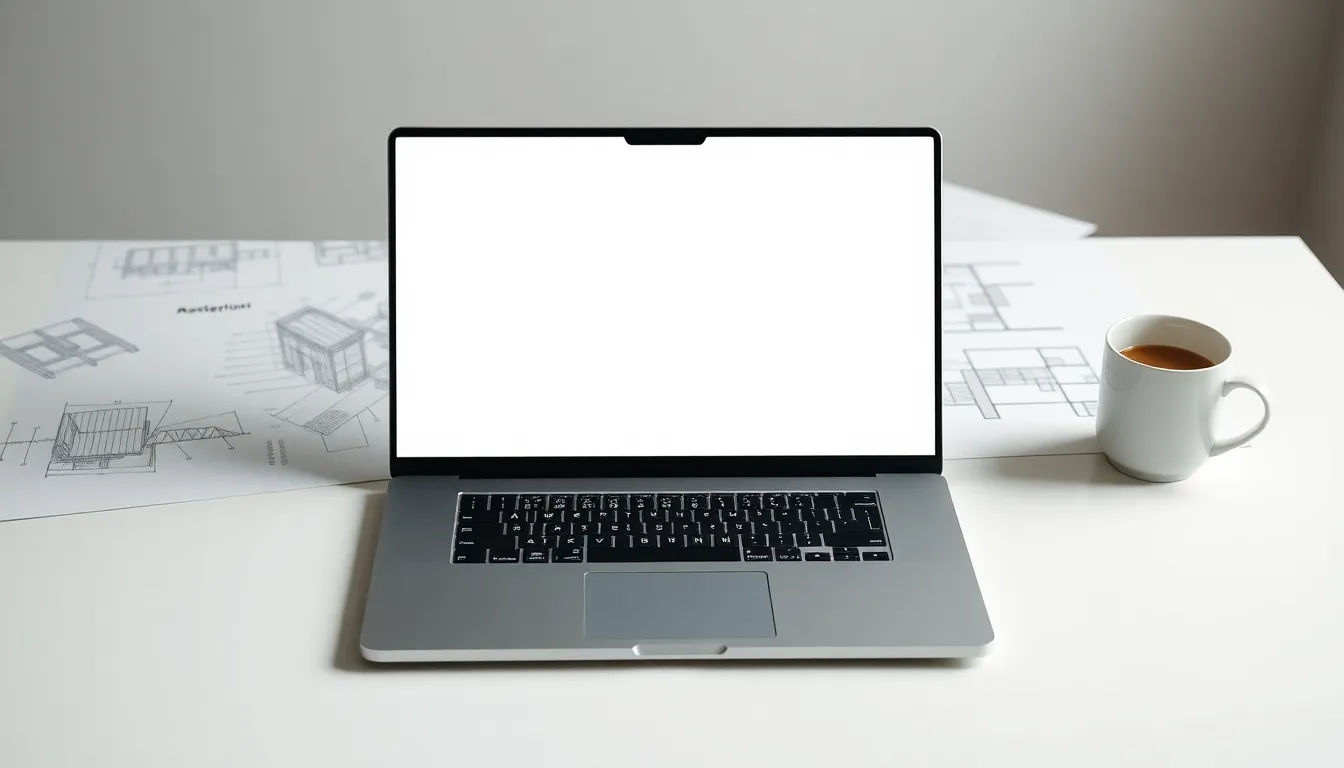
HP ZBook 8 G1i: A Lightweight Powerhouse Redefining Mobile Workstations
For years, mobile workstations have carried a reputation as bulky, heavy machines that sacrificed portability for professional-grade performance. Business users have typically faced a choice between ultralight laptops for basic tasks and significantly chunkier workstations for demanding creative or engineering applications. However, recent technological advancements are challenging this paradigm, and the HP ZBook 8 G1i stands as compelling evidence that power and portability are no longer mutually exclusive.
The Evolution of Mobile Workstation Design
The traditional mobile workstation has been characterized by substantial dimensions and considerable weight, necessary to accommodate powerful processors, dedicated graphics cards, and robust cooling systems. These machines were designed primarily for stationary use with occasional transport, often requiring users to make significant compromises in mobility.
Recent progress in component efficiency, thermal management, and chassis engineering has enabled manufacturers to rethink this approach. Improvements in cooling technology allow high-performance components to operate effectively in smaller spaces, while advances in materials and internal layouts contribute to more compact designs without sacrificing durability or thermal performance.
Professional Performance Meets Enhanced Portability
The HP ZBook 8 G1i exemplifies this new generation of mobile workstations. It delivers the computational power needed for demanding professional tasks—from complex engineering simulations and 3D rendering to video editing and data analysis—while maintaining a form factor that enhances daily portability.
This balance addresses a significant pain point for professionals who require workstation-level capabilities but also need to move between offices, client sites, or work environments. The reduced physical burden makes the device more practical for daily commuting and business travel, potentially increasing productivity by allowing users to bring their full computing power wherever their work takes them.
Implications for Professional Users
The emergence of lighter, more portable workstations like the ZBook 8 G1i represents more than just a convenience improvement. It signals a shift in how professionals can approach mobile computing. Users who previously needed separate machines for mobility and power-intensive tasks may find a single device can adequately serve both purposes.
This convergence could simplify technology procurement and management for businesses while providing individual professionals with greater flexibility. The reduced physical strain of carrying these devices may also contribute to better ergonomics and comfort during transport, addressing concerns that have long accompanied mobile workstation use.
Conclusion: A New Standard for Mobile Workstations
The HP ZBook 8 G1i demonstrates that the era of back-breakingly heavy mobile workstations is coming to an end. Through intelligent engineering and technological innovation, manufacturers are proving that professional-grade performance no longer requires excessive bulk. This development promises to benefit a wide range of users—from architects and engineers to video producers and data scientists—who need powerful computing capabilities without sacrificing mobility.
As this trend continues, we can expect to see further refinement in mobile workstation design, with even better performance-to-weight ratios and enhanced portability features. The ZBook 8 G1i represents an important milestone in this evolution, showing that when it comes to professional mobile computing, power and portability can indeed coexist.