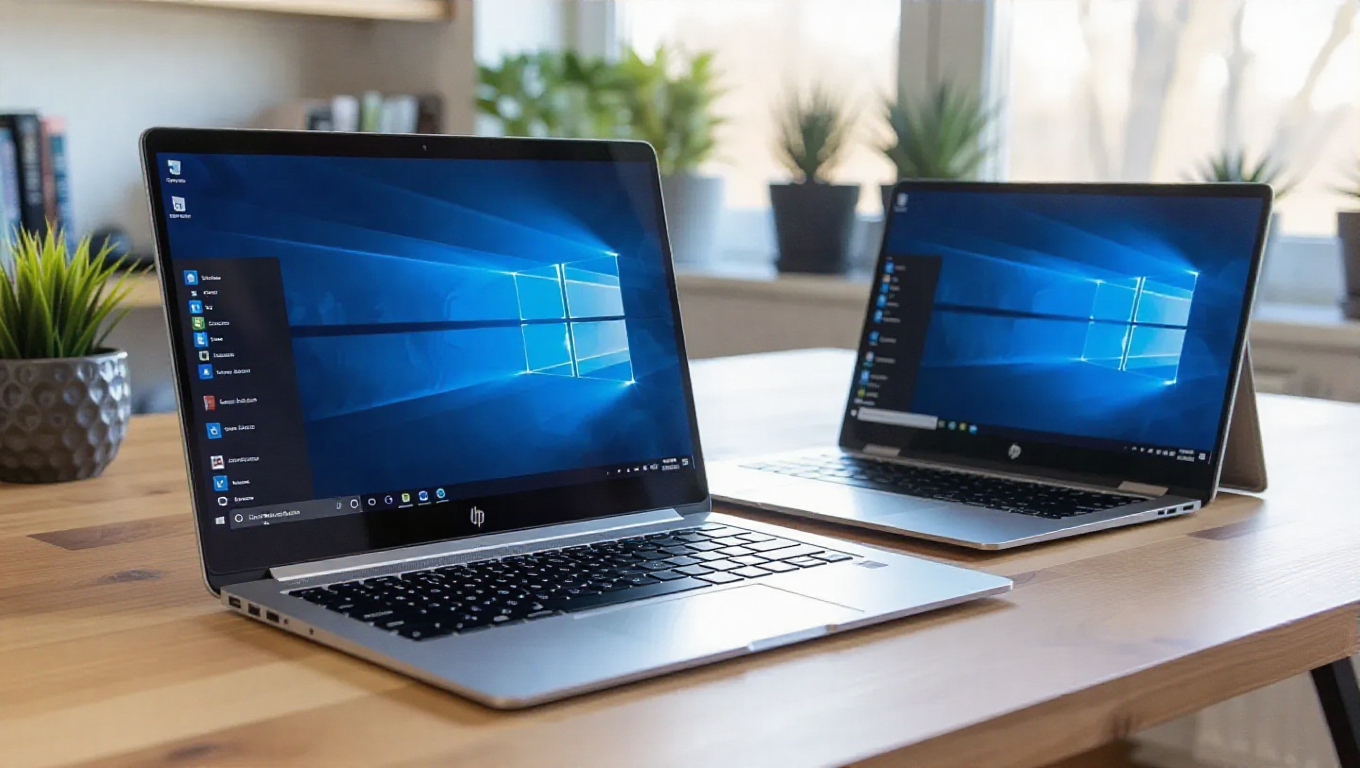
HP OmniBook X Flip Comparison: Choosing Between Two Premium Convertibles
After a month of hands-on testing with two different HP OmniBook X Flip configurations, the decision between these premium convertibles proves more complex than expected. The OmniBook X Flip represents HP's rebranded successor to the beloved Spectre x360 line, carrying forward the company's reputation for premium 2-in-1 devices that balance performance and versatility.
Minimal Compromises in Lower-Tier Model
What stands out most during extended testing is how little HP has compromised to reach the lower price point. The more affordable OmniBook X Flip variant maintains the core experience that earned its higher-end sibling top accolades as laptop of the year. The build quality, display options, and convertible functionality remain largely intact across both configurations.
The differences emerge in subtle but meaningful ways. Processor performance variations, memory configurations, and storage options create distinct user experiences without fundamentally altering the device's premium feel. For everyday tasks and moderate creative work, both models deliver smooth, responsive performance that justifies their position in the premium convertible market.
Design and Build Consistency
Both OmniBook X Flip models share identical chassis designs and construction quality. The signature 360-degree hinge operates smoothly, allowing seamless transitions between laptop, tablet, tent, and presentation modes. The aluminum unibody construction feels solid and premium in hand, with no discernible difference between the two variants.
Display quality remains consistently excellent across both configurations, with vibrant colors and sharp detail that make both devices suitable for content consumption and creative work. The touchscreen responsiveness and included active pen support work identically, ensuring the same premium tablet experience regardless of which model users choose.
Performance Considerations
The performance gap between the two models proves narrower than typical laptop tier differences. While the higher-end configuration naturally handles more demanding workloads with greater ease, the lower-tier model surprises with its capability to manage most productivity tasks, multimedia consumption, and light creative work without noticeable strain.
Battery life remains impressive across both configurations, with both devices easily lasting through a full workday of mixed usage. The efficiency of the underlying architecture ensures that even the more affordable model delivers reliable all-day performance that mobile professionals demand.
Making the Choice
The decision ultimately comes down to specific use cases and budget considerations. For users focused on standard productivity, web browsing, and media consumption, the lower-tier model provides nearly identical experience at a more accessible price point. Those requiring maximum performance for demanding applications or future-proofing their investment may find the premium configuration worth the additional cost.
The minimal compromises in the more affordable model make it an attractive option for budget-conscious buyers who still want premium build quality and convertible functionality. Meanwhile, power users will appreciate the extra headroom offered by the higher-end configuration.
Conclusion
After extensive testing, both HP OmniBook X Flip models demonstrate why this product line continues to set standards in the premium convertible category. The challenge in choosing between them stems from HP's success in preserving core premium features across price points. Rather than a clear winner, the decision becomes one of matching specific needs with the right configuration.
For most users, the more affordable model delivers exceptional value without significant compromise. Power users and those planning to keep their device for several years may find the additional investment in the higher-end configuration justified. Either way, both OmniBook X Flip variants represent strong contenders in the competitive premium convertible market.