How Samsung's Galaxy S26 Ultra Privacy Display Technology Works
Among the numerous innovations in Samsung's latest flagship smartphone lineup, one feature has captured particular attention: the Privacy Display on the Galaxy S26 Ultra. This technology represents a significant advancement in screen privacy, offering users control over who can view their screen content in public spaces.
The Privacy Display Mechanism
The Privacy Display feature operates fundamentally differently from traditional privacy solutions. Unlike physical privacy screen protectors that permanently alter viewing angles, Samsung's implementation is entirely software-controlled. Users can toggle the privacy effect on and off through the device's settings, providing flexibility that wasn't previously available in mainstream smartphones.
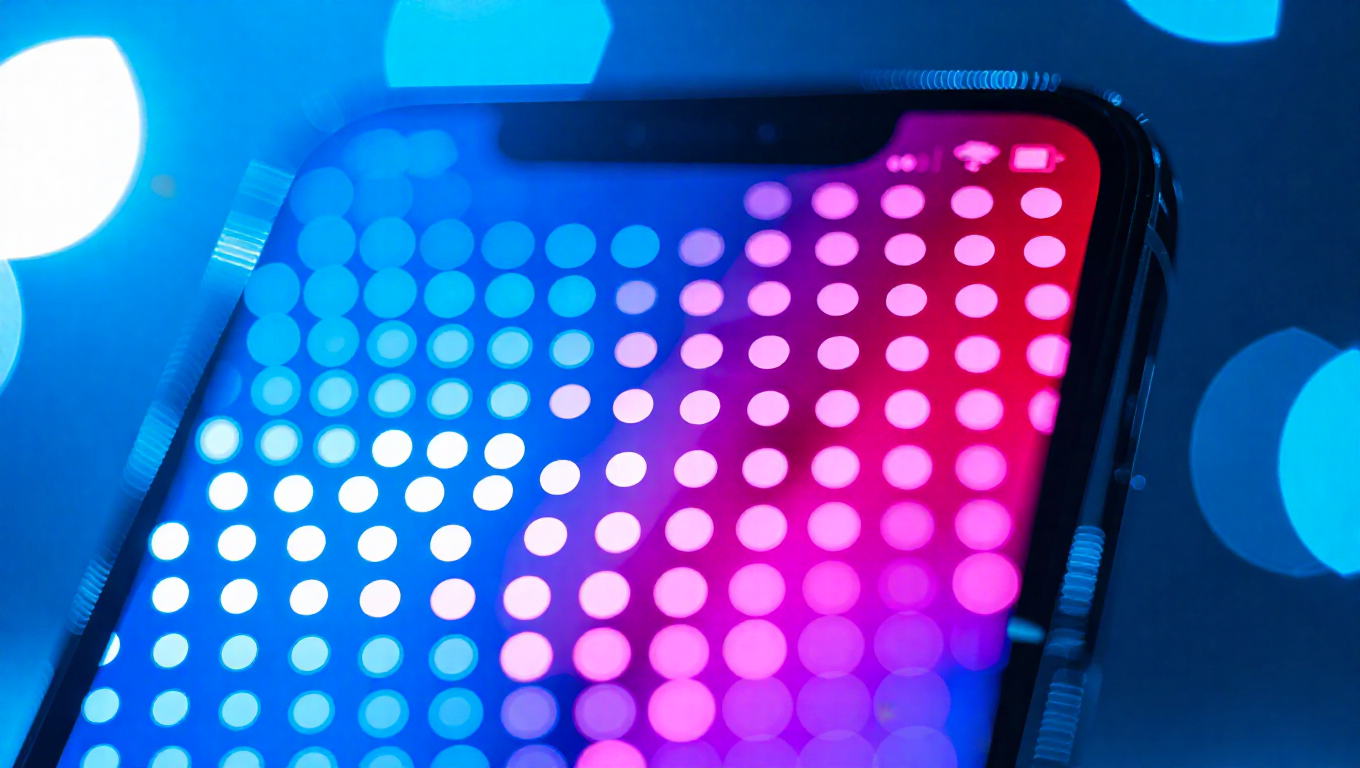
At its core, the technology works by manipulating individual pixels within the display. When activated, Privacy Display selectively turns off specific pixels in a pattern that restricts the viewing angle of the screen. This creates a visual effect where the screen appears normal when viewed directly from the front but becomes difficult or impossible to read when viewed from side angles.
Technical Implementation
Close examination reveals that the display doesn't simply dim or reduce brightness uniformly. Instead, it employs a sophisticated algorithm that identifies which pixels to deactivate based on the desired privacy level and viewing angle restriction. This selective pixel control maintains screen clarity for the primary user while effectively obscuring content from peripheral viewers.
The technology appears to work in conjunction with the display's existing hardware capabilities, suggesting that Samsung has optimized both the screen hardware and software to enable this feature without compromising overall display quality. When Privacy Display is deactivated, the screen returns to its full functionality with no apparent degradation in performance or visual quality.
Practical Applications and User Experience
This feature addresses a common concern in today's mobile-first world: maintaining privacy in public spaces. Whether commuting on public transportation, working in coffee shops, or handling sensitive information in shared office environments, users can now activate privacy protection with a simple toggle.
The implementation appears seamless in practice, with minimal impact on battery life and no noticeable lag when switching between privacy modes. The ability to quickly enable or disable the feature makes it practical for everyday use, adapting to different environments and situations as needed.
Industry Implications
Samsung's Privacy Display technology represents a notable step forward in smartphone privacy features. By integrating privacy controls directly into the display hardware and software, rather than relying on external accessories, the company has created a more elegant and user-friendly solution. This approach could potentially influence how other manufacturers approach screen privacy in future devices.
The technology demonstrates how display innovation can extend beyond resolution and refresh rate improvements to address practical user concerns. As privacy becomes increasingly important to consumers, features like Privacy Display may become standard expectations for premium smartphones.
Conclusion
Samsung's Privacy Display on the Galaxy S26 Ultra showcases how thoughtful engineering can solve real-world problems. By combining hardware capabilities with intelligent software controls, the feature provides practical privacy protection without compromising the user experience. The technology's toggleable nature and seamless integration represent a significant improvement over previous privacy solutions, offering users both convenience and control over their digital privacy in public spaces.
As smartphone displays continue to evolve, features like Privacy Display demonstrate that innovation isn't just about making screens bigger or brighter, but about making them smarter and more responsive to user needs. The Galaxy S26 Ultra's implementation sets a new standard for built-in privacy features that other manufacturers will likely seek to match or exceed in future devices.