How Installing Android on an Echo Show Revitalizes the Smart Display
Amazon's Echo Show smart displays have long been confined to the company's Fire OS, a locked-down environment centered around Alexa. While these devices share hardware similarities with mainstream Android tablets and phones, Amazon has historically prevented bootloader unlocking, keeping users within its ecosystem. However, a recent development is changing that narrative, offering a path to breathe new life into these devices.
Unlocking Hidden Potential
The core of this transformation lies in an open-source project that targets specific Echo Show models, notably the second-generation Show 5 and Show 8. These devices, it turns out, are powered by hardware comparable to other Android devices. For example, the second-gen Show 5 utilizes MediaTek's MT8163 chip, a processor also found in various budget-friendly Android phones and tablets. This hardware commonality suggests the devices are inherently capable of running a more versatile operating system than the restricted Fire OS they ship with.
By leveraging this project, users can effectively jailbreak their devices and replace Amazon's software with a full version of Android. This process circumvents the traditional limitations imposed by Amazon, which has not permitted official bootloader unlocking for its smart displays, unlike its more flexible approach with some Fire tablets that allow sideloading.
A New Lease on Functionality
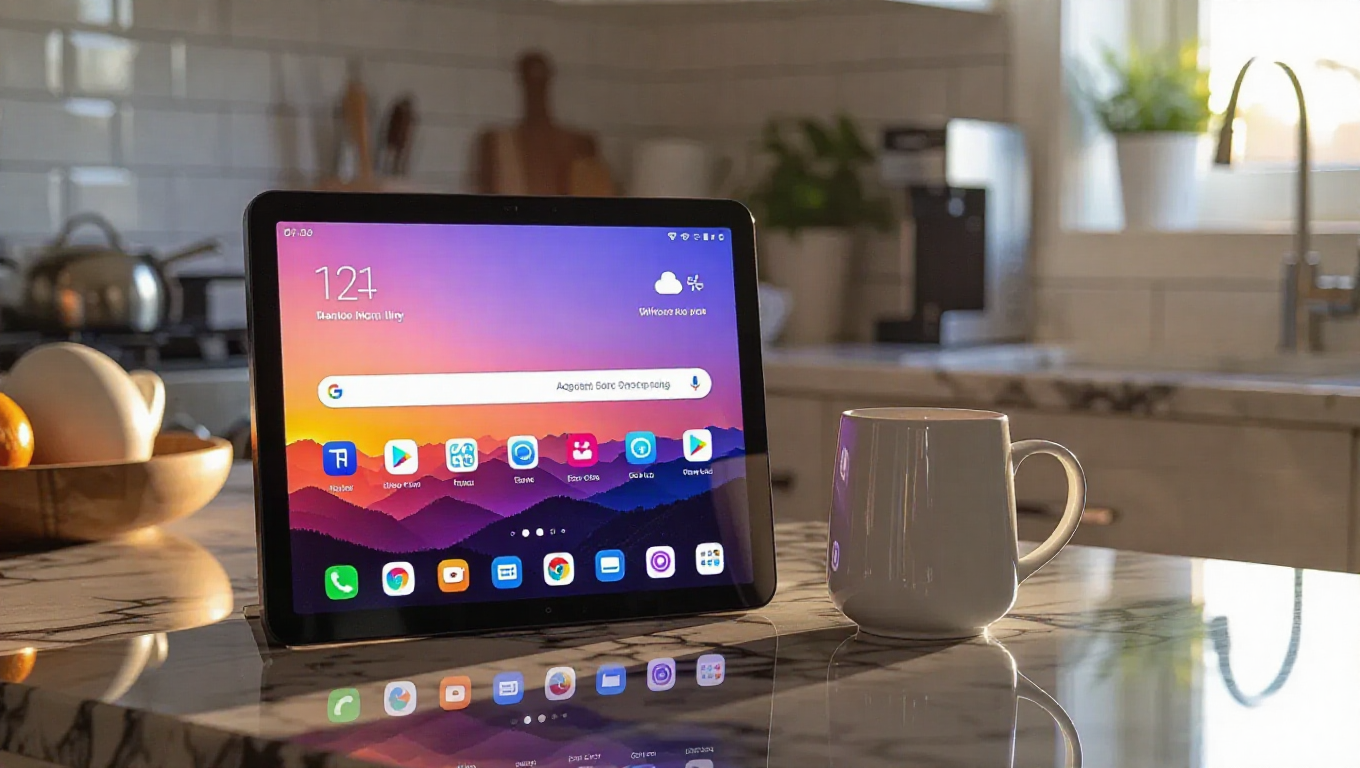
Installing Android fundamentally alters the Echo Show's capabilities. Instead of being limited to Alexa skills and Amazon-approved services, the device gains access to the vast Android app ecosystem through the Google Play Store or alternative app markets. This opens up possibilities far beyond a simple smart home controller. The display can become a dedicated digital photo frame, a kitchen tablet for recipes and videos, a bedside clock with customizable widgets, or a compact media center.
The transition represents a significant shift from a vendor-locked experience to a user-controlled one. It empowers owners to repurpose hardware that might otherwise feel limited or outdated within Amazon's walled garden, giving the smart display a second act with greatly expanded utility.
Considerations and Implications
While the prospect is exciting for tinkerers, it's important to note that such modifications typically void warranties and carry inherent risks, including the potential to brick the device if not done correctly. The process requires technical know-how and is currently limited to specific model generations. Furthermore, some integrated Alexa functionalities or hardware optimizations present in the stock Fire OS may not translate perfectly to the generic Android experience.
Nevertheless, this development highlights a growing trend of users seeking to reclaim control over their smart devices. It demonstrates that with the right tools, even the most locked-down consumer electronics can be repurposed, challenging the notion of planned obsolescence and closed ecosystems.
Conclusion
The ability to install Android on select Echo Show models is more than a technical novelty; it's a transformative modification that unlocks the latent potential of the hardware. By replacing the restrictive Fire OS with the open and versatile Android platform, users can redefine their smart display's role in the home, turning a single-purpose Alexa terminal into a multifunctional Android tablet. This project not only gives older devices a new life but also underscores the value of open-source development in empowering consumers to fully utilize the technology they own.