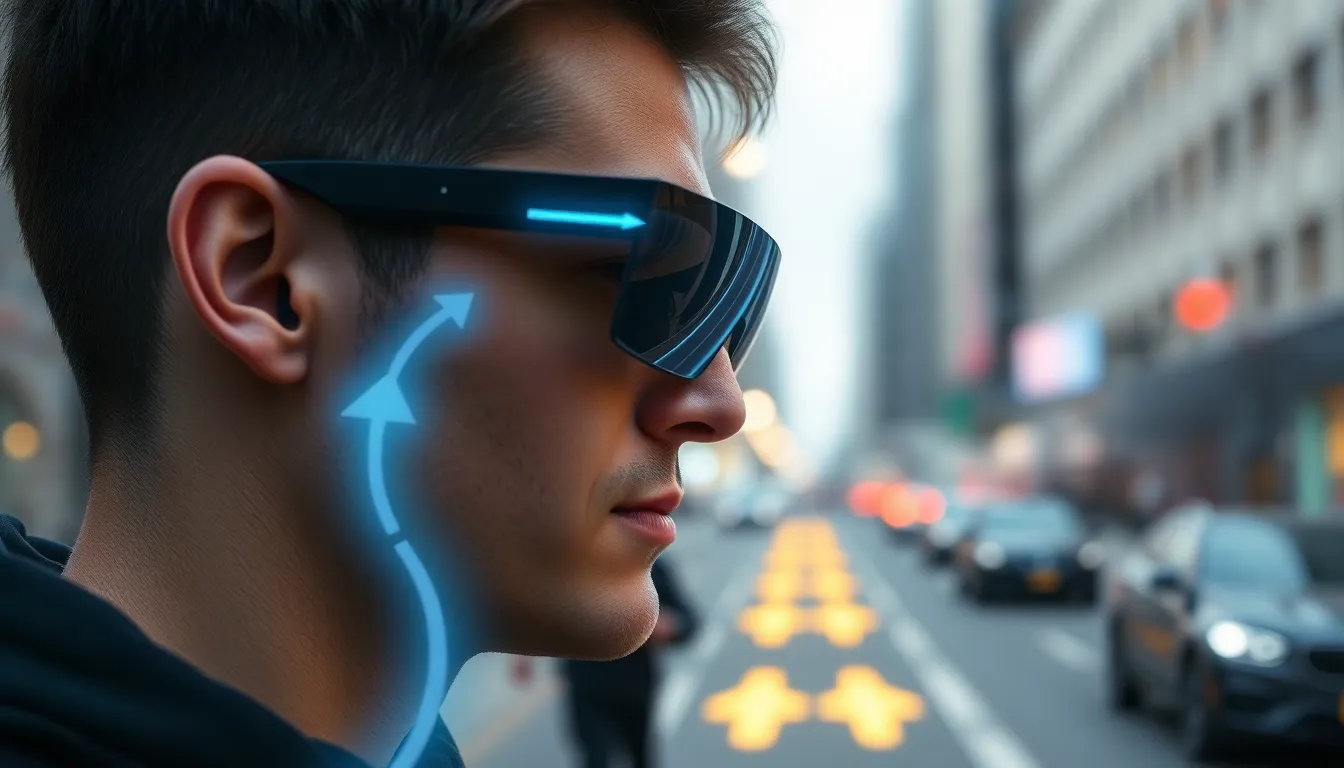
How Google Maps on Android XR Could Revolutionize Navigation for the Directionally Challenged
For those who struggle with directions, the future of navigation might soon become more intuitive and immersive. Google is reportedly developing enhanced navigation features for its upcoming Android XR platform, specifically within Google Maps, designed to work seamlessly with smart glasses and headsets. This move could transform how people navigate urban environments, particularly on foot.
Android XR: The Foundation for Immersive Navigation
Android XR represents Google's ambitious venture into powering a new generation of augmented reality (AR) glasses and extended reality (XR) headsets. As a platform closely related to mobile Android, it is expected to support a wide range of cross-functional applications. Google Maps is a prime candidate for this integration, having already demonstrated capabilities for exploring places through immersive aerial and street views on such devices.
Enhanced Navigation Through Smart Glasses
Recent findings suggest that Google is advancing beyond basic map viewing. Evidence points to the development of "Enhanced navigation" features within Google Maps, tailored for Android XR glasses. This functionality would leverage the device's cameras to provide real-time, visual guidance directly in the user's field of view. The system is designed to offer step-by-step navigation assistance, which could be particularly beneficial for pedestrians navigating complex city streets or unfamiliar areas.
Features and User Control
The proposed navigation system aims to assist users when they feel lost by utilizing the visual feed from the glasses' cameras. This could include highlighting pathways, pointing out landmarks, or overlaying directional arrows onto the real world. Importantly, reports indicate that Google plans to include user-centric controls, allowing individuals to turn off navigation prompts or alerts if they prefer not to use the feature, ensuring flexibility and privacy.
Conclusion: A Step Toward Frictionless Wayfinding
The integration of Google Maps with Android XR glasses holds significant promise for making navigation more accessible and less stressful. By providing visual, context-aware guidance directly through wearable devices, this technology could help users never feel lost again, whether exploring a new city or finding their way in a crowded venue. While still in development, these enhancements reflect a broader trend toward more immersive and intuitive digital assistants in everyday life.