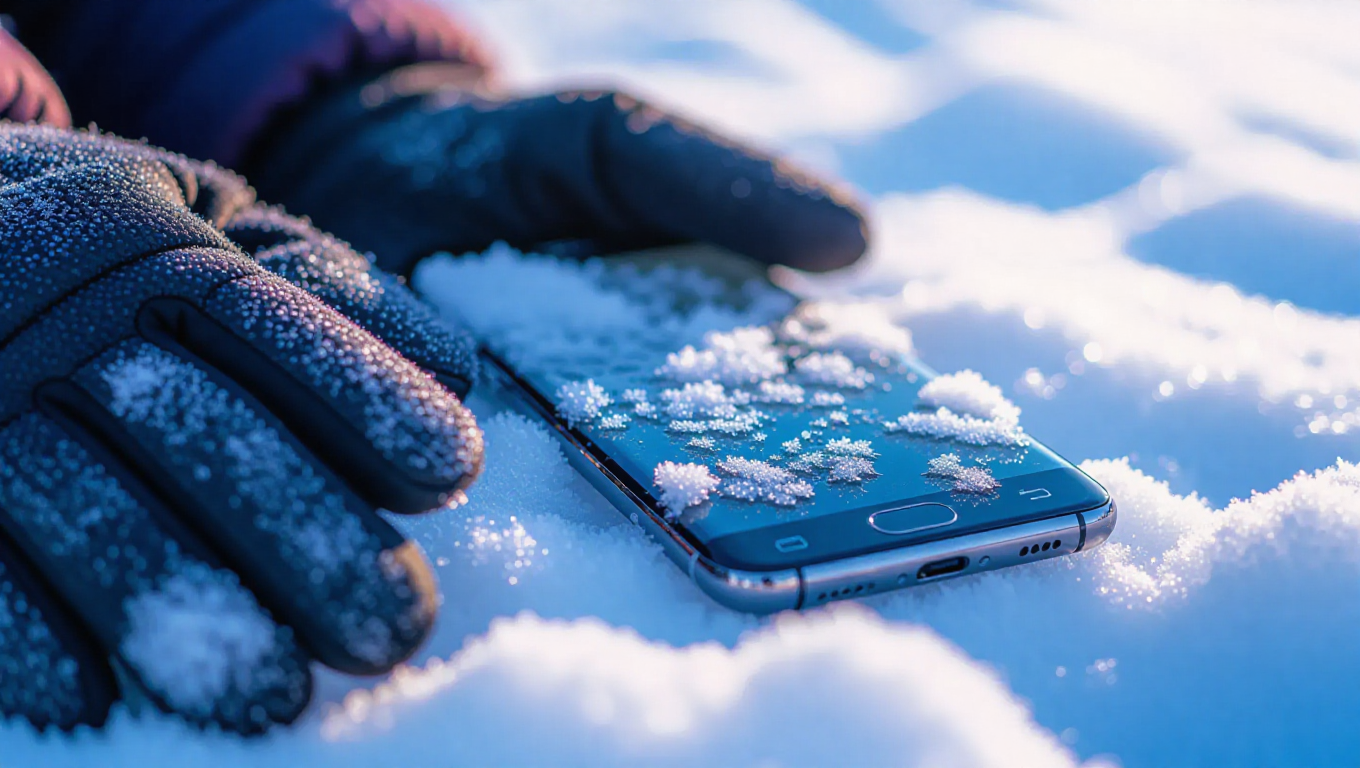
How Cold Temperatures Affect Samsung Galaxy Phones in Winter
As winter temperatures plummet across much of the Northern Hemisphere, smartphone users face a common concern: how does extreme cold affect their devices? For Samsung Galaxy owners, understanding temperature limitations and taking simple precautions can help maintain device performance and longevity during the coldest months.
Temperature Tolerance and Performance Impact
Manufacturer specifications indicate that Galaxy phones are designed to operate optimally between 0 and 35 degrees Celsius (32–95 Fahrenheit). While devices can function outside this range, users may notice several performance changes in freezing conditions. The most common issues include accelerated battery drain, reduced touchscreen responsiveness, and slower overall system performance. These effects occur because lithium-ion batteries, which power modern smartphones, become less efficient in cold temperatures, while display components and processors may operate below their ideal parameters.
Special Considerations for Foldable Models
Foldable Galaxy devices require particular attention in cold weather. The flexible materials used in their displays and hinges become stiffer as temperatures drop, potentially affecting durability. Testing data suggests that while foldable screens are rated for hundreds of thousands of folds under optimal conditions, extreme cold can significantly reduce this durability. For instance, at -20 degrees Celsius (-4 Fahrenheit), the rated folding cycles for some models may decrease substantially compared to room temperature performance. This makes it advisable to minimize folding and unfolding actions when devices are exposed to freezing conditions.
Practical Winter Usage Tips
Several straightforward measures can help protect Galaxy phones during cold weather. First, avoid charging devices while they're cold, as this can accelerate battery wear. To prevent condensation issues, refrain from running demanding applications when the phone feels freezing to the touch. Keeping phones in warm inner pockets provides natural insulation, while using protective cases offers additional thermal protection. For users wearing gloves, enabling touch sensitivity settings in the display menu can improve screen responsiveness. Most importantly, allowing phones to warm up gradually to room temperature before intensive use—especially for foldable models—helps prevent potential damage from thermal stress.
Conclusion
While Samsung Galaxy phones are generally resilient devices, extreme cold presents unique challenges that warrant mindful usage. By understanding temperature limitations—particularly for foldable models—and implementing simple protective measures, users can maintain device performance throughout winter. The key lies in balancing practical usage with reasonable precautions, ensuring that phones remain functional companions even in freezing conditions without requiring excessive concern or dramatic lifestyle changes.