How Android XR Glasses Will Revolutionize Control and Navigation
As the tech world anticipates the arrival of Android XR glasses in 2026, attention is turning to how users will interact with these immersive devices. Moving beyond traditional screens, these glasses promise a new paradigm of control and navigation, blending digital content with the physical world through intuitive interfaces.
Intuitive Control Methods
The user interface for Android XR glasses is designed around natural interaction. Gaze tracking will serve as the primary selection method, allowing users to simply look at virtual elements to highlight them. This will be complemented by subtle hand gestures, such as pinching or swiping in the air, to confirm selections, scroll through content, or manipulate objects. Voice commands will provide hands-free control for launching apps, searching, or executing complex tasks, creating a multimodal approach that adapts to different situations and user preferences.
Spatial Navigation and UI
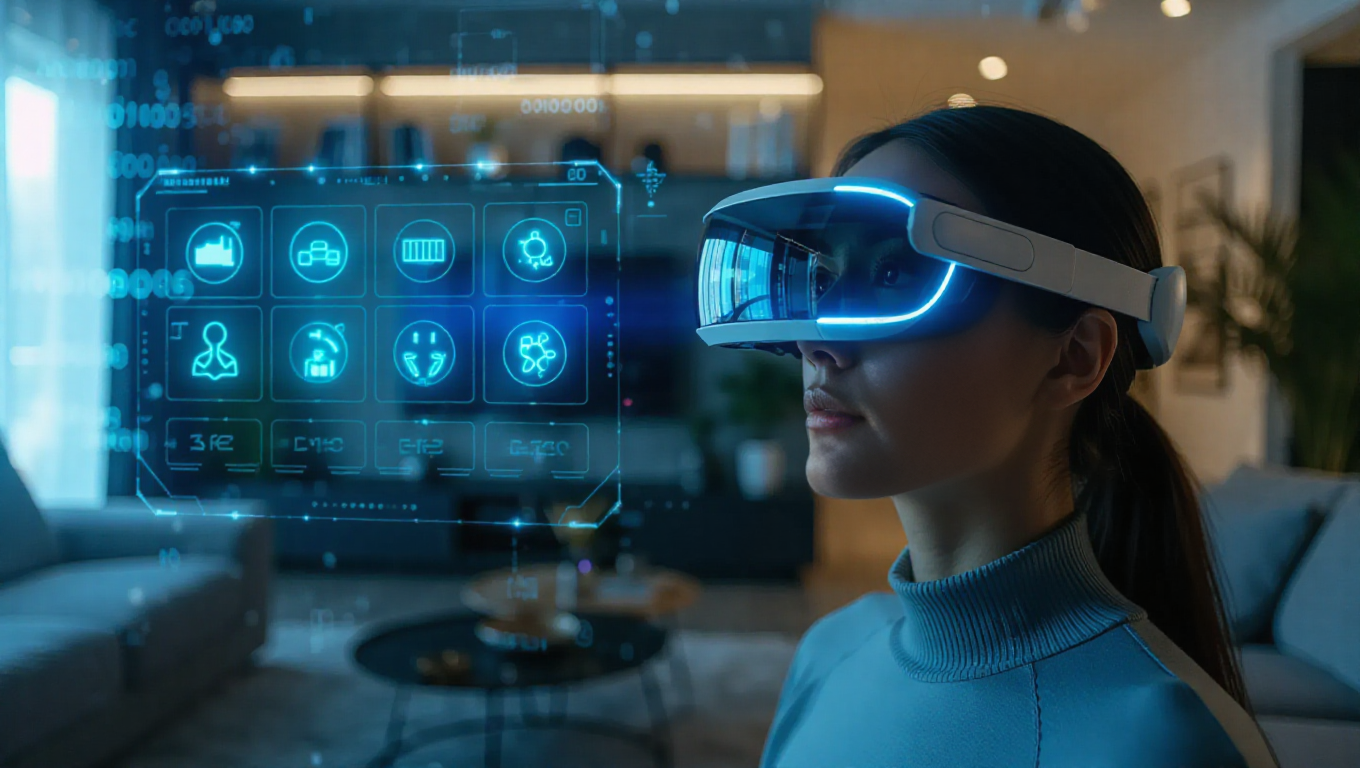
Navigation in Android XR will occur in three-dimensional space. Instead of flat screens, content will be arranged around the user in a radial or floating menu system, accessible by looking in specific directions or using gesture shortcuts. A persistent dashboard or control panel may hover within easy reach, offering quick access to notifications, settings, and frequently used apps. The system is expected to intelligently anchor digital objects to physical surfaces, allowing for stable interaction points that feel integrated into the real environment.
Seamless Integration and Accessibility
The control scheme emphasizes accessibility and ease of use. Haptic feedback, possibly through wearable accessories, could provide tactile confirmation for interactions. The interface will likely adapt to context, simplifying controls during movement or in crowded spaces. Early information suggests a focus on minimizing cognitive load, with clear visual cues and progressive disclosure of features to avoid overwhelming users. This approach aims to make extended reality feel as natural as using a smartphone, but with the added dimension of spatial awareness.
Conclusion
Android XR glasses are poised to redefine human-computer interaction by making control and navigation feel instinctive. By combining gaze, gesture, and voice, they offer a versatile system that could make mixed reality accessible to a broad audience. As development continues toward the 2026 launch, these interaction models will be crucial in determining whether XR glasses become a mainstream tool or remain a niche product. The success of Android in this space may hinge on how seamlessly users can transition from tapping screens to navigating the air around them.