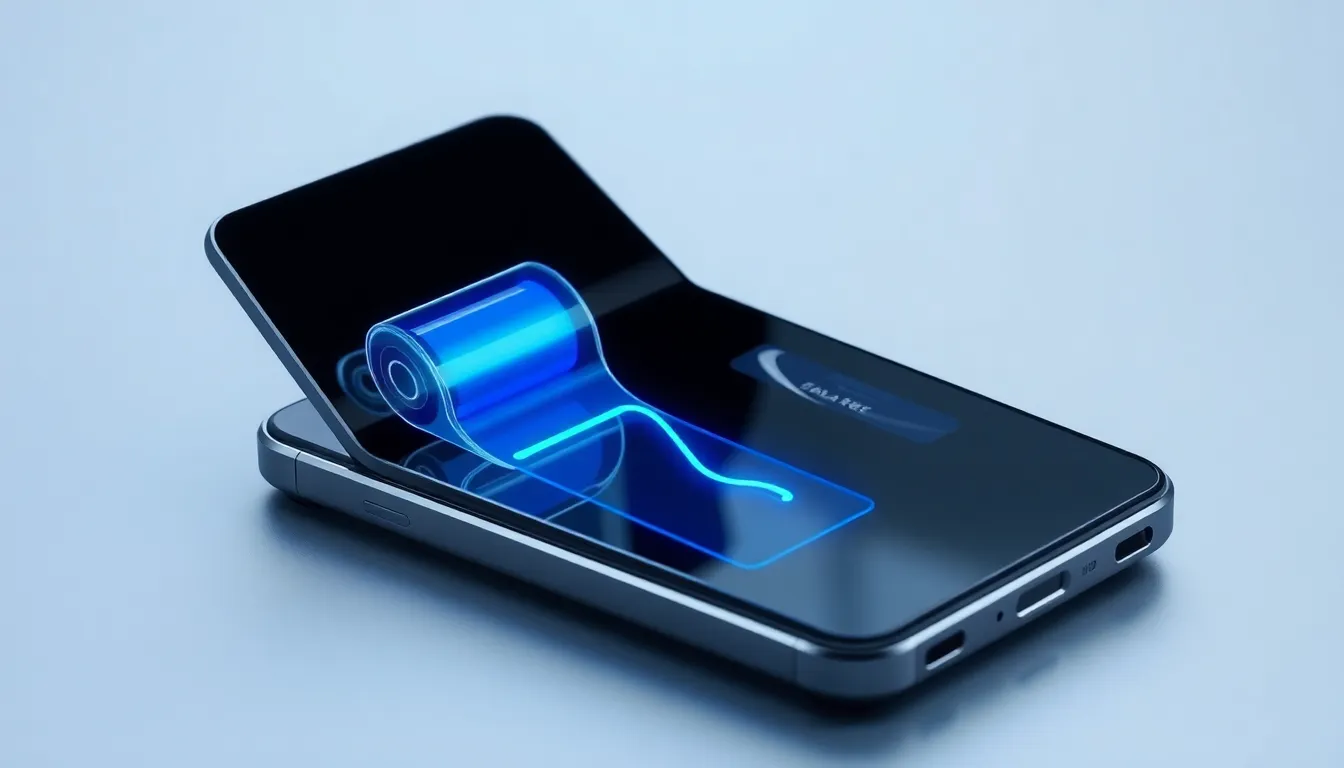
Honor Unveils Blade Battery Technology for High-Capacity Foldable Phones
Honor has demonstrated its latest battery innovation, the Silicon-Carbon Blade Battery, designed specifically for the next generation of foldable smartphones. This technology promises to deliver capacities exceeding 7,000mAh while maintaining slim form factors that have become essential for modern foldable devices.
Advancing Battery Technology for Foldables
The Blade Battery represents a significant step forward in battery technology for mobile devices. It builds upon Honor's existing partnership with battery manufacturer ATL and their fifth-generation Silicon-Carbon (Si-C) technology. While current Honor foldables like the Magic V6 already feature impressive 6,660mAh batteries with 25% silicon content, the Blade Battery pushes this further with 32% silicon content, achieving an energy density of over 900Wh/L.
This increased silicon content is reportedly the highest in the industry and enables the development of thinner, more energy-dense batteries. The technology is specifically engineered to address the power demands of foldable smartphones, which typically require larger batteries to power their expansive displays and complex hinge mechanisms while maintaining reasonable device thickness.
Design and Practical Applications
The "blade" designation isn't merely metaphorical. The battery's thin, flexible design allows it to be integrated into the unique form factors required by foldable devices. This flexibility is crucial for manufacturers looking to maximize battery capacity without compromising on device thickness or weight.
Industry observers note that the demonstration of this technology suggests Honor is preparing for future foldable models that will require even more substantial power reserves. The 7,000+ mAh capacity target indicates a focus on addressing one of the primary concerns with current foldable devices: battery life.
Industry Context and Future Implications
The development comes at a time when foldable smartphones are gaining mainstream acceptance, with manufacturers competing on various fronts including display technology, durability, and battery performance. Honor's approach focuses on fundamental battery chemistry improvements rather than simply increasing physical battery size.
This technology could potentially influence the broader smartphone industry, as improved energy density benefits all mobile devices. However, the immediate application appears targeted at the specific challenges of foldable form factors, where space constraints are particularly challenging.
Conclusion
Honor's Blade Battery technology represents a meaningful advancement in mobile power solutions, particularly for the growing foldable smartphone segment. By achieving higher energy density through increased silicon content, Honor appears positioned to address one of the key limitations of current foldable devices. While specific implementation details and commercial availability timelines remain to be seen, the technology demonstration suggests that future Honor foldables may offer significantly improved battery capacities without compromising on device thickness or design aesthetics.