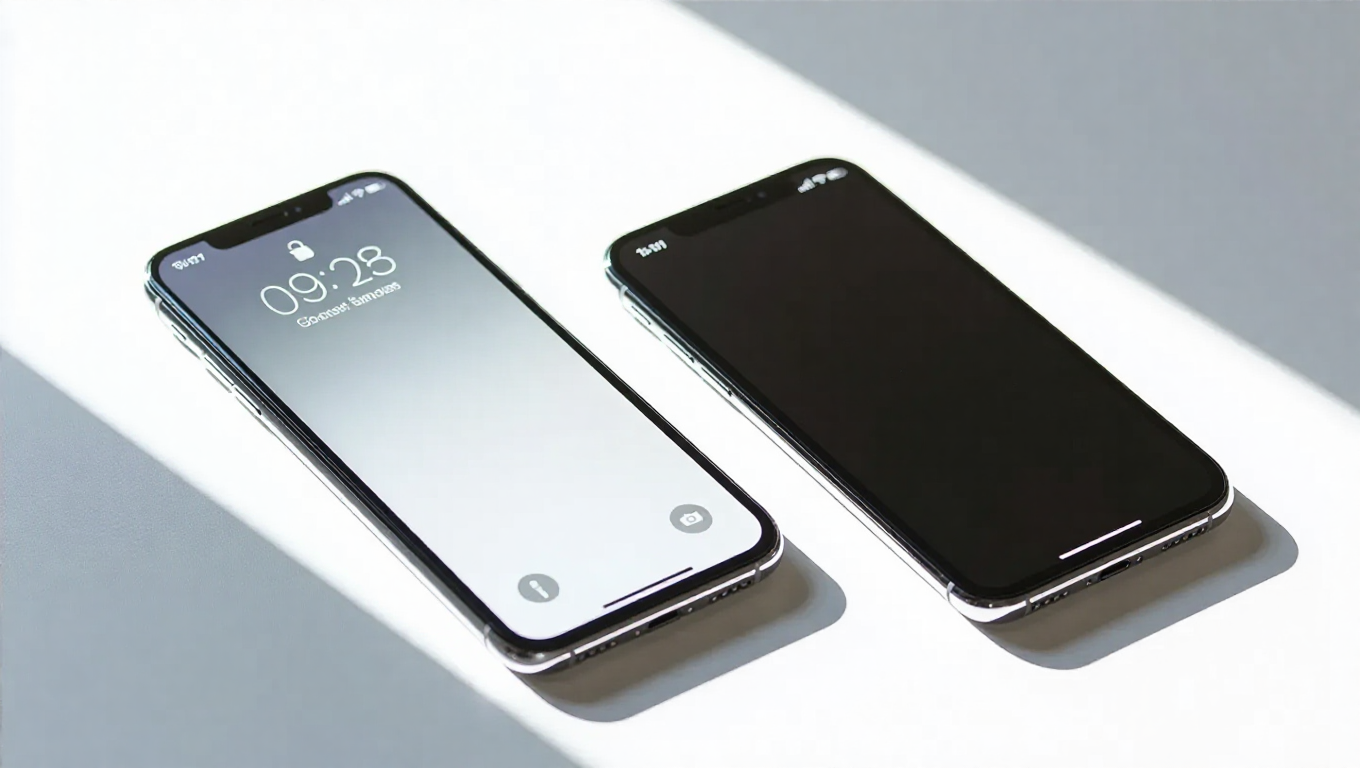
Honor's Latest Phone Draws iPhone Air Comparisons While Missing Key Feature
In the competitive smartphone market, design inspiration often flows between manufacturers, but Honor's newest offering appears to take this concept to another level. The device has sparked immediate comparisons to Apple's iPhone Air, with critics noting striking visual similarities while pointing out a crucial shortcoming: it reportedly fails to achieve the same level of thinness that defines Apple's premium model.
A Familiar Design Language
The smartphone industry has long seen design elements borrowed and reinterpreted across brands, but the latest Honor device appears to follow Apple's aesthetic blueprint particularly closely. From the overall form factor to specific design cues, the resemblance is immediately apparent to observers. This approach isn't unprecedented in the Android ecosystem, where manufacturers sometimes adopt successful design languages from market leaders, but the degree of similarity in this case has drawn particular attention.
What makes this situation notable isn't just the visual parallels, but the context in which they appear. The iPhone Air established itself as a premium device largely through its exceptional thinness—a physical characteristic that became its defining feature and primary selling point. By creating a device that echoes the iPhone Air's appearance while reportedly missing this crucial attribute, Honor faces questions about the strategic thinking behind this product direction.
The Thinness Discrepancy
Reports indicate that while the Honor device shares visual DNA with the iPhone Air, it doesn't match Apple's achievement in device thickness. This represents more than just a minor specification difference—it misses what many consider the entire point of the iPhone Air's design philosophy. The pursuit of extreme thinness requires significant engineering compromises and technical innovation, and by reportedly falling short in this area while adopting the visual style, the Honor device may face criticism for prioritizing appearance over substance.
The thickness difference raises questions about whether the design similarities serve a functional purpose or represent primarily aesthetic borrowing. In a market where consumers increasingly value both form and function, devices that appear to prioritize one over the other can struggle to find their footing. The situation highlights the challenges Android manufacturers face when competing in premium segments dominated by established players with distinctive design identities.
Market Implications and Consumer Perception
This development occurs within a broader industry context where design differentiation has become increasingly difficult. As smartphone technology matures, manufacturers often converge on similar solutions for ergonomic and practical reasons. However, when devices appear to closely mimic competitors while offering inferior implementations of key features, they risk being perceived as derivative rather than innovative.
Consumer response to such products often depends on whether they offer compensating advantages in other areas—superior camera performance, longer battery life, or more competitive pricing. Without such balancing strengths, devices that closely resemble premium competitors while missing their defining characteristics can struggle to justify their place in the market. The situation serves as a reminder that in today's smartphone landscape, successful products typically need to either excel at what established leaders do well or offer compelling alternatives that address different consumer priorities.
Conclusion
Honor's latest smartphone illustrates the complex dynamics of design inspiration in the mobile industry. While borrowing successful design elements is common practice, doing so without matching the functional achievements that made those designs successful can undermine a product's value proposition. As the smartphone market continues to evolve, manufacturers must balance aesthetic appeal with genuine innovation, particularly when entering premium segments dominated by devices with strong design identities. The ultimate test for this approach will be whether consumers see value in the visual similarities despite the reported performance gap in the very feature that defines the design being referenced.