Google Weather App for Android May Be Replaced by Redesigned Search Experience
Google appears to be shifting its weather service strategy for Android users, with indications suggesting the company may phase out its standalone Weather application in favor of a newly redesigned weather experience within Google Search. This potential move represents a significant change in how users access weather information on their mobile devices.
The Evolution of Google's Weather Services
The Google Weather application for Android has maintained a relatively consistent interface and feature set over recent years, with infrequent updates and minimal design changes. This stability has provided users with reliable weather information, but the lack of innovation has become increasingly apparent as other weather services have introduced more advanced features and modern interfaces.
The current Weather app functions more as a web wrapper than a native application, pulling data from Google's weather services and presenting it in a simplified format. This architecture has allowed Google to maintain consistency across platforms but has limited the app's ability to leverage native Android features and provide a truly integrated experience.
The New Search-Based Weather Experience
Recent developments indicate Google is preparing to replace the standalone Weather app entirely with a redesigned weather interface that integrates directly into Google Search. This new approach would allow users to access comprehensive weather information simply by searching for weather-related queries, eliminating the need for a separate application.
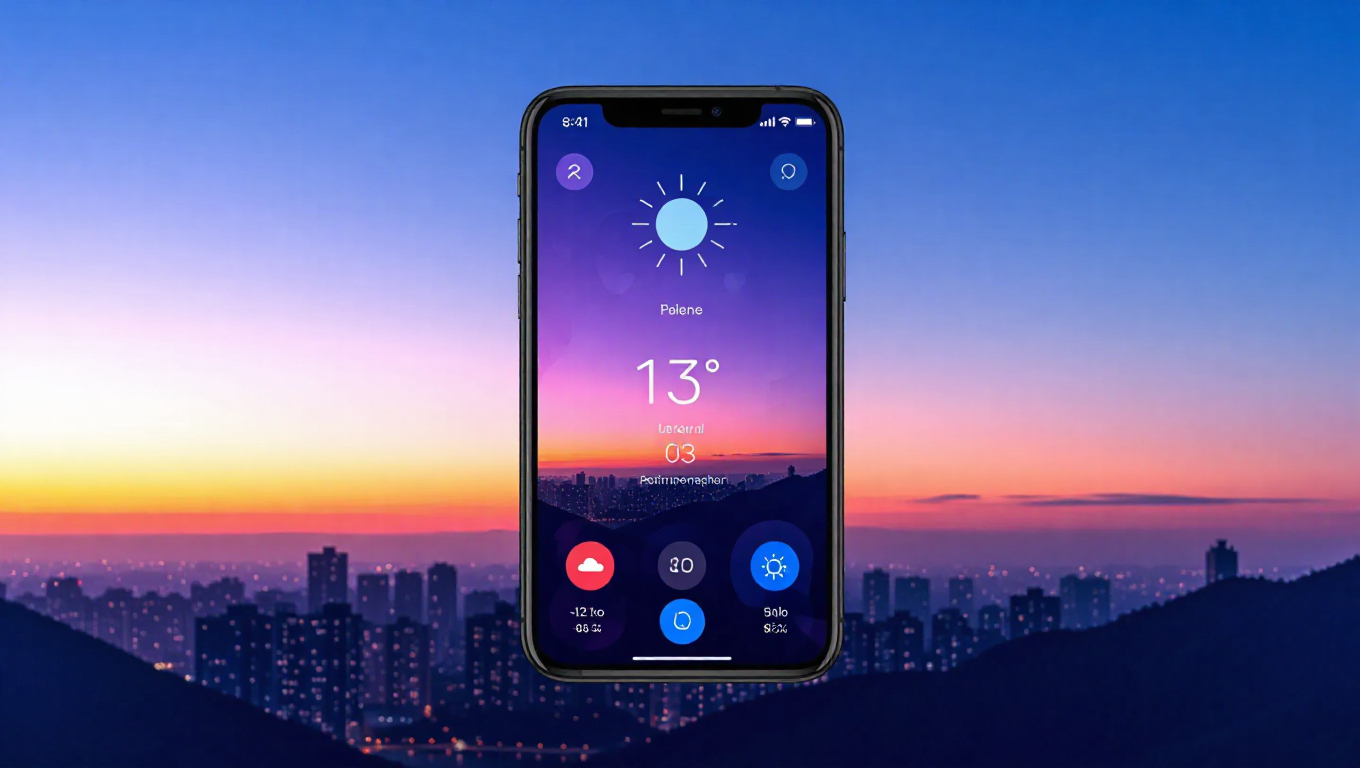
The redesigned weather experience within Search appears to offer enhanced visual elements, more detailed forecasting information, and improved integration with other Google services. This shift aligns with Google's broader strategy of making Search the central hub for information retrieval across all categories, including weather.
Strategic Implications for Android Users
Moving weather services from a dedicated application to Search integration represents a fundamental change in how users interact with weather information on Android devices. This approach offers several potential benefits, including reduced app clutter on devices, more immediate access to weather information without needing to open a separate app, and seamless integration with voice search and Google Assistant.
However, this transition may also present challenges for users who prefer dedicated weather applications with persistent notifications, widget support, and offline functionality. The success of this strategy will depend on how well Google implements weather features within the Search interface and whether it can match or exceed the functionality currently available in the standalone Weather app.
Industry Trends and User Expectations
This potential shift reflects broader industry trends toward consolidating functionality within larger platform applications rather than maintaining separate, single-purpose apps. Many technology companies are moving toward integrated experiences that reduce the number of applications users need to manage while maintaining or enhancing functionality.
User expectations for weather services have evolved significantly in recent years, with demands for hyper-local forecasting, severe weather alerts, and integration with calendar and planning applications. Google's move to integrate weather more deeply into Search could potentially address these evolving needs more effectively than a standalone application.
Conclusion: A New Era for Mobile Weather Services
The potential replacement of Google's standalone Weather app with an integrated Search experience represents a significant evolution in how users access weather information on mobile devices. While this change may require adjustment for some users, it aligns with Google's broader vision of making information universally accessible and useful through its core Search platform.
As mobile technology continues to evolve, the distinction between dedicated applications and platform-integrated services becomes increasingly blurred. Google's approach to weather services may set a precedent for how other types of information and functionality are delivered to users in the future, emphasizing convenience and integration over standalone application experiences.
The success of this transition will ultimately depend on execution—whether the new Search-based weather experience can provide the reliability, accuracy, and convenience that users have come to expect from dedicated weather applications while offering additional benefits through deeper platform integration.