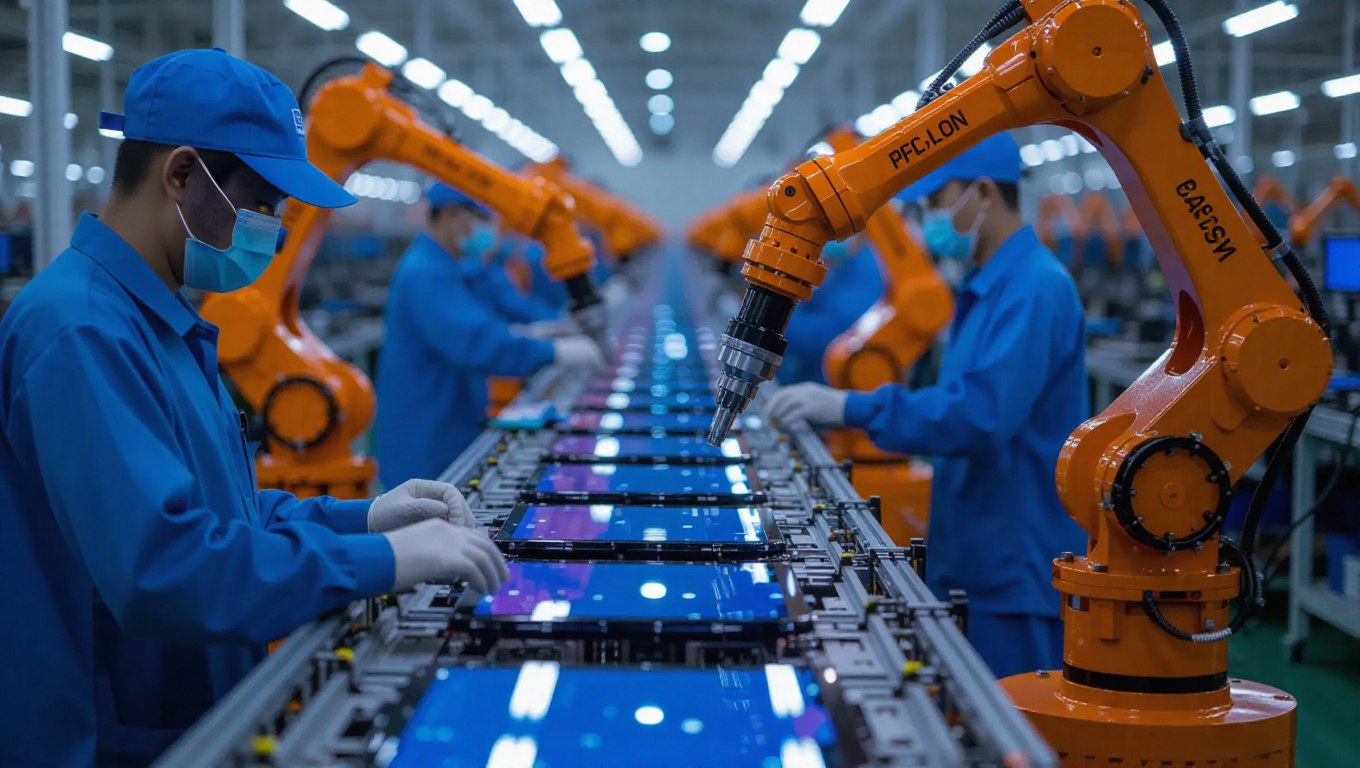
Google to Develop and Manufacture High-End Pixel Phones in Vietnam
In a strategic move to diversify its supply chain and mitigate geopolitical risks, Google is reportedly set to begin developing and manufacturing high-end Pixel smartphones in Vietnam starting in 2026. This marks a significant expansion beyond mere production, as the company plans to conduct key development phases in the Southeast Asian country.
A Shift from Production to Full Development
Google initially started shifting Pixel phone production from China to Vietnam in 2019, with further expansions into India. However, recent reports indicate that the company is now taking a more substantial step by planning to carry out new product introductions (NPIs) for its flagship devices in Vietnam. NPIs involve the critical early stages of product development, including design validation, prototyping, and initial manufacturing setup, which have traditionally been centered in China.
This development would encompass high-end models such as the Pixel, Pixel Pro, and Pixel Fold series. By localizing NPIs in Vietnam, Google aims to streamline its supply chain, reduce dependency on a single region, and potentially accelerate time-to-market for new devices. The move reflects a broader industry trend of tech companies diversifying their operations amid ongoing trade tensions and economic uncertainties.
Strategic Implications for Google and the Industry
Conducting development in Vietnam represents a strategic pivot for Google, allowing it to better navigate challenges such as U.S. tariffs on Chinese imports and supply chain disruptions. Vietnam has emerged as a key manufacturing hub for electronics, offering a skilled workforce, favorable trade agreements, and growing infrastructure. By integrating development and production in one location, Google could achieve greater operational efficiency and cost control.
This shift is also seen as a way to bolster Google's competitiveness in the global smartphone market. With Pixel devices gaining traction against rivals like Apple and Samsung, optimizing the supply chain could enhance product quality and availability. Additionally, localizing high-value processes like development may foster innovation and collaboration with regional partners, potentially leading to more tailored products for international markets.
Broader Economic and Geopolitical Context
The decision to move development to Vietnam aligns with efforts by many tech firms to reduce reliance on China amid geopolitical tensions. Vietnam's proactive policies to attract foreign investment, coupled with its strategic location in Southeast Asia, make it an attractive alternative for high-tech manufacturing and R&D. This trend is expected to continue as companies seek to build more resilient and diversified supply chains.
For consumers, this move may lead to more stable pricing and availability of Pixel phones, as it could mitigate risks from trade disputes. However, the long-term impact on product innovation and cost remains to be seen, as Google balances the benefits of diversification with the challenges of establishing new development hubs.
Conclusion
Google's reported plan to develop and manufacture high-end Pixel phones in Vietnam starting in 2026 underscores a significant evolution in its global strategy. By moving beyond production to include key development activities, the company aims to create a more agile and resilient supply chain. This shift not only addresses immediate economic and geopolitical pressures but also positions Google for sustained growth in the competitive smartphone market. As the tech industry continues to adapt to a changing global landscape, such moves may become increasingly common among major players seeking stability and innovation.