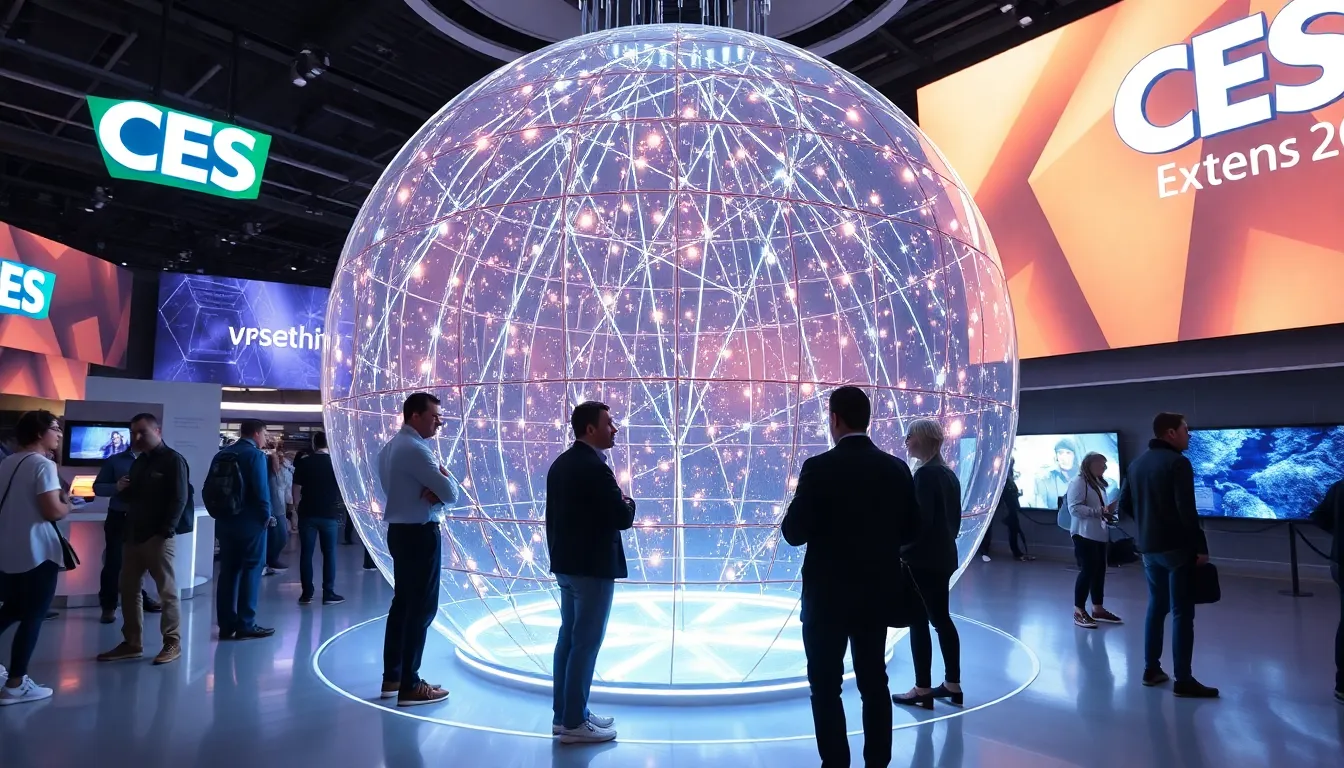
Google Shifts CES Spotlight to Android XR with Immersive Sphere Experience
For years, Google's presence at the Consumer Electronics Show has been dominated by its television platform, but CES 2026 marks a significant strategic pivot. The tech giant is now directing substantial attention toward Android XR, its extended reality platform, through an ambitious and immersive installation that has become one of the show's talking points.
The Android XR Sphere: A New Kind of CES Presence
Rather than traditional booth displays or keynote presentations, Google has opted for a more experiential approach to showcase Android XR. The centerpiece is a spherical installation that envelops visitors in extended reality demonstrations. This immersive environment serves as both a marketing tool and a technical showcase, allowing attendees to experience Android XR's capabilities firsthand.
The spherical design represents a departure from conventional tech demonstrations, suggesting Google's intention to position Android XR as more than just another software platform. By creating a fully immersive environment, the company appears to be emphasizing the transformative potential of extended reality technologies and their ability to create new kinds of user experiences.
Strategic Implications of the CES Focus Shift
The increased emphasis on Android XR at CES 2026 signals Google's growing commitment to the extended reality space. While Google TV remains part of the company's CES presence, the resources and attention devoted to Android XR suggest it has become a higher strategic priority. This shift comes as extended reality technologies mature and approach broader consumer adoption.
The timing of this promotional push is significant. CES has traditionally served as a platform for announcing and demonstrating consumer-facing technologies, and Google's decision to feature Android XR prominently suggests the platform may be nearing a more substantial consumer rollout. The immersive nature of the demonstration also hints at potential applications beyond gaming and entertainment, possibly including productivity, education, and social interaction.
Technical Showcase and Developer Implications
Beyond the marketing spectacle, the Android XR sphere serves as a technical demonstration of the platform's capabilities. The installation likely showcases features such as spatial computing, mixed reality interfaces, and integration with Google's ecosystem of services. For developers attending CES, the sphere provides a tangible example of what's possible with Android XR, potentially encouraging more development for the platform.
The choice of CES as the venue for this Android XR push is strategic. The conference attracts hardware manufacturers, developers, and industry analysts who can help build momentum for the platform. By creating a memorable, immersive experience, Google aims to generate buzz and establish Android XR as a serious contender in the increasingly competitive extended reality market.
Conclusion: A New Chapter for Google at CES
Google's focus on Android XR at CES 2026 represents more than just a change in marketing emphasis—it signals the company's evolving priorities in the consumer technology landscape. The immersive spherical installation demonstrates a commitment to making extended reality accessible and compelling, while the shift away from Google TV as the sole CES focus suggests Google sees XR as a more transformative technology for the coming years.
As CES continues, the Android XR sphere will likely serve as both a demonstration of current capabilities and a statement of future ambitions. Whether this marks the beginning of a sustained push into consumer XR or a more experimental phase remains to be seen, but Google's CES presence in 2026 clearly indicates that extended reality has moved to the forefront of the company's consumer technology strategy.