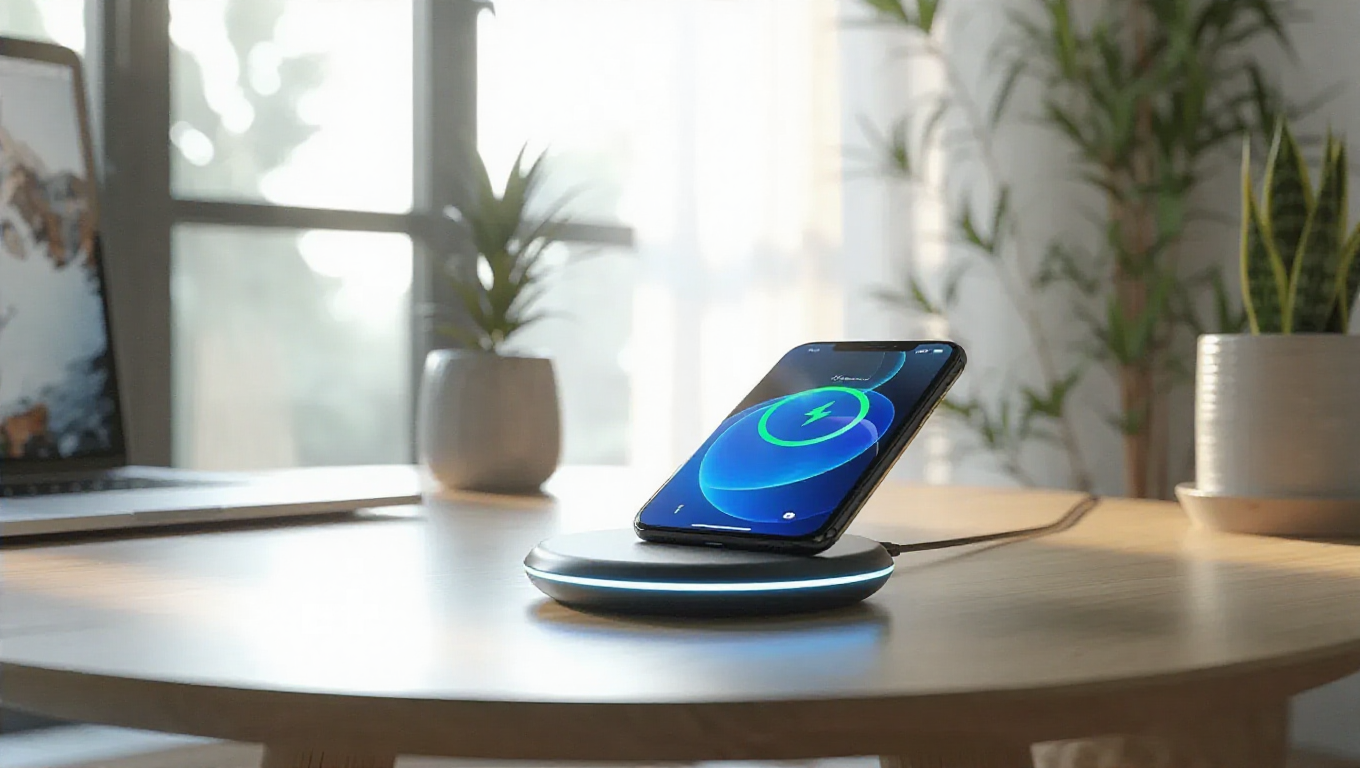
Google's Pixelsnap Chargers to Receive Firmware Updates for Enhanced Performance
In a move that aligns with the growing trend of updatable hardware, Google's Pixelsnap wireless chargers are confirmed to receive firmware updates. This development suggests that these charging accessories will not remain static in their capabilities but can evolve over time through software improvements.
Evolving Charging Technology
The ability to update charger firmware represents a significant shift in how consumers interact with what was traditionally considered "dumb" hardware. Unlike basic chargers that offer fixed functionality, updatable chargers can adapt to new charging standards, improve efficiency, and potentially add new features through software updates.
This approach mirrors how smartphones and other smart devices receive regular updates to enhance performance and security. For Pixelsnap chargers, firmware updates could address various aspects of the charging experience, from optimizing power delivery to improving thermal management during extended charging sessions.
Potential Benefits and Implications
Firmware updates for charging accessories open several possibilities for user benefits. Charging efficiency could be improved through refined algorithms that better manage power delivery based on device battery status and temperature. Compatibility enhancements might extend support to newer devices or optimize performance with existing ones.
Security represents another important consideration, as firmware updates can address potential vulnerabilities in the charging hardware itself. Additionally, new features could be introduced post-purchase, such as different charging modes or integration with smart home systems.
Industry Context and Future Outlook
The move toward updatable charging hardware reflects broader industry trends where even peripheral devices gain smart capabilities. As wireless charging technology continues to evolve, with new standards and faster charging protocols emerging, firmware-updatable chargers offer a future-proof solution that can adapt to technological advancements.
This development also suggests that manufacturers are increasingly viewing accessories as integral components of the device ecosystem rather than standalone products. The ability to update charger firmware creates a more cohesive experience where all components of a user's tech setup can improve simultaneously.
Conclusion
Google's decision to enable firmware updates for Pixelsnap chargers represents a forward-thinking approach to accessory design. By treating charging hardware as updatable rather than static, users can expect ongoing improvements to their charging experience long after purchase. This development not only enhances the value proposition of the Pixelsnap chargers but also signals a broader shift in how the industry approaches peripheral device functionality and longevity.
As wireless charging becomes increasingly sophisticated, the ability to update charger firmware ensures that these accessories can keep pace with evolving standards and user expectations, potentially extending their useful lifespan and improving overall satisfaction with the charging experience.