Google's Patent Could Revolutionize Pixel Battery Replacement
For years, Pixel users have faced a common frustration: battery degradation that requires professional repair or leads to device replacement. A new patent filing suggests Google might have found an elegant solution that could transform how smartphone batteries are replaced.
A Mechanical Approach to Battery Design
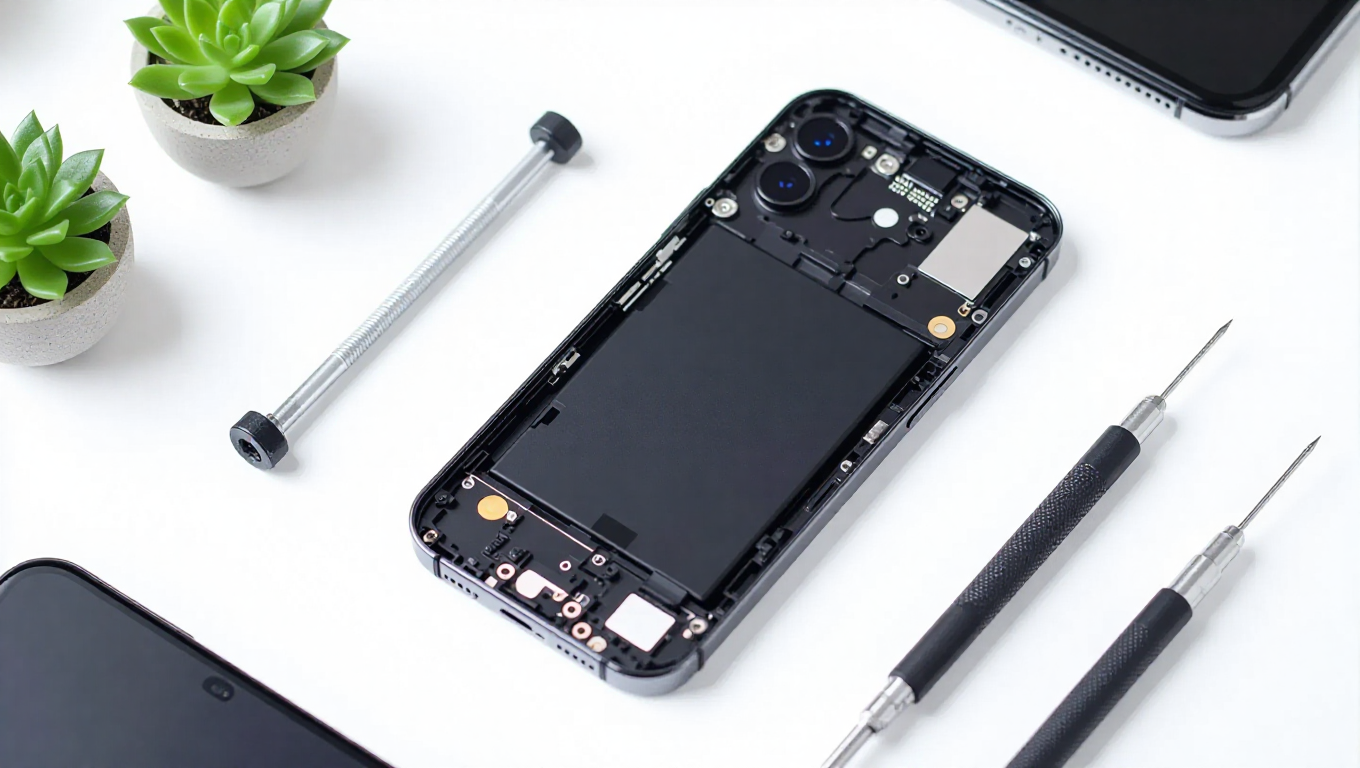
Recent patent documentation reveals Google is exploring a smartphone battery design that abandons traditional adhesive methods in favor of a mechanical locking system. The design utilizes a rigid metal chassis that securely holds the battery in place without glue, potentially allowing users to safely remove and replace batteries without specialized tools or risking damage to the battery cells.
This represents a significant departure from current industry standards, where batteries are typically sealed in place with strong adhesives that require heat guns, specialized tools, and technical expertise to remove safely. The mechanical approach could democratize battery replacement, putting power back in consumers' hands.
Addressing the EU Regulatory Landscape
The timing of this patent is particularly noteworthy given the European Union's push for more sustainable electronics. EU regulations are increasingly emphasizing right-to-repair principles, with specific requirements for battery accessibility and replaceability expected to take effect in the coming years.
While patents often remain theoretical concepts, this particular design appears strategically positioned to address both consumer complaints and regulatory requirements. The mechanical locking mechanism could provide Google with a compliant solution that maintains device integrity while enabling easier battery replacement.
Implications for Pixel Users
If implemented in future Pixel devices, this design could fundamentally change the ownership experience. Users might no longer need to send devices to repair centers or replace entire phones when batteries degrade. Instead, they could potentially purchase replacement batteries and perform the swap themselves, extending device lifespans and reducing electronic waste.
The design also addresses safety concerns associated with current battery removal methods. Without adhesives, there's less risk of puncturing battery cells during removal, which can lead to dangerous thermal events. The mechanical approach appears designed with both user safety and convenience in mind.
Conclusion
While it remains to be seen whether this patent will materialize in actual products, the concept represents a promising direction for smartphone design. By potentially solving one of the most persistent complaints about Pixel devices—battery replacement difficulty—Google could position itself as a leader in sustainable, user-friendly technology.
The convergence of consumer demand for repairable devices and regulatory pressure for sustainability creates a compelling case for this mechanical battery design. If implemented, it could mark a significant step toward more sustainable smartphone ownership while addressing a long-standing pain point for Pixel users.