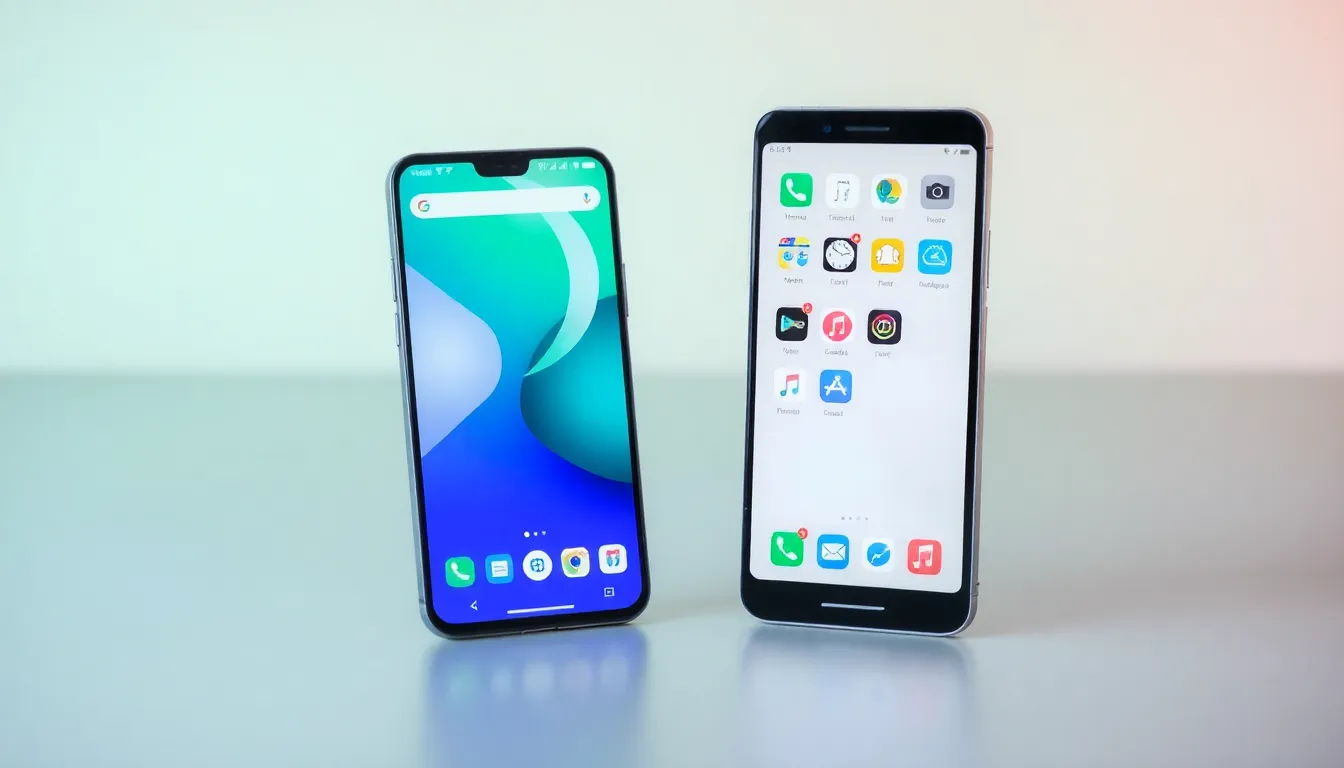
Google's Ecosystem Strategy: Breaking Down Apple's Walled Garden
For years, Apple has maintained a tightly controlled ecosystem that keeps iPhone users within its digital boundaries, with many consumers unaware of the alternatives available beyond Apple's walled garden. Google has been systematically working to create openings in this ecosystem barrier, with its latest move bringing AirDrop compatibility to Android's Quick Share feature representing another step toward cross-platform integration.
The Ecosystem Battle Intensifies
The technology landscape has witnessed Google's persistent efforts to bridge the gap between Android and Apple ecosystems. Recent developments include enhanced file sharing capabilities that allow Android devices to communicate more seamlessly with Apple products. These strategic moves appear designed to demonstrate that life outside Apple's ecosystem can be just as convenient, if not more flexible.
Industry observers note that Google's approach focuses on removing the friction points that typically keep users locked into Apple's ecosystem. By addressing compatibility issues and creating pathways for cross-platform functionality, Google aims to showcase Android's openness as a competitive advantage. The strategy appears less about direct confrontation and more about demonstrating practical interoperability.
The Switching Question
Despite these technological advancements, the fundamental question remains whether these ecosystem bridges are actually convincing iPhone users to switch platforms. Evidence suggests that while cross-platform features improve the experience for existing Android users and may make the platform more appealing to potential switchers, they haven't triggered mass migration from Apple's ecosystem.
The challenge lies in the deeply integrated nature of modern smartphone ecosystems. Users become invested not just in their devices but in the entire ecosystem of apps, services, and accessories. Breaking these connections requires more than just improved file sharing or communication features—it demands a compelling reason to abandon significant ecosystem investments.
Strategic Implications
Google's ecosystem strategy may be less about immediate user acquisition and more about long-term positioning. By demonstrating commitment to cross-platform compatibility, Google positions Android as the more open and flexible alternative. This approach could pay dividends as consumers become increasingly frustrated with ecosystem limitations and seek solutions that work across multiple platforms.
The ongoing ecosystem battle reflects broader industry trends toward interoperability and user choice. As consumers accumulate more connected devices and services, the ability to move seamlessly between platforms becomes increasingly valuable. Google's efforts to create bridges between ecosystems align with this evolving consumer expectation.
Conclusion
Google's persistent efforts to create openings in Apple's walled garden represent a strategic long-game rather than an immediate threat to Apple's user base. While features like cross-platform file sharing improve the Android experience and demonstrate Google's commitment to interoperability, they haven't yet triggered significant user migration from iOS to Android. The true impact may be more subtle—gradually changing consumer perceptions about ecosystem flexibility and positioning Android as the more open alternative for future smartphone purchases. As the ecosystem battle continues, both companies will likely continue refining their approaches to balancing ecosystem control with user convenience.