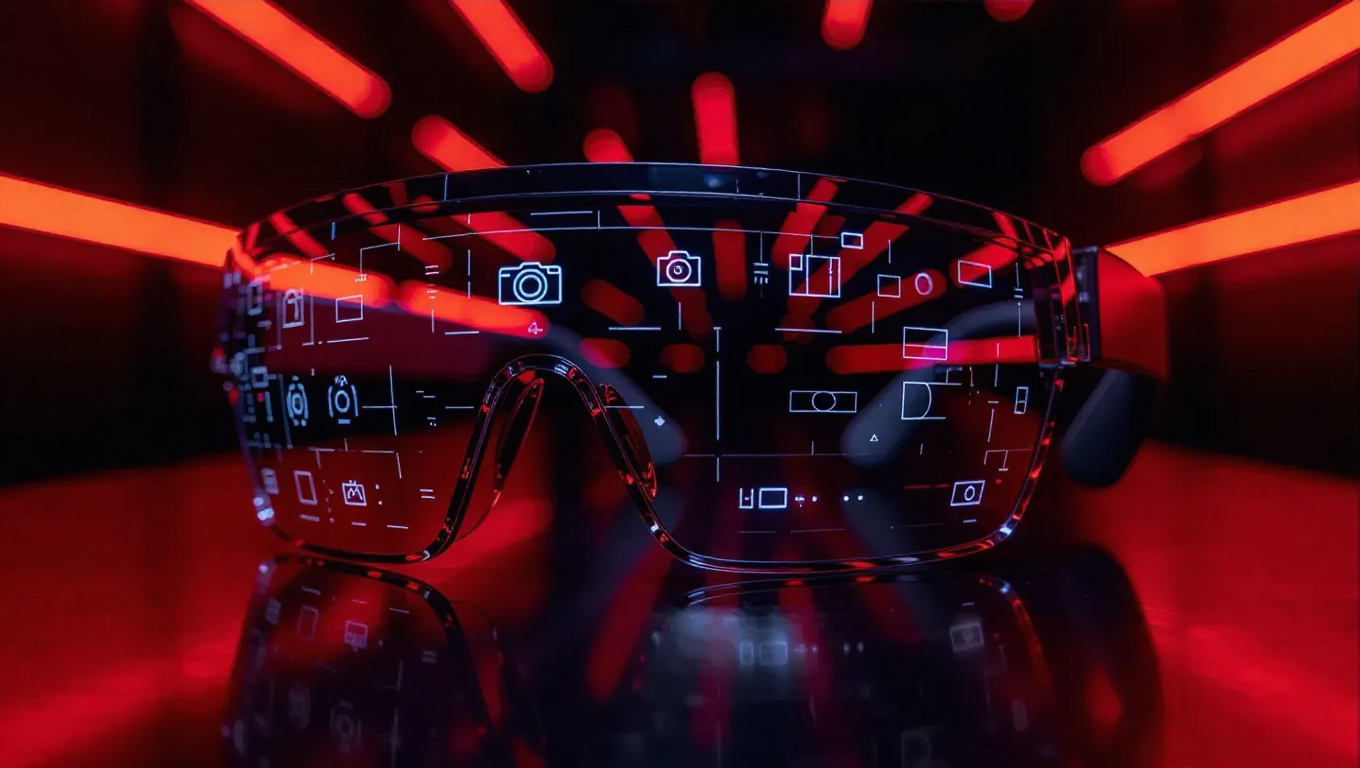
Google's Android XR Glasses Companion App Surfaces with Camera and Display Settings Preview
Google's work on extended reality (XR) software appears to be progressing, with a new companion app for Android XR glasses recently discovered in the latest Android Canary builds. The app provides an early look at how users might interact with camera and display settings on future XR devices.
Android XR Glasses Companion App Emerges
The discovery of this companion app confirms that Google continues to develop software for XR glasses, even as hardware details remain scarce. The app appears designed to work alongside XR glasses, potentially serving as a configuration tool or companion interface for users to adjust settings without needing to navigate menus within the glasses themselves.
While Google has been relatively quiet about its XR ambitions compared to competitors, this software development suggests the company is building a comprehensive ecosystem for extended reality. The app's presence in Android Canary builds indicates it's still in early development stages, but provides valuable insight into Google's approach to XR software architecture.
Camera and Display Settings Interface
The app reveals several key settings interfaces that users might expect from XR glasses. Camera settings appear prominently, suggesting that future Android XR glasses will include camera capabilities for augmented reality applications, environmental scanning, or potentially photography and video recording.
Display settings within the app hint at how users might adjust visual parameters for their XR experience. This could include brightness controls, display mode adjustments for different lighting conditions, or settings related to how virtual content overlays with the real world. The interface design follows Google's Material Design language, maintaining consistency with other Android applications.
Implications for Google's XR Strategy
This software development aligns with Google's broader efforts in augmented and mixed reality. While the company's previous XR hardware attempts like Google Glass faced challenges, the software approach revealed in this app suggests a more integrated strategy that leverages Android's existing ecosystem.
The companion app model indicates Google might be developing XR glasses that work in tandem with Android smartphones, similar to how smartwatches function today. This approach could lower hardware costs and complexity while leveraging the processing power and connectivity of users' existing devices.
Conclusion
The emergence of this Android XR glasses companion app provides concrete evidence that Google continues to invest in extended reality software development. While hardware details and release timelines remain unknown, the app reveals important aspects of Google's XR user experience strategy, particularly around camera functionality and display customization.
As XR technology continues to evolve, Google's software-first approach could position Android as a competitive platform for extended reality experiences. The discovery of this app suggests that while Google may be developing its XR strategy quietly, the company is actively building the software foundations for future XR devices.