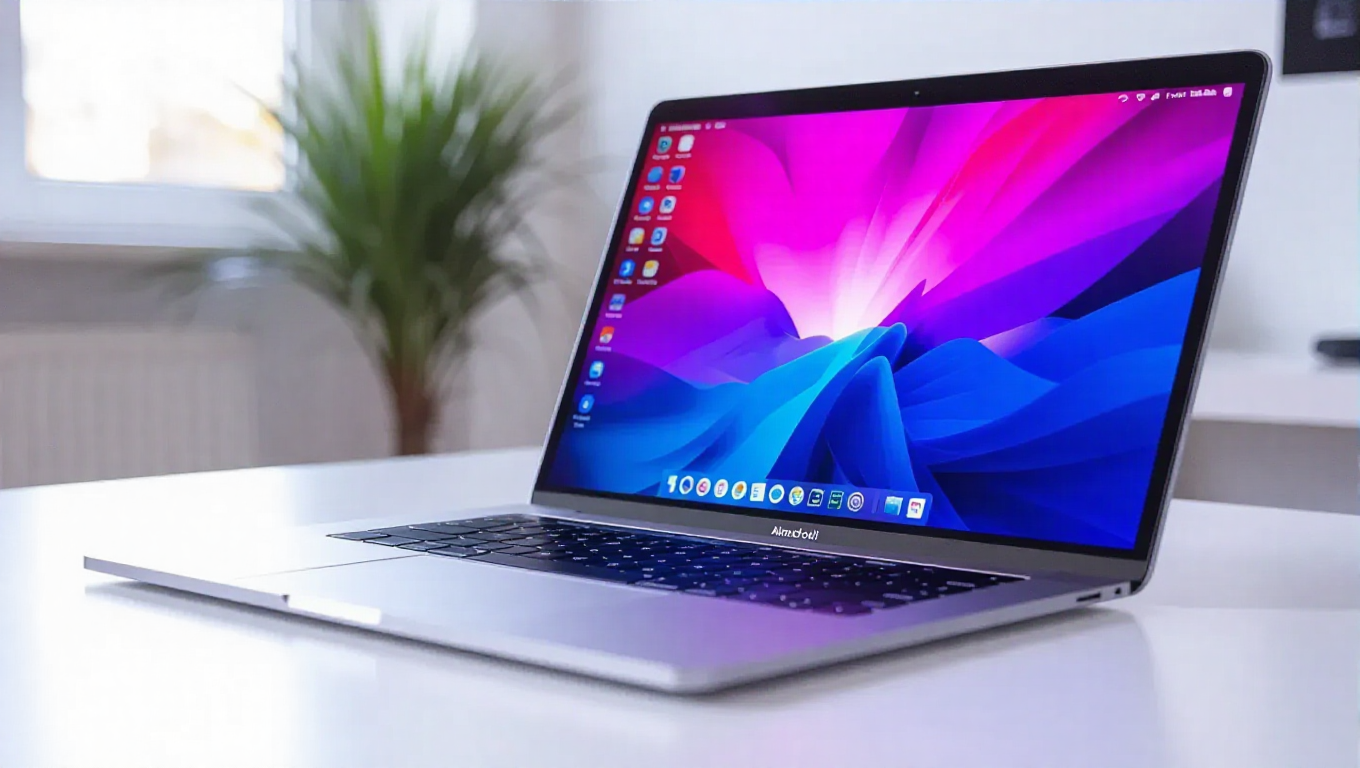
Google's Aluminium OS: The Future of Galaxy Chromebooks Beyond ChromeOS
In a significant shift for the computing landscape, Google is developing a new Android-based operating system specifically designed for laptops and PCs. This move signals a potential transition away from ChromeOS for future Galaxy Chromebooks and other devices, marking a major evolution in Google's computing strategy.
The Rise of Aluminium OS
Internally codenamed "Aluminium OS," this new operating system represents Google's ambitious plan to bring Android to traditional computing devices. Evidence from job listings reveals that Google is actively recruiting for roles focused on developing this "Android-based operating system" that's "built with artificial intelligence (AI) at the core." This approach mirrors Google's strategy with Android XR, emphasizing AI integration from the ground up.
Unlike ChromeOS, which has primarily targeted the education and budget markets, Aluminium OS appears designed for a broader range of devices. The operating system will support various form factors including desktop PCs, detachable devices, laptops, and tablets across multiple tiers. These include Chromebook, Chromebook Plus, AL Entry, AL Mass Premium, and AL Premium categories, catering to both consumer and business markets.
The Transition Strategy
The transition from ChromeOS to Aluminium OS will be managed carefully to ensure business continuity. Google's job listings indicate that product managers will be responsible for creating strategies to help the company move from ChromeOS to the new Android-based platform. This suggests a phased approach rather than an abrupt switch.
Compatibility appears to be a key consideration in this transition. Current testing involves devices featuring MediaTek Kompanio 520 and 12th Gen Intel Alder Lake processors, indicating that hardware specifications will determine which existing Chromebooks can make the jump to Aluminium OS. Devices that don't meet the requirements will likely continue receiving ChromeOS support until their end of life, while qualifying models will be updated to the new platform.
Samsung's Ecosystem Integration
As one of Google's closest hardware partners, Samsung stands to benefit significantly from this transition. The move to an Android-based operating system for laptops would enable Samsung to create a more cohesive ecosystem across its product lineup. Galaxy Chromebooks running Aluminium OS could integrate more seamlessly with Galaxy phones, smartwatches, tablets, and XR devices, creating an experience similar to Apple's tightly integrated platforms.
This strategic alignment could position Samsung more competitively in the premium computing market, where ecosystem integration has become a key differentiator. The ability to offer consistent user experiences across multiple device categories could strengthen Samsung's position against competitors who have already established strong cross-device ecosystems.
Timeline and Market Impact
While specific launch dates remain unconfirmed, indications point toward 2026 for the first Android-based laptops and PCs. The exact timing—whether early or late in the year—hasn't been finalized, but the development timeline suggests significant progress is being made.
Despite the underlying platform change, Google is likely to maintain the Chromebook branding, which has gained substantial recognition over the years. This would help ensure continuity for consumers and enterprise customers who have come to trust the Chromebook name while benefiting from the enhanced capabilities of an Android-based system.
Conclusion
The development of Aluminium OS represents a fundamental shift in Google's computing strategy, potentially unifying its mobile and desktop platforms under a single Android foundation. For Galaxy Chromebook users, this transition promises deeper integration with the broader Android ecosystem and enhanced AI capabilities. While questions remain about compatibility and implementation details, the move toward Android-based computing suggests Google is preparing for a future where the lines between mobile and desktop computing continue to blur.
As the computing landscape evolves, this transition could redefine what users expect from their laptops and PCs, bringing mobile-first design principles and AI-driven functionality to traditional computing devices. The success of this initiative will depend on execution, but the potential for creating more seamless, integrated computing experiences is significant.