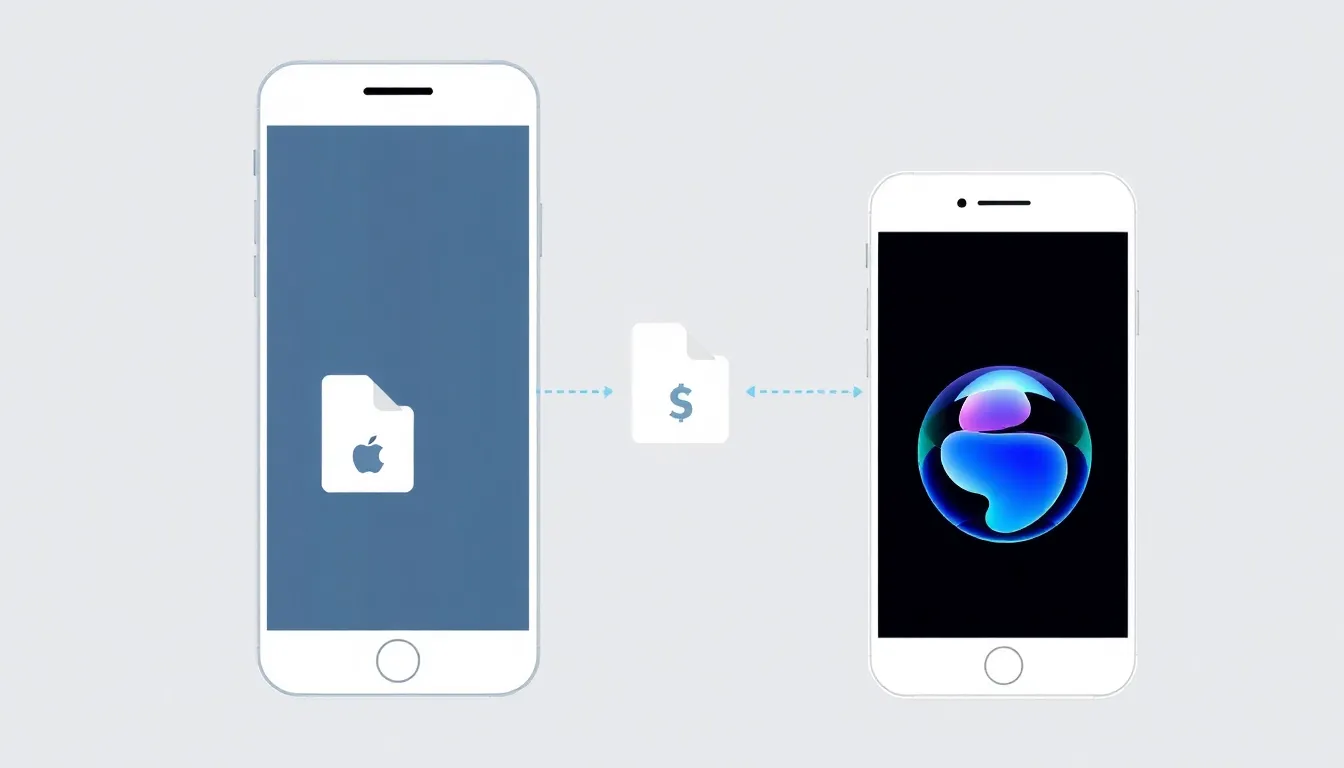
Google's AirDrop Integration: Will Apple Allow Cross-Platform File Sharing?
In a surprising move that caught the tech industry off guard, Google has implemented compatibility between its Quick Share feature and Apple's AirDrop protocol, enabling seamless file transfers between Android and iOS devices. This development represents a significant breach in Apple's traditionally closed ecosystem, raising immediate questions about how the Cupertino giant will respond.
The Unilateral Integration
The new functionality allows Android device owners to share files directly with iPhones and iPads using the existing AirDrop protocol, and vice versa. Google confirmed this was achieved through its own implementation without Apple's cooperation or approval. The feature currently operates on Pixel 10 devices but is expected to expand to all Android manufacturers, including Samsung, in the near future.
This development addresses a long-standing pain point for users who frequently need to share files between different mobile platforms. The interoperability removes significant barriers that have existed between Android and iOS ecosystems for years, potentially changing how users interact across platform boundaries.
Privacy and Security Considerations
Anticipating potential privacy concerns that Apple might raise, Google has emphasized that the implementation maintains the same privacy protections as the original separate systems. The connection remains direct and peer-to-peer, meaning user data never routes through servers, shared content isn't logged, and no additional data is shared beyond what's necessary for the transfer.
The company has taken the additional step of commissioning an independent security assessment to preemptively address any privacy implications that might be used to justify blocking the feature. This proactive approach suggests Google anticipated resistance from Apple regarding this interoperability breakthrough.
Apple's Historical Stance
Apple has consistently demonstrated reluctance toward cross-platform compatibility, particularly when it involves features that differentiate its ecosystem. The company's resistance to RCS messaging support for years, despite mounting pressure from users and regulators, illustrates its preference for maintaining exclusive features within its walled garden.
Much of Apple's product appeal stems from exclusive capabilities that users can't access elsewhere. Features like iMessage have served as powerful ecosystem lock-ins, encouraging users to remain within Apple's hardware ecosystem. The ability to share files seamlessly across platforms could potentially weaken these strategic advantages.
The Impending Response
The tech community now watches closely to see how Apple will respond to this unexpected interoperability. The company possesses the technical capability to modify AirDrop on its end to block this cross-platform functionality. Given Apple's historical approach to ecosystem control, many industry observers expect some form of countermeasure.
Google's decision to initially limit the feature to Pixel devices may represent a strategic testing approach—gauging Apple's reaction before expanding to the broader Android ecosystem. If Apple moves quickly to block the functionality, the limited rollout minimizes the impact on users and developers.
Broader Implications
This development represents more than just convenient file sharing—it challenges the fundamental boundaries between mobile platforms. If Apple allows this interoperability to stand, it could open the door for further cross-platform integrations that have traditionally been blocked. However, if Apple shuts it down, it reinforces the company's commitment to maintaining strict ecosystem separation.
The situation highlights the ongoing tension between user convenience and platform control. While consumers clearly benefit from easier file sharing between devices, platform owners have strategic reasons for maintaining exclusive features that drive hardware loyalty and ecosystem lock-in.
Conclusion
The introduction of cross-platform AirDrop compatibility marks a significant moment in mobile ecosystem dynamics. Google's unilateral implementation demonstrates both technical capability and willingness to challenge traditional platform boundaries. However, the ultimate fate of this feature likely rests with Apple's response. The coming weeks will reveal whether Apple views this as an acceptable step toward greater interoperability or an unacceptable breach of its carefully maintained ecosystem boundaries. For now, the tech world watches and waits to see if this convenience will survive or become another casualty in the ongoing platform wars.