Google's AI Glasses Design Guide Reveals Android XR Interface and Controls
As Android XR prepares for its debut this year, newly surfaced design documentation provides the clearest look yet at how Google envisions users will interact with augmented reality glasses. The guidelines, intended for developers building applications for the platform, reveal detailed specifications about hardware controls, user interface elements, and power management strategies.
Two Distinct Glass Types and Control Mechanisms
The documentation outlines two primary categories of Android XR glasses: AI glasses and Display AI glasses. While both will incorporate artificial intelligence capabilities, the latter category includes integrated screens for visual output. This distinction suggests Google is preparing for a range of devices catering to different use cases and price points.
Control mechanisms appear to blend physical and touch-based inputs. The glasses will feature dedicated physical buttons for activating cameras and displays, providing tactile feedback for essential functions. Additionally, a touchpad interface will enable users to interact with Gemini AI features and execute gesture commands. This hybrid approach balances immediate accessibility with more nuanced control options.
Power-Efficient Design Principles
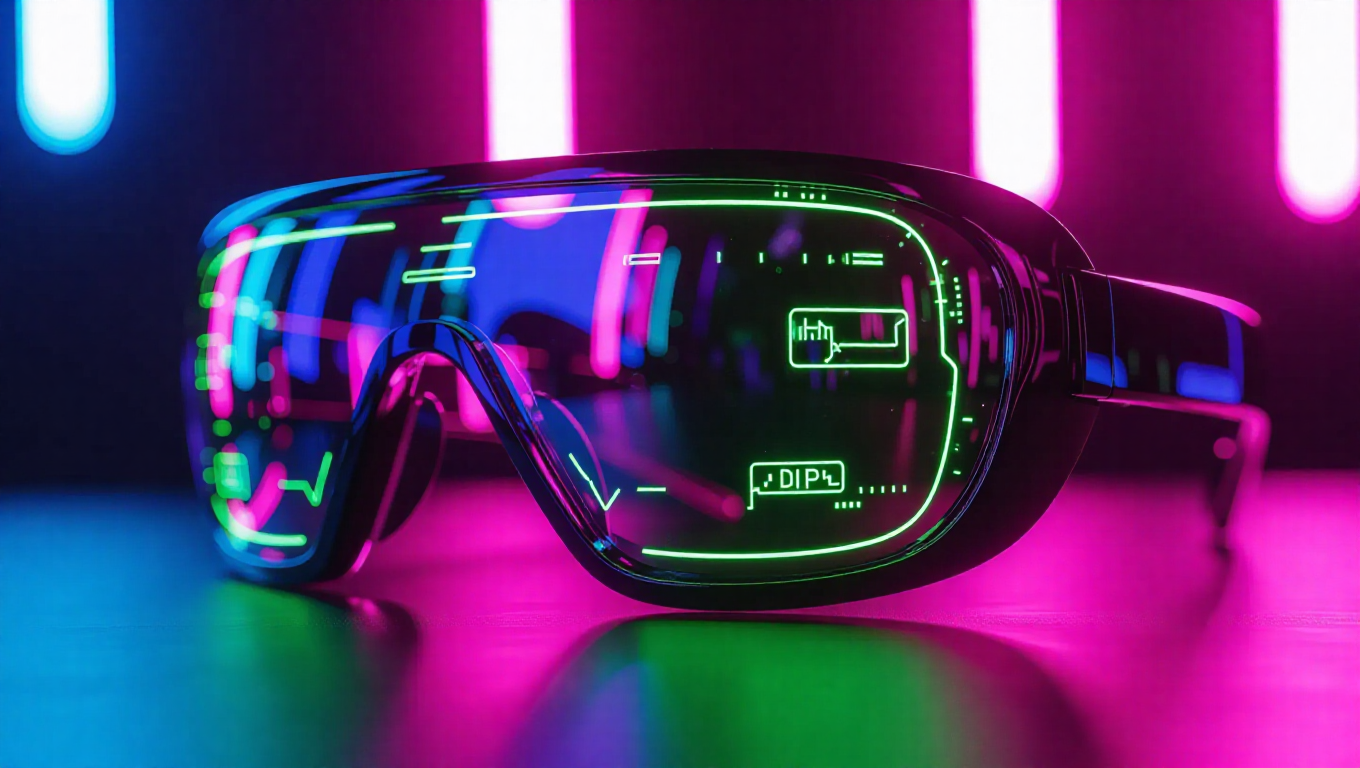
Perhaps most revealing are the design principles focused on thermal management and battery conservation. The guidelines emphasize rounded corners throughout the user interface, not merely for aesthetic reasons but to reduce computational load and associated heat generation. Color selection follows similar efficiency considerations, with green tones specifically recommended for their power-saving properties on display technologies.
These optimizations address fundamental challenges in wearable AR devices, where thermal buildup and battery life significantly impact user experience. By baking efficiency considerations into the design framework, Google appears to be prioritizing extended usage times and comfortable wearability from the platform's inception.
Developer-First Approach to Ecosystem Building
The early release of comprehensive design guidelines signals Google's strategy to cultivate a robust application ecosystem before hardware reaches consumers. By providing developers with detailed specifications about interaction patterns, visual language, and performance constraints, the company aims to ensure a consistent user experience across different Android XR glasses.
This approach mirrors successful platform launches in mobile computing, where developer tools and documentation preceded widespread hardware adoption. The emphasis on foundational design principles suggests Google views interface consistency as critical to Android XR's success against established competitors in the AR space.
Conclusion
Google's design documentation for AI glasses offers more than just technical specifications—it reveals the company's strategic thinking about the next generation of wearable computing. The focus on hybrid controls, power efficiency, and developer readiness indicates a mature approach to platform development that addresses both user experience challenges and ecosystem requirements. As Android XR glasses begin appearing later this year, these design principles will shape how millions of users first experience augmented reality through Google's ecosystem.