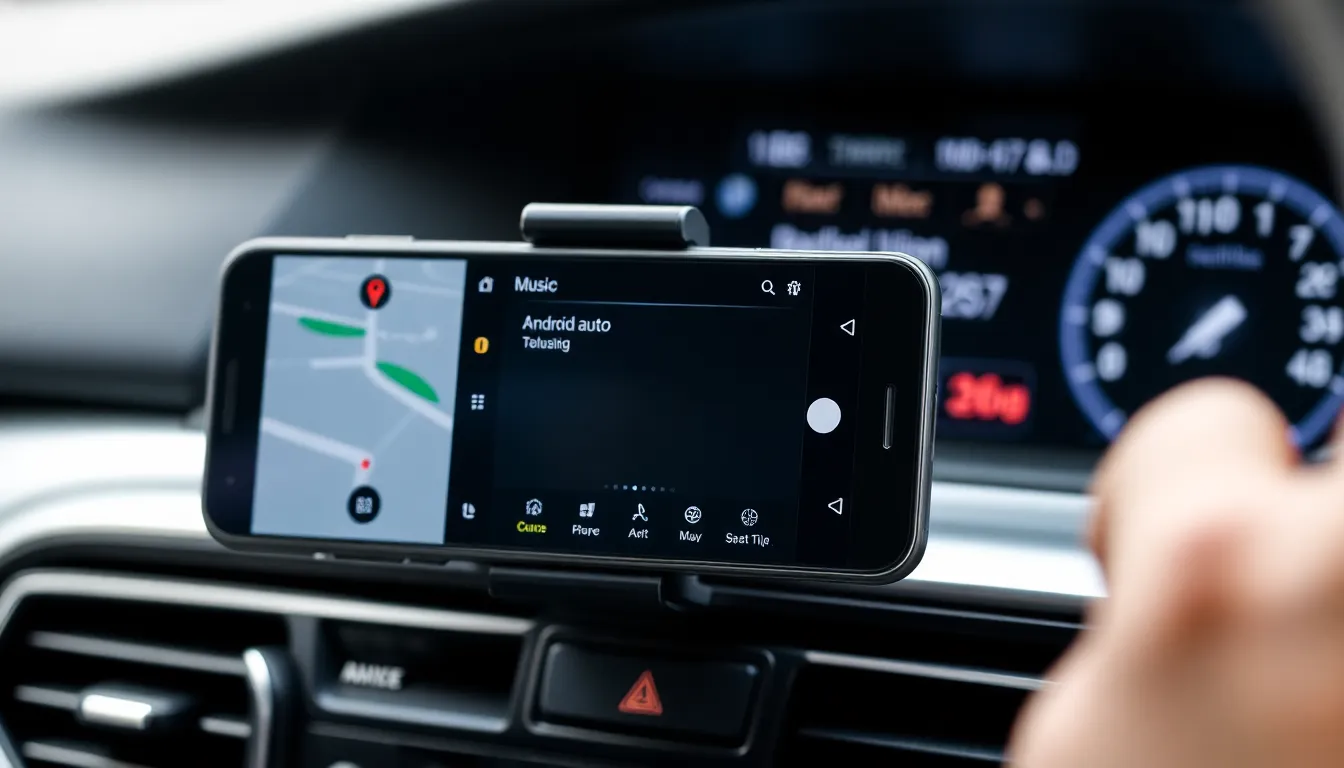
Google Rolls Out Android Auto Fixes for Pixel and Galaxy Connection Issues
Google has confirmed that fixes are now available for Android Auto connection problems affecting users of recent Google Pixel and Samsung Galaxy smartphones. The issues, which have been frustrating drivers who rely on the in-car system for navigation, media, and communication, involve both wireless and USB connectivity failures.
Widespread Connectivity Problems
Over recent weeks, numerous users of newer Pixel and Galaxy models reported persistent problems with Android Auto. The most common complaints centered on the system failing to connect to vehicle head units, either wirelessly or via USB cable. Some users experienced intermittent connections that would drop during use, while others couldn't establish any connection at all.
The problems appeared to affect multiple vehicle makes and models, suggesting the issue originated from the Android Auto software or smartphone compatibility rather than specific car systems. This widespread nature of the reports indicated a systemic problem requiring attention from Google's development team.
Google's Response and Fix Implementation
Google has acknowledged the connectivity issues and confirmed that fixes are now rolling out to affected devices. The company has addressed the problems through updates to both the Android Auto application and underlying system components. Users should receive these fixes automatically through standard update channels.
The resolution involves multiple layers of the Android ecosystem. For wireless connectivity problems, updates to both the Android Auto app and system-level Bluetooth and Wi-Fi components have been deployed. For USB connection failures, fixes address compatibility issues between newer smartphone hardware and various vehicle USB implementations.
User Recommendations and Troubleshooting
While the fixes are rolling out automatically, users experiencing persistent problems can take several steps to ensure they receive the updates promptly. Checking for Android Auto app updates in the Google Play Store and ensuring the smartphone's operating system is up to date are recommended first steps.
For those still experiencing issues after updates, standard troubleshooting steps include restarting both the smartphone and vehicle infotainment system, trying different USB cables (for wired connections), and ensuring proper Bluetooth pairing procedures are followed for wireless setups. Clearing the Android Auto app cache and data can also resolve lingering compatibility issues.
Ongoing Support and Future Prevention
Google's rapid response to these connectivity problems demonstrates the company's commitment to maintaining Android Auto's reliability as a core automotive integration platform. With increasing numbers of vehicles supporting Android Auto and more users depending on it daily, such widespread issues have significant impact on the driving experience.
The company has implemented additional testing protocols to prevent similar compatibility problems in future updates. As Android Auto continues to evolve with new features and expanded vehicle support, maintaining backward compatibility with existing hardware remains a priority for Google's development teams.
Conclusion
The Android Auto connectivity fixes now rolling out to Pixel and Galaxy users represent a significant step toward restoring reliable in-car smartphone integration. While the temporary disruption highlighted the dependency many drivers have developed on these systems, Google's prompt acknowledgment and resolution of the issues demonstrate the platform's ongoing support and development commitment.
Users who have been struggling with Android Auto connections should now see improved reliability as the updates propagate through the ecosystem. As always with technology integrations, maintaining current software versions on both smartphones and vehicles remains crucial for optimal performance of Android Auto and similar connected car systems.