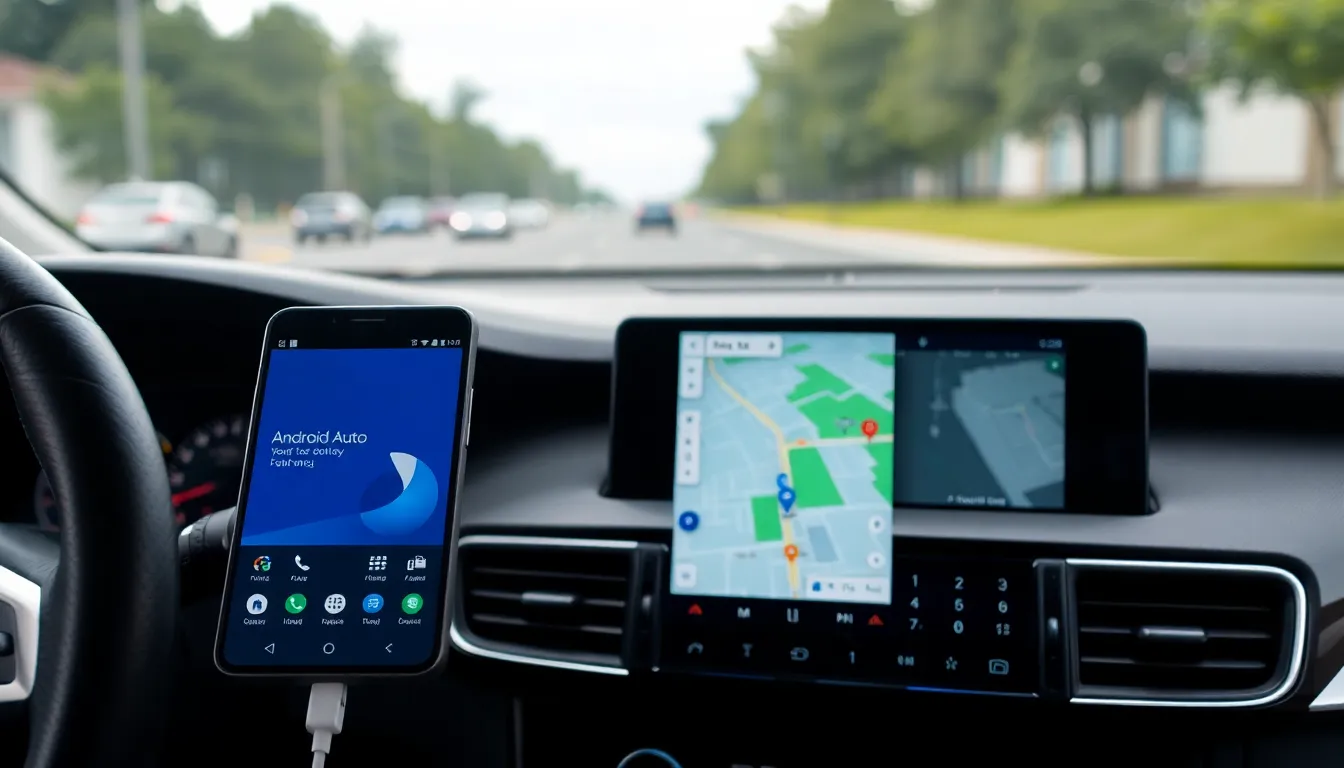
Google Rolls Out Android Auto Fixes Following User Complaints
Google has officially acknowledged ongoing connectivity issues with Android Auto and confirmed that fixes are now being deployed to address the problems. This response comes after a significant increase in user complaints, particularly from owners of Pixel and Samsung smartphones who have experienced difficulties connecting their devices to vehicle infotainment systems.
Widespread Connectivity Problems
Over recent weeks, numerous Android Auto users have reported persistent connection failures when attempting to link their smartphones to compatible car systems. The issues have manifested as failed initial connections, frequent disconnections during use, or complete inability to establish a stable link between phone and vehicle.
The problems appear to have affected a broad range of users, though reports suggest Pixel device owners and Samsung smartphone users have been particularly impacted. Many users took to online forums and support channels to document their experiences, describing frustration with what has become an essential feature for modern driving experiences.
Google's Response and Fix Deployment
In response to the growing number of complaints, Google has confirmed awareness of the Android Auto connectivity issues. A company representative stated that fixes are currently rolling out to address the problems, though the exact timeline for complete resolution across all affected devices remains unspecified.
Interestingly, the root cause of the widespread connectivity problems has not been publicly identified. Google has not detailed whether the issues stem from recent Android updates, changes to Android Auto itself, compatibility problems with specific vehicle manufacturers' systems, or a combination of factors.
User Impact and Workarounds
The connectivity problems have disrupted what many drivers consider essential functionality. Android Auto provides not only navigation assistance through Google Maps but also access to music streaming services, messaging apps, and voice commands—all designed to minimize distraction while driving.
While waiting for the official fixes to reach their devices, some users have reported temporary success with various troubleshooting methods. These include clearing the Android Auto app cache and data, updating both the Android Auto app and vehicle infotainment software, trying different USB cables, and restarting both phone and vehicle systems. However, these workarounds have provided inconsistent results across different device and vehicle combinations.
Conclusion
Google's confirmation of Android Auto fixes in response to user complaints represents a direct acknowledgment of significant functionality issues affecting many drivers. While the deployment of solutions is underway, the lack of clarity around the root cause leaves questions about whether similar problems might recur in the future.
As the fixes continue to roll out, affected users are advised to ensure their Android Auto apps and device operating systems are updated to the latest versions. The situation highlights the challenges of maintaining seamless connectivity across diverse hardware combinations in the automotive technology ecosystem, where smartphones must interface reliably with various vehicle manufacturers' systems.