Google Pixel Watch 4 Hands-On: Design Refinements and Display Upgrades
Google's Pixel Watch 4 arrives as the company's latest attempt to dominate the premium Android smartwatch market. Building upon the foundation of its predecessor, this new model introduces several key improvements while retaining the distinctive aesthetic that has defined the series. Priced starting at $349 for the 41mm version, it aims to offer a compelling package for wearable enthusiasts.
Design and Build Quality
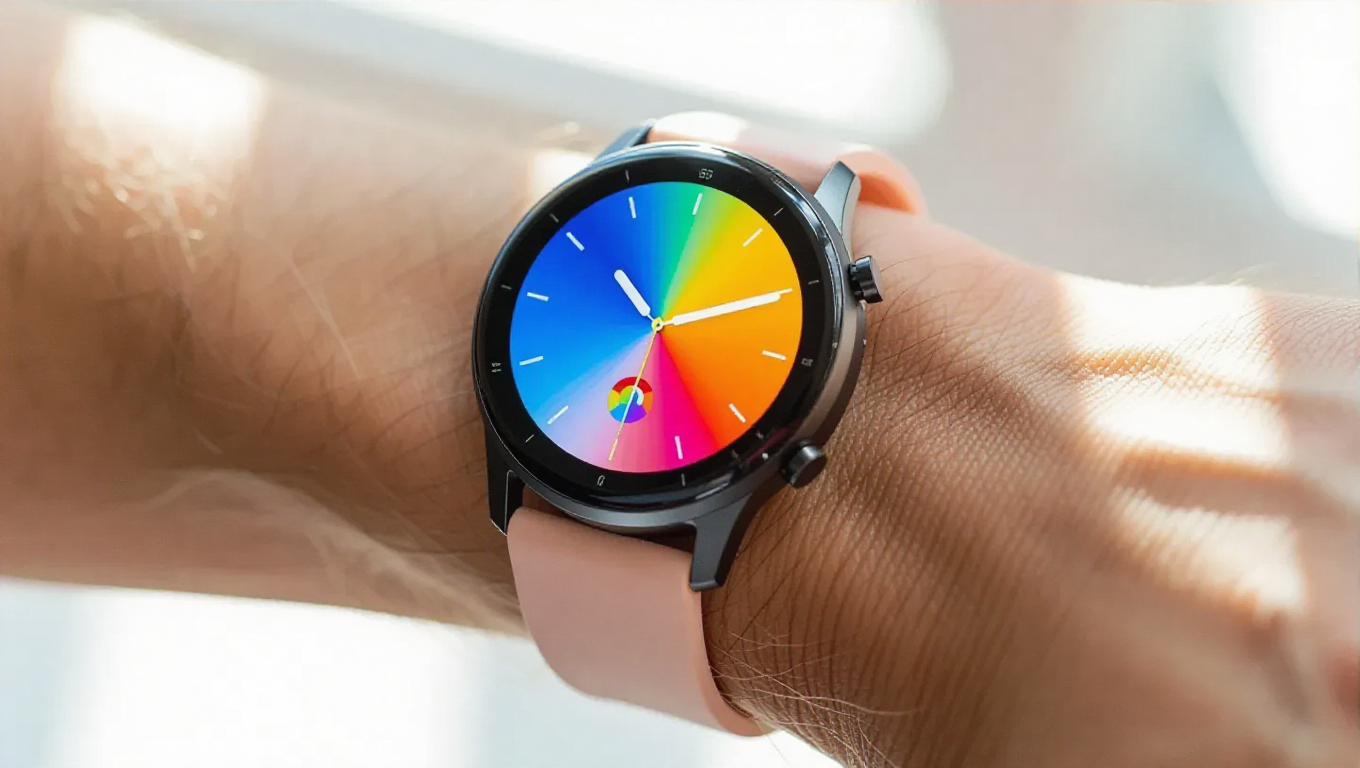
The Pixel Watch 4 features an identical design language to previous models, with its signature domed glass that gently crowns in the middle and wraps around the sides. Available in both 41mm and 45mm sizes, the watch maintains a svelte profile that sits comfortably on the wrist. The aluminum body comes in either polished or matte finishes depending on the color option.
While the overall build quality is excellent, some ergonomic concerns persist. The rotating crown and side button can be difficult to operate due to their small size and firm actuation. The proprietary strap attachment mechanism, while theoretically simple, proves frustrating in practice with its tiny release button. The included fluoroelastomer strap offers good quality, but third-party options remain limited compared to competitors using standard lugs.
The use of Corning Gorilla Glass 5 instead of sapphire crystal raises durability concerns, particularly given how much of the watch's exterior consists of exposed glass. This design choice makes the display vulnerable to scratches and impacts, requiring careful handling during daily wear.
Display Technology
The Pixel Watch 4 introduces what Google calls the Actua 360 display—a curved AMOLED LTPO panel that follows the contours of the domed glass. This represents one of the most significant upgrades from the previous generation, offering 10% more screen area despite identical watch dimensions. The display boasts 320 PPI density, DCI-P3 color coverage, and a peak brightness of 3000 nits, a substantial increase from the Pixel Watch 3's 2000 nits.
In practice, the curved display creates a unique visual experience where content appears to float within a glass bubble. The increased brightness makes the watch easily readable in direct sunlight, while colors remain vibrant without appearing oversaturated. The 1-60Hz refresh rate helps optimize battery life by dynamically adjusting based on content.
However, the curved design comes with a significant drawback: pronounced glare. The domed glass acts as a magnifying lens for ambient light sources, which can sometimes interfere with readability in bright environments. This trade-off between aesthetic appeal and practical usability represents one of the watch's more controversial design choices.
Performance and Features
Under the hood, the Pixel Watch 4 features an updated chipset that promises improved performance and efficiency. Early impressions suggest smoother operation throughout the Wear OS interface, particularly when navigating between apps and accessing fitness tracking features. The watch runs Google's latest Wear OS software with Material 3 Expressive design elements, offering a cohesive visual experience that aligns with other Pixel devices.
Battery life sees meaningful improvements over previous models, with the combination of the new chipset and LTPO display technology enabling longer usage between charges. Faster charging capabilities further reduce downtime, though exact charging speeds and battery endurance will require more extensive testing.
Fitness tracking receives notable enhancements, with more accurate sensors and expanded workout recognition. The integration with Google's ecosystem remains a key strength, offering seamless connectivity with Pixel phones and access to services like Google Assistant, Google Wallet, and Google Fit.
Conclusion
The Pixel Watch 4 represents an evolutionary step forward for Google's smartwatch lineup. The curved Actua 360 display offers a visually striking experience that sets the device apart from competitors, while performance improvements and better battery life address practical concerns from previous generations. However, the watch's ergonomic quirks—particularly the challenging strap mechanism and glare-prone display—may frustrate some users. For those invested in Google's ecosystem who value distinctive design over absolute practicality, the Pixel Watch 4 presents a compelling option in the crowded smartwatch market.