Google Pixel's Notification Summaries Outperform iPhone's Implementation
The introduction of notification summaries to Google Pixel devices represents a curious development in smartphone software evolution. This feature, which arrived in a recent Pixel feature update, mirrors a similar functionality that Apple introduced in iOS 18, though with notable technical improvements in Google's implementation.
Technical Superiority with Practical Questions
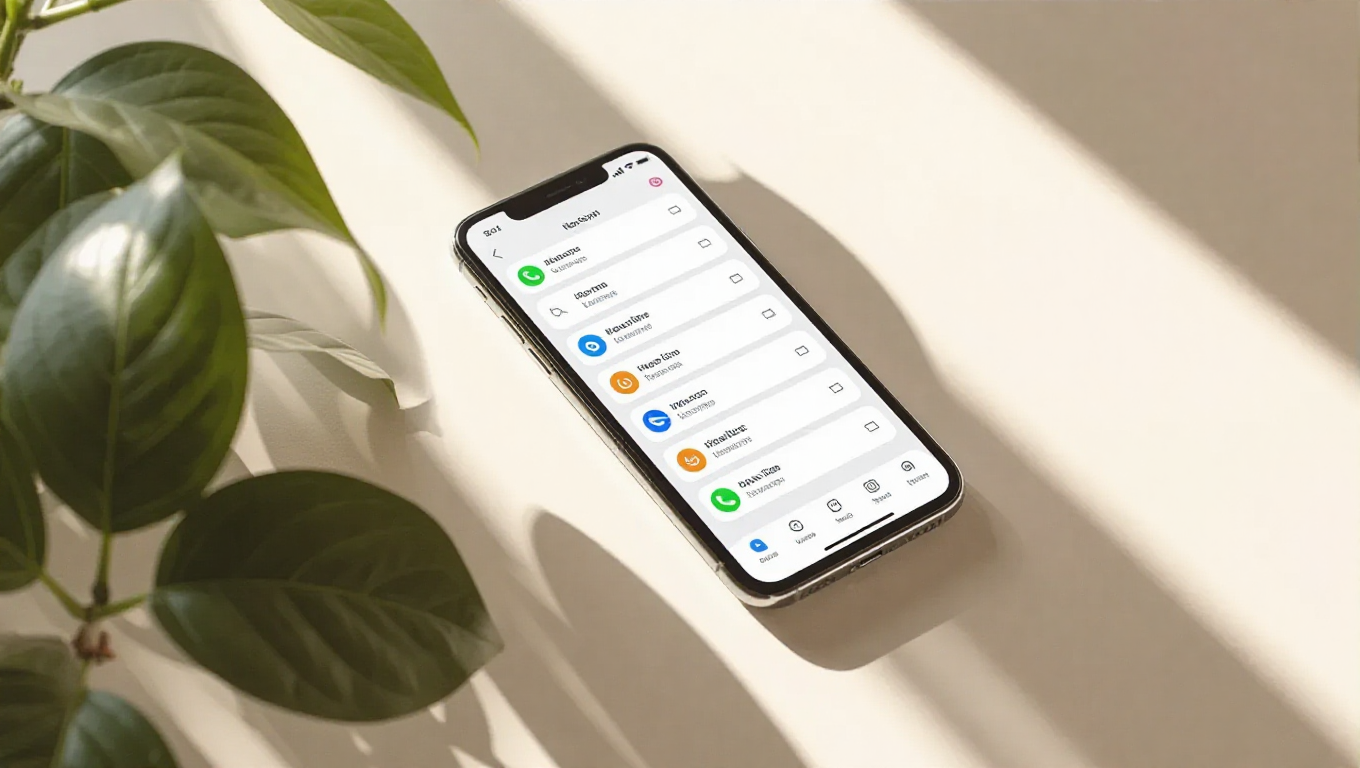
Google's approach to notification summaries demonstrates clear technical advantages over Apple's version. The Pixel implementation groups notifications more intelligently, organizes them in a more logical hierarchy, and presents them in a cleaner interface. Unlike Apple's attempt, which many found disruptive to established notification workflows, Google's version integrates more seamlessly with Android's existing notification system.
The feature appears designed to address notification overload, a problem that has become increasingly prevalent as users receive dozens of alerts daily from various apps. By bundling similar notifications and presenting them in summary form, Google aims to reduce the cognitive load on users while still ensuring important information isn't missed.
Android's Already Strong Foundation
What makes this feature particularly interesting is that it arrives on a platform already known for superior notification management. Android has long been praised for its comprehensive and customizable notification system, which allows users fine-grained control over how and when they receive alerts. This raises the question of whether notification summaries represent a solution to a problem that Android users weren't experiencing.
The implementation suggests Google is responding to market trends rather than user demand. With Apple introducing the feature in iOS 18, there appears to be competitive pressure to match functionality, even when the existing system may already be superior. This creates a scenario where technical excellence doesn't necessarily translate to user benefit.
User Adoption Uncertainties
Early experiences with the feature reveal a mixed reception. While the technical execution is solid, many users question whether they'll keep the feature enabled long-term. The summaries work as intended, grouping notifications from messaging apps, social media platforms, and other services into digestible bundles. However, Android's traditional notification system already provides efficient ways to manage this information flow.
The feature's value proposition becomes clearer for users who receive extremely high volumes of notifications or those who prefer to check their phones less frequently. For these users, the summary approach could provide genuine time-saving benefits. For average users, however, the improvement over Android's existing system may be marginal at best.
Future Development Potential
Despite questions about immediate utility, the foundation Google has built shows promise for future development. The underlying technology could evolve into more sophisticated notification management tools, potentially incorporating AI to prioritize notifications based on user behavior patterns or time-sensitive importance.
The current implementation serves as a technological demonstration of what's possible rather than a must-have feature. As machine learning capabilities improve, these summaries could become more personalized and context-aware, potentially transforming from a nice-to-have option into an essential productivity tool.
Conclusion
Google Pixel's notification summaries represent a case study in feature development where technical excellence doesn't automatically guarantee user adoption. While clearly superior to Apple's implementation in both design and functionality, the feature exists in an ecosystem where notification management was already a strength. The real test will be whether users find enough value in this additional layer of organization to make it a permanent part of their digital workflow, or whether it remains an impressive technical achievement that sees limited practical use.